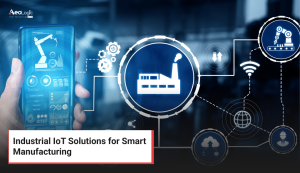
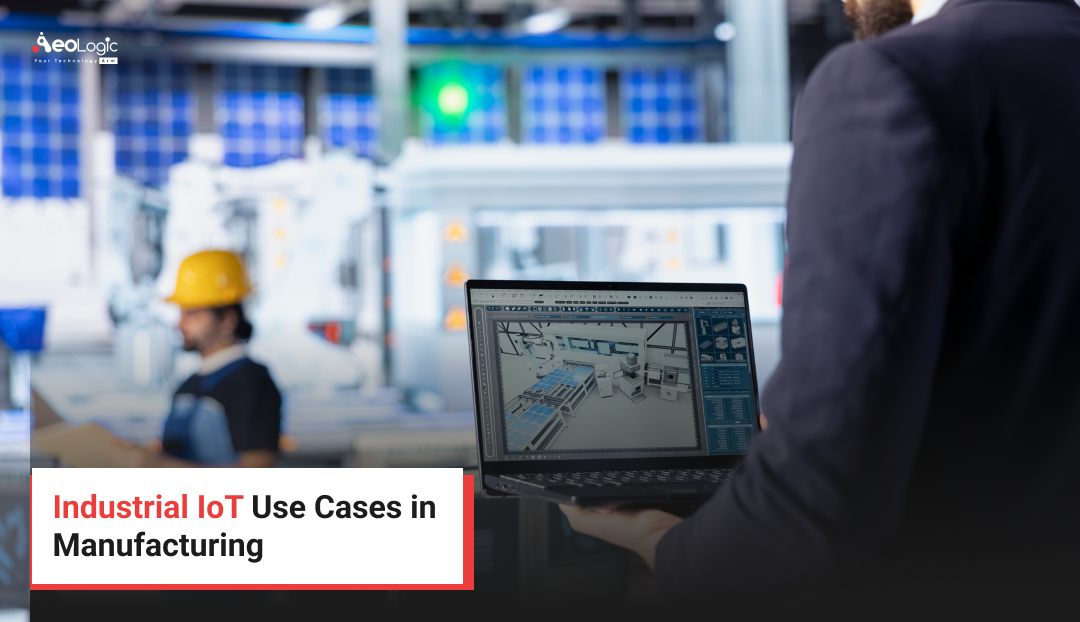
Industrial Internet of Things is transforming modern manufacturing by connecting machines, systems, and people through intelligent data exchange. In today’s digital-first landscape, Industrial IoT enables manufacturers to move beyond traditional automation and embrace data-driven operations. As factories evolve, businesses are leveraging connected devices to improve productivity, reduce downtime, and gain real-time operational insights.
This shift is not just about automation—it’s about building smart ecosystems where decisions are driven by data, efficiency is optimized continuously, and production processes become more agile and scalable.
What is Industrial IoT in Manufacturing?
Industrial IoT refers to the integration of sensors, machines, analytics, and software within industrial environments to collect, monitor, and analyze data in real time. In manufacturing, it enables equipment, production lines, and supply chains to communicate seamlessly, creating a connected infrastructure that enhances visibility and control. Unlike traditional automation, it combines connectivity with intelligence, allowing systems to learn, adapt, and optimize performance without constant human intervention.
Why Industrial IoT Matters for Modern Manufacturing
The adoption of Industrial IoT has become essential for manufacturers aiming to remain competitive in a rapidly evolving market. It directly impacts operational efficiency, cost management, and decision-making capabilities. Manufacturers are no longer relying solely on historical data; instead, they use real-time insights to predict issues, improve quality, and streamline production workflows.
Organizations implementing connected technologies often experience improved asset utilization, reduced downtime, and enhanced product consistency. Additionally, it supports sustainability initiatives by optimizing energy consumption and reducing waste across production processes.
 Core Components of Industrial IoT Ecosystems
A successful implementation relies on a combination of technologies and frameworks that work together to deliver value. These components form the foundation of a connected manufacturing environment.
Sensors and devices act as the primary data sources, collecting information such as temperature, pressure, vibration, and machine status. Connectivity layers ensure seamless communication between devices using protocols like MQTT, OPC-UA, or industrial Ethernet. Data processing platforms, often powered by edge or cloud computing, analyze incoming data in real time. Advanced analytics and AI models then transform this data into actionable insights, enabling predictive and automated decision-making. Finally, user interfaces and dashboards provide visibility, allowing stakeholders to monitor and control operations efficiently.
Key Industrial IoT Use Cases in Manufacturing
Industrial IoT is applied across various manufacturing functions to solve critical challenges and unlock new opportunities.
Predictive maintenance is one of the most impactful applications, where sensors monitor equipment health and identify potential failures before they occur. This reduces unexpected downtime and maintenance costs while extending asset life.
Smart production monitoring enables real-time tracking of production lines, allowing managers to identify bottlenecks and optimize throughput. With continuous data flow, manufacturers can ensure consistent performance and quickly respond to deviations.
Quality control and defect detection have improved significantly through connected systems that analyze production data and detect anomalies early. This ensures higher product quality and reduces rework or waste.
Supply chain optimization is another major use case, where connected systems provide end-to-end visibility of inventory, logistics, and supplier performance. This enables better planning and reduces delays.
Energy management solutions help manufacturers monitor and optimize energy consumption, leading to cost savings and improved sustainability.
Step-by-Step Strategy to Implement Industrial IoT
Step 1
Begins with defining clear business objectives. Organizations must identify specific problems they want to solve, such as reducing downtime or improving product quality.
Step 2
Involves assessing existing infrastructure and identifying gaps in connectivity, data collection, and system integration.
Step 3
Focuses on selecting the right devices, platforms, and technologies that align with operational requirements and scalability goals.
Step 4
Is about integrating systems and ensuring seamless communication between machines, software, and analytics platforms.
Step 5
Includes deploying analytics and AI models to convert raw data into actionable insights.
Step 6
Emphasizes continuous monitoring and optimization, ensuring that the system evolves with changing business needs.
Technologies Enabling Smart Manufacturing
Modern manufacturing relies on a combination of advanced technologies to enable connected operations. Edge computing allows data processing closer to machines, reducing latency and improving response times. Cloud platforms provide scalable storage and analytics capabilities. Artificial intelligence and machine learning enhance predictive capabilities and automate decision-making processes. Digital twins create virtual replicas of physical assets, enabling simulation and optimization. Cybersecurity frameworks ensure that connected systems remain protected against threats and vulnerabilities.
Challenges and Best Practices
Despite its benefits, implementing Industrial IoT comes with challenges that organizations must address carefully. Integration with legacy systems can be complex, requiring customized solutions and careful planning. Data security and privacy concerns must be managed through robust cybersecurity measures. High initial investment costs can also be a barrier, especially for small and medium-sized manufacturers.
To overcome these challenges, organizations should adopt a phased implementation approach, starting with pilot projects before scaling. Investing in employee training and change management ensures smooth adoption. Partnering with experienced technology providers can also accelerate deployment and reduce risks.
Future Trends in Industrial IoT
The future of Industrial IoT in manufacturing is driven by advancements in AI, 5G connectivity, and autonomous systems. Real-time analytics will become more powerful, enabling faster and more accurate decision-making. Smart factories will evolve into fully autonomous environments where machines can self-optimize and adapt to changing conditions. Sustainability will also play a major role, with connected systems helping organizations achieve energy efficiency and environmental goals.
Conclusion
Industrial IoT is no longer a futuristic concept but a practical necessity for manufacturers aiming to achieve efficiency, scalability, and competitive advantage. By connecting systems, leveraging real-time data, and enabling intelligent decision-making, organizations can transform their operations and unlock new growth opportunities.
Businesses looking to adopt these technologies should focus on strategic implementation and continuous optimization. Partnering with experts like Aeologic Technologies can help accelerate this transformation and ensure long-term success.
People Also Ask (FAQs)
Q1. What is Industrial IoT and how is it used in manufacturing?
Industrial IoT refers to the use of connected devices, sensors, and systems in industrial environments to collect and analyze data in real time. In manufacturing, it is used to monitor machines, optimize production processes, and improve decision-making. By connecting equipment and systems, manufacturers gain visibility into operations, allowing them to identify inefficiencies and predict potential issues before they occur.
Q2. What are the main benefits of Industrial IoT for manufacturers?
The primary benefits include improved operational efficiency, reduced downtime, enhanced product quality, and better decision-making. Manufacturers can monitor equipment performance in real time, optimize resource utilization, and reduce maintenance costs. Additionally, connected systems enable faster response to production issues, improving overall productivity and competitiveness.
Q3. How does Industrial IoT improve predictive maintenance?
Predictive maintenance uses data collected from sensors to monitor equipment health and identify potential failures before they happen. Instead of relying on scheduled maintenance, manufacturers can perform maintenance only when needed. This reduces downtime, lowers maintenance costs, and extends the lifespan of equipment.
Q4. What technologies are used in Industrial IoT systems?
Key technologies include sensors, connectivity protocols, cloud computing, edge computing, artificial intelligence, and data analytics platforms. These technologies work together to collect, process, and analyze data, enabling real-time insights and automated decision-making in manufacturing environments.
Q5. Is Industrial IoT expensive to implement?
The cost of implementation can vary depending on the scale and complexity of the project. While initial investment may be high, the long-term benefits such as reduced downtime, improved efficiency, and cost savings often outweigh the costs. Many organizations start with small pilot projects to demonstrate value before scaling.
Q6. What are the challenges of adopting Industrial IoT?
Common challenges include integrating with legacy systems, ensuring data security, managing large volumes of data, and addressing skill gaps within the workforce. Overcoming these challenges requires proper planning, investment in technology, and collaboration with experienced partners.