In today’s business world, which is based on data, companies are always looking for smarter ways to run their businesses more efficiently, cut costs, and improve operations. Maximizing Asset Tracking ROI is one of the most powerful but least used strategies. Asset tracking systems give you a clear view of your assets, whether they are manufacturing equipment, IT hardware, logistics fleets, or healthcare devices. This directly affects your profits and your ability to make decisions.
But just putting in place an asset tracking system isn’t enough. Many businesses don’t get the most out of it because they don’t have a good strategy, don’t integrate it well, or don’t use all the data they have. Companies need to make sure that technology, processes, and people are all working toward the same goal of maximizing returns. This blog talks about how companies can turn asset tracking from a cost center into a powerful way to make money.
What is Asset Tracking and How Does It Work?
Asset tracking is the use of technologies like RFID, GPS, barcodes, IoT sensors, and cloud-based software to keep an eye on physical assets. It lets businesses see real-time data on location, condition, usage, and lifecycle.
Asset tracking is basically putting tags or sensors on assets and then using readers or gateways to get data from them. After that, software platforms process the data to give you actionable insights, dashboards, and analytics.
Modern systems for tracking assets do more than just keep track of them. They provide predictive maintenance, automatic alerts, inventory optimization, and the ability to connect with business systems like ERP and supply chain platforms. This evolution plays a crucial role in improving Asset Tracking ROI, as it enables organizations to drive efficiency, reduce costs, and make data-driven decisions that enhance overall business performance.
Why Asset Tracking ROI Matters for Businesses?
Getting the most out of Asset Management ROI isn’t just about saving money; it’s also about finding ways to add strategic value to the whole company. Companies that get the most out of their asset tracking investments have an edge over their competitors because they are more efficient, waste less, and make better decisions.
When asset tracking is done right, companies can lose fewer assets, avoid downtime, and make better use of their assets. This makes people work harder and costs less to run a business. Also, being able to see things in real time helps businesses deal with problems quickly, which makes customers happier and improves service.
From a financial point of view, a high return on investment (ROI) means that investments in technology lead to clear business results. It makes capital spending worth it and helps the business grow over time. In fields like manufacturing, logistics, and healthcare, where assets are very important, the effect on ROI can be huge.
Core Pillars of Maximizing Asset Management ROI Asset Management ROI
Strategic Alignment with Business Goals
To get the most out of asset tracking programs and improve Asset Tracking ROI, they need to fit in with the company’s overall goals. The system should be set up to deliver measurable results, whether the objective is to reduce downtime, enhance inventory accuracy, or strengthen compliance.
Before putting something into action, businesses should set clear KPIs. These could be things like the percentage of assets used, the cost of maintenance, the amount of loss reduction, or the improvement of operational efficiency. If you don’t have clear goals, it can be hard to see how well you’re doing or improve your performance.
Technology Selection and Scalability
It’s very important to pick the right technology. Businesses need to decide which type of technology—RFID, GPS, IoT, or barcodes—works best for their needs. Scalability is just as important because systems should be able to handle future growth and changing needs.
A flexible and scalable platform lets businesses add more tracking features without having to spend a lot of money. This has a direct effect on long-term ROI.
Data Utilization and Analytics
Data is what makes asset tracking work. But a lot of businesses don’t use it well. Advanced analytics can turn raw data into useful information that can be used for things like predictive maintenance, demand forecasting, and process optimization.
The better the data is used, the more money it will make.
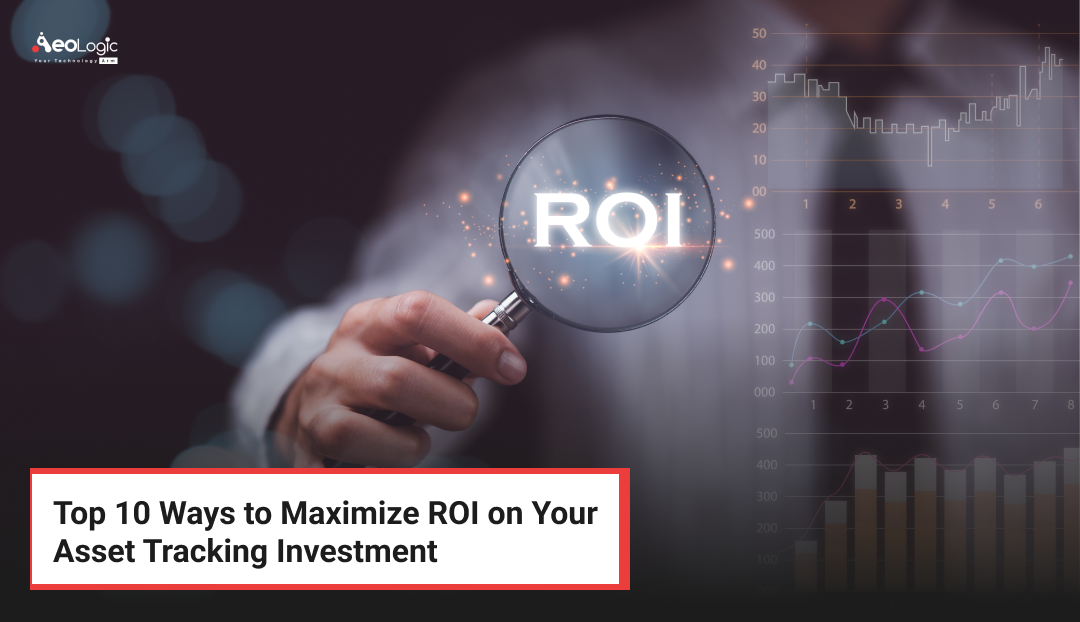
 Top 10 Ways to Maximize ROI on Asset Tracking Investment
Step 1: Define Clear Objectives and KPIs
The first step in maximizing Asset Tracking ROI is setting clear objectives. Businesses must identify what they want to achieve with asset tracking. This could include reducing asset loss, improving utilization, or enhancing operational efficiency.
After setting goals, businesses should set measurable KPIs. These metrics help you keep track of how well you’re doing and find ways to make things better. Even the most advanced systems might not be useful if they don’t have clear goals.
Step 2: Choose the Right Tracking Technology
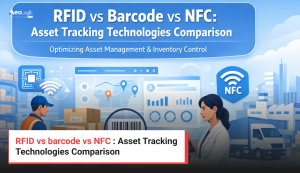
Choosing the right technology is very important for success. RFID is great for places with a lot of things, GPS is great for keeping track of fleets, and IoT sensors are great for keeping an eye on the condition of assets.
The choice should be based on the needs of the business, the environment, and the budget. A mismatch between technology and use case can significantly reduce ROI.
Step 3: Integrate with Existing Enterprise Systems
For getting the most value, it’s important to connect with ERP, supply chain, and maintenance systems. When asset tracking data moves smoothly between systems, it makes it easier to make decisions and automate tasks.
Integrated systems get rid of data silos and make operations run more smoothly. This makes things go faster, makes fewer mistakes, and boosts productivity.
Step 4: Focus on Real-Time Visibility
Real-time tracking gives you instant information about where your assets are and what condition they’re in. This level of visibility helps companies deal with problems quickly, cut down on downtime, and make the best use of their resources.
Real-time data also makes operations more accountable and open. This is especially important in fields where moving assets around is common and complicated.
Step 5: Implement Predictive Maintenance
Predictive maintenance uses data analysis to find problems before they happen. Businesses can plan maintenance ahead of time by keeping an eye on the condition of their assets.
This reduces unexpected downtime, extends asset lifespan, and lowers maintenance costs. Predictive maintenance is one of the most effective ways to improve ROI.
Step 6: Optimize Asset Utilization
A lot of businesses don’t use their resources as much as they could because they can’t see them. Asset tracking helps find assets that are sitting around or not being used enough, which makes it easier to allocate them.
Businesses maximize Asset Tracking ROI by ensuring assets are utilized to their fullest potential, which also reduces the need for additional asset purchases.
Step 7: Enhance Employee Training and Adoption
People are the ones who make technology work. Employees will know how to use the system and understand data if they get the right training.
Higher adoption rates result in more accurate data and better results. To get people involved, businesses should put money into training programs and easy-to-use interfaces.
Step 8: Automate Processes and Workflows
Automation is the best way to get the most done. Asset tracking systems can do things like update inventory, plan maintenance, and send alerts automatically.
Automation makes things easier, cuts down on mistakes, and makes things more consistent. This directly leads to a higher return on investment.
Step 9: Continuously Monitor and Optimize Performance
You can’t just set up asset tracking once. Businesses need to keep an eye on how well they’re doing and make changes when necessary.
Regular audits, data analysis, and system updates help find problems and make processes better. Continuous improvement makes sure that ROI stays high.
Step 10: Leverage Advanced Analytics and AI
Advanced analytics and AI can help you get more information from asset tracking data. These tools make it possible to do predictive modeling, trend analysis, and decision support.
Businesses can use AI to make their operations more efficient, cut costs, and make better plans for the future. This is what asset tracking will look like in the future.
Key Benefits of Maximizing Asset Tracking ROI
Companies that make the most of their asset tracking investments see big benefits. These include better decision-making, lower costs, better visibility, and more efficient operations.
Another big benefit is that assets last longer. Businesses can save money on replacements and make their assets last longer by keeping an eye on how they are used and cared for. Additionally, improved compliance and audit readiness contribute to risk reduction.
Ultimately, maximizing returns leads to higher profitability and competitive advantage.
Real-World Use Cases and Examples
In manufacturing, Asset Tracking ROI improves significantly as asset tracking helps keep an eye on how well equipment is working and cuts down on downtime. For instance, a factory that uses IoT-enabled tracking can predict when machines are likely to fail and schedule maintenance in advance, ensuring smoother operations and reduced unexpected disruptions.
Companies in logistics use GPS tracking to keep an eye on their fleets and find the best routes. This lowers the cost of fuel and makes deliveries faster.
RFID is used by healthcare organizations to keep track of medical equipment, making sure it is always available and cutting down on loss. This makes patient care better and the business run more smoothly.
Retailers use asset tracking to keep track of their stock and keep it from getting smaller. Real-time visibility helps keep the right amount of stock on hand and makes customers happier.
Technologies and Tools Involved in Maximizing Asset Tracking ROI
A mix of technologies is used in modern asset tracking systems. RFID lets you quickly and accurately identify things, and GPS lets you keep track of mobile assets’ locations.
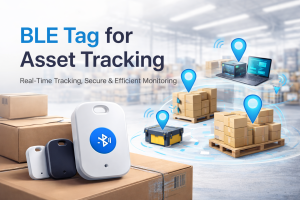
IoT sensors are very important for keeping an eye on things like temperature, humidity, and vibration. Cloud platforms keep and process data, giving you access to it and analytics in real time.
Software solutions bring these technologies together and provide dashboards, reporting, and automation features. The tools you choose depend on what your business needs and what the industry needs.
Common Challenges and Mistakes to Avoid
Not having clear goals is one of the most common problems. Without well-defined objectives, businesses struggle to measure Asset Tracking ROI effectively and face challenges in optimizing performance and achieving meaningful returns.
Another problem is that it doesn’t work well with other systems. Data silos make it harder to see what’s going on and make asset tracking less useful.
Companies also make the mistake of not taking training needs seriously. When people don’t use something, the data is wrong and the results are bad.
Businesses should focus on strategic planning, integration, and getting users to engage in order to get past these problems.
Best Practices for Success to Improve Asset Tracking ROI
Setting clear goals, picking the right technology, and making sure everything works together are all best practices for asset tracking projects that work.
It’s also important to check in on things regularly and make improvements. Companies should look at data, find patterns, and keep making things better.
Working together with IT, operations, and management teams makes sure that everything is in line and works well.
Future Trends in Asset Tracking
AI, IoT, and cloud computing are making asset tracking better in the future. These technologies make systems smarter and more efficient, which directly improves Asset Tracking ROI by enhancing visibility, automation, and data-driven decision-making.
Digital twins are becoming a powerful tool that lets businesses make virtual models of their assets and test out different situations. This makes it easier to make decisions and improve things.
Blockchain technology is also becoming more popular because it lets people track assets in a safe and open way. As technology gets better, tracking assets will get smarter and work better with other systems.
Conclusion
Maximizing Asset Tracking ROI requires a strategic approach that combines technology, processes, and people. Businesses can get a lot of value out of their investments by setting clear goals, picking the right tools, and using data effectively. Continuously improving and using new technologies will help you get more out of your investments and make sure your business stays successful in the long term.
Companies that want to grow in a way that lasts and run their businesses well need to see asset tracking as a strategic initiative instead of just a tool. With the right approach and help from experts like Aeologic Technologies, businesses can turn asset tracking into a powerful tool for improving efficiency, innovation, and profits.
People Also Ask (FAQs)
Q1. What is Asset Tracking ROI and how is it calculated?
Asset Management ROI is the money you make from using asset tracking systems compared to the money you spend on them. To figure it out, you compare the total investment to the benefits, which include lower costs, higher efficiency, and higher productivity. Companies usually think about things like lower maintenance costs, less asset loss, and better use of resources. If the ROI is positive, the system is giving you value. If the ROI is negative, you need to make improvements. To get the right answer, you need clear KPIs and regular data analysis.
Q2. How can businesses improve asset utilization with tracking systems?
Asset tracking systems let you see where your assets are and how they are being used in real time. This helps companies find assets that aren’t being used enough and move them to where they are needed. Organizations can make better use of their assets and cut down on unnecessary purchases by looking at how they are used. Improved utilization leads to better resource management and cost savings. Additionally, tracking systems enable proactive maintenance, ensuring assets remain operational and productive.
Q3. What technologies are best for asset tracking?
The technology you choose depends on what your business needs. RFID is great for places with a lot of people, and GPS is great for keeping track of moving things like cars. IoT sensors are used to keep an eye on the condition of assets and give useful information for maintenance and improvement. For basic tracking needs, barcode systems are a cheap way to go. Companies should look at what they need and pick technologies that fit with their goals and the way they work.
Q4. What are the common challenges in asset tracking implementation?
A lack of clear goals, bad integration with current systems, and low user adoption are all common problems. Another important issue is data accuracy, since bad data can lead to bad decisions. If the system isn’t built to grow, organizations may also have trouble scaling. To deal with these problems, you need to plan ahead, get the right training, and keep an eye on things all the time.
Q5. How does asset tracking improve operational efficiency?
Asset tracking makes things run more smoothly by giving you real-time visibility and automating tasks. Companies can keep an eye on the movement of their assets, cut down on downtime, and make their workflows more efficient. Automated tasks like updating inventory and scheduling maintenance cut down on mistakes and the need for people to do them. This makes things run faster, boosts productivity, and makes better use of resources. Better visibility also makes it easier to make decisions and solve problems quickly.
Q6. Is asset tracking suitable for small businesses?
Yes, tracking assets is good for businesses of all sizes. Barcode systems are an affordable way for small businesses to keep track of their assets and make their operations more efficient. They can move up to more advanced technologies like RFID or IoT as the business grows. Asset tracking helps small businesses save money, make things more accurate, and grow their businesses in the right way.