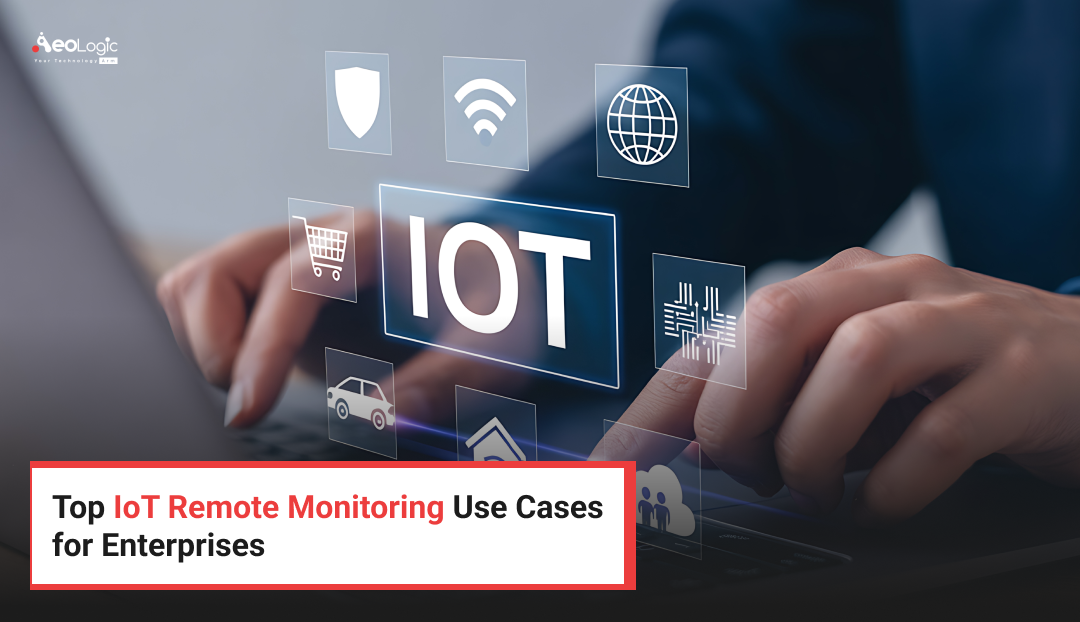
Businesses are quickly moving toward smarter, data-driven operations in 2026, and IoT Remote Monitoring is a key part of this change. Companies in all fields are using connected devices, real-time analytics, and cloud platforms to keep an eye on their assets, processes, and environments from anywhere in the world. This change isn’t just about making things easier; it’s also about getting better at running a business, lowering costs, making things safer, and making it possible to make decisions based on predictions at scale.
Businesses are no longer relying on manual inspections or reporting systems that take too long as digital transformation speeds up. Instead, they are using smart monitoring ecosystems that give them real-time information and alerts before problems happen. This change is especially important in fields where downtime, inefficiency, or safety risks can cost a lot of money or hurt a company’s reputation.
What is IoT Remote Monitoring?
IoT-based remote monitoring is the use of Internet of Things (IoT) devices, sensors, and connectivity solutions to keep an eye on, study, and control assets or environments from a distance. These systems gather data in real time and send it to centralized platforms where it is processed and displayed for people who need to make decisions.
This method combines hardware like sensors and gateways with software platforms, cloud computing, and analytics tools at its core. The end result is a single system that lets businesses see performance metrics, find problems, and automate responses without having to do anything themselves.
In business settings, this ability goes beyond just keeping track of things. It lets you do predictive maintenance, automated workflows, compliance monitoring, and strategic planning based on data streams that never stop.
Why IoT-based remote monitoring Matters for Enterprises?
Businesses today work in very competitive and complicated environments where being efficient, flexible, and visible are very important. IoT Remote Monitoring meets these needs by making it easier to see what’s going on in operations that were hard to keep track of before.
One of the main reasons this technology is important is that it can help businesses be more certain about how things will work. Companies can now keep an eye on the health of their equipment, the state of the environment, and the performance of their systems all the time.
Also, rules and safety standards are getting stricter in all industries. Remote monitoring solutions help businesses stay in compliance by constantly tracking important parameters and making reports that are ready for an audit. This lowers risk and also builds trust with stakeholders.
Another important aspect is scalability. As enterprises grow, managing distributed assets becomes increasingly challenging. IoT-based monitoring systems provide centralized control, enabling organizations to scale operations without proportional increases in manpower or costs.
Core Components of IoT Remote Monitoring Systems
A strong monitoring ecosystem is made up of many parts that are linked together and work well together. Sensors are the most important part because they collect data like temperature, pressure, vibration, or location. These devices are made to work in a wide range of settings, from factories to hospitals.
The next important layer is connectivity, which lets sensors send data to centralized systems. 5G, LPWAN, Wi-Fi, and satellite communication are some of the technologies that make sure data flows smoothly even in hard-to-reach or hard-to-reach places.
Cloud platforms or edge computing systems take care of processing and storing data. These platforms look at incoming data in real time, find patterns, and send alerts when something unusual happens. Advanced analytics, such as AI and machine learning, add even more power to the system by letting it make predictions.
Dashboards and user interfaces are visualization tools that make it easy for decision-makers to understand data. These interfaces are meant to give you useful information that will help you make quick and smart choices.
Another important part is security, which keeps data safe from hackers and other people who shouldn’t have access to it. Businesses need to use strong encryption, authentication, and access control systems to protect their monitoring systems.
 Key IoT Remote Monitoring Use Cases for Enterprises in 2026
Smart Manufacturing and Predictive Maintenance
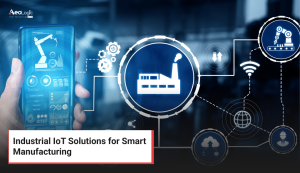
IoT-based remote monitoring is most useful for the manufacturing industry. Sensors are built into machines in modern factories to keep track of things like temperature, vibration, and energy use. This information is looked at in real time to find possible problems before they happen.
Manufacturers now use predictive maintenance to take care of their machines in a whole new way. Organizations can now predict when a machine is likely to fail and take steps to stop it from happening, instead of waiting for scheduled maintenance or reacting to breakdowns. This cuts down on downtime, makes equipment last longer, and lowers maintenance costs.
Energy and Utilities Management
IoT-based remote monitoring is helping energy companies better manage the generation, distribution, and use of power. Sensors in power plants, grids, and substations give real-time information about how much energy is flowing, how well equipment is working, and what the weather is like.
Utilities can find problems, avoid outages, and make the best use of energy distribution with this information. Smart grids, for instance, use real-time monitoring to automatically adjust the balance between supply and demand.
Solar and wind farms, which are examples of renewable energy systems, also benefit a lot. Operators can check performance from afar, find areas where things aren’t working as well as they could, and make sure that energy production is at its best.
Healthcare and Remote Patient Monitoring
IoT-based remote monitoring has changed how patients are cared for in the healthcare field by allowing vital signs and health conditions to be tracked all the time. Wearable devices and medical equipment that are connected to the internet send real-time data to healthcare providers. This data includes things like heart rate, blood pressure, and oxygen levels.
This method lets doctors keep an eye on patients from a distance, which means patients don’t have to go to the hospital as often and doctors can step in early if something goes wrong. It is especially helpful for caring for the elderly and managing chronic diseases.
Hospitals also use remote monitoring systems to keep an eye on medical equipment, making sure it is available and in good shape. This improves operational efficiency and enhances patient outcomes.
Logistics and Supply Chain Visibility
With operations around the world and higher customer expectations, managing the supply chain has gotten harder. IoT Remote Monitoring gives organizations full visibility into the movement of goods, allowing them to keep an eye on shipments in real time.
Sensors on cargo can keep an eye on its location, temperature, humidity, and shock levels to make sure that the products are shipped in the best conditions. This is very important for fields like food and pharmaceuticals where safety and quality are very important.
Real-time tracking also helps businesses find the best routes, cut down on delays, and make customers happier by giving them accurate updates on their deliveries.
Smart Buildings and Facility Management
Businesses are using Smart remote monitoring to keep an eye on energy use, occupancy, and environmental conditions in buildings so they can run them more efficiently. Smart sensors keep an eye on things like temperature, lighting, and air quality. They can then make automatic changes to make things more comfortable and save energy.
Facility managers can keep an eye on several buildings from one central location. This lowers costs and makes better use of resources. This is especially useful for big companies that own a lot of real estate.
Remote monitoring also makes things safer by letting you watch and control access in real time, which keeps people and property safe.
Agriculture and Environmental Monitoring
The use of IoT Remote Monitoring is changing farming in a digital way. Farmers use sensors to keep an eye on the weather, soil moisture, and crop health, which helps them make decisions based on data.
This method increases crop yield, uses less water, and has less of an effect on the environment. Remote monitoring systems can also help find pests and diseases early, so that action can be taken right away.
Environmental monitoring apps are used for more than just farming. They can also be used to keep track of air quality, manage water resources, and prevent disasters. These systems are very important for protecting the environment and making sure it stays that way.
Oil, Gas, and Mining Operations
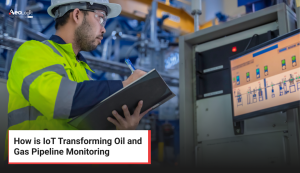
Industries like oil, gas, and mining work in tough and sometimes dangerous places. Companies can use Smart remote monitoring to keep an eye on equipment, pipelines, and the environment in real time, which keeps everyone safe and makes sure things run smoothly.
Technologies and Platforms Driving Smart remote monitoring
Modern monitoring systems rely on a composite of advanced technologies for their success, especially within IoT Remote Monitoring environments. Artificial intelligence and machine learning are powerful tools to analyze data and generate predictive insights. Cloud platforms provide scalability and storage capacity to handle large volumes of data easily. Connectivity technologies such as 5G and LPWAN provide robust communication over a wide variety of environments.
Digital twins are becoming a powerful tool which enable the creation of virtual representations of physical assets. Such models enable organizations to simulate scenarios, forecast results, and optimize operations.
Future Trends: The Evolution of IoT Remote Monitoring in 2026 and Beyond
Enterprise monitoring has a future as technology advances and business requirements change. Another big trend is the use of artificial intelligence, which allows systems to make decisions on their own and improve their performance without any human intervention.
Another major trend is the adoption of edge computing, enabling data processing closer to the source, cutting latency and improving responsiveness. This is particularly important for those applications that require in-time decision making.
Sustainability is also a driver of innovation, as organizations use monitoring systems to track and reduce their impact on the environment. IoT is playing a vital role in achieving sustainability goals, from energy efficiency to waste management.
The rise of digital twins and immersive technologies is further enhancing the capabilities of monitoring systems, enabling more accurate simulations and better decision-making.
Conclusion
In 2026, IoT Remote Monitoring will be a necessity, not a luxury, for businesses that want to stay competitive in a rapidly changing digital landscape. From manufacturing and healthcare to energy and logistics, it is revolutionizing how businesses operate, making smarter decisions, achieving greater efficiency and delivering better outcomes.
Organizations that adopt this technology can realize tremendous value by providing real-time insight, reducing risk, and better leveraging resources. With continued progress in AI, edge computing and connectivity, monitoring systems will only get more powerful.
Partnering with experienced technology providers is critical to successfully implement and scale these solutions. Enterprises are teaming up with companies such as Aeologic Technologies to build and deploy custom IoT ecosystems that align with their business objectives and long-term success.
People Also Ask (FAQs)
Q1. What is IoT Remote Monitoring and how does it work?
IoT-enabled monitoring systems is a system that uses connected devices and sensors to remotely monitor and control assets or environments. The data collected by the sensors is transmitted to cloud or edge platforms for analysis and visualization. This gives organizations real-time insights, predictive maintenance and automated responses to improve efficiency, reduce downtime and make informed decisions without physical presence.
Q2. What are the key benefits of IoT-based monitoring for enterprises?
Continuous monitoring enhances the operational efficiency, reduces downtime and increase safety for enterprises. Proactive decision-making with real-time data and predictive analytics prevents failures. You save money by increasing efficiency of resources and reducing maintenance costs. It also allows for scalability and helps in meeting industry compliance requirements.
Q3. Which industries use IoT monitoring solutions the most?
Adoption is being led by manufacturing, healthcare, energy, logistics, agriculture, oil and gas and other industries. For these industries, real-time data is critical to optimize operations, ensure safety, and increase productivity. Monitoring solutions have different uses in every industry, from equipment performance in factories to patient health in healthcare.
Q4. What technologies are required for implementing IoT monitoring systems?
To implement it needs sensors, connectivity solutions, cloud or edge computing platforms and analytics tools. Technologies such as artificial intelligence, machine learning and 5G connectivity are all adding more capabilities to the system. Security solutions are also important to protect data and to ensure safe operation.
Q5. How does IoT monitoring improve predictive maintenance?
Predictive maintenance uses real-time data and analytics to detect possible equipment breakdowns ahead of time. This means less downtime and longer life for equipment and lowers maintenance costs.
Q6. What are the challenges in adopting IoT monitoring solutions?
Challenges include data security risks, integration complexities, and managing large volumes of data. Organizations must invest in secure infrastructure, adopt standardized solutions, and implement effective data management strategies. Proper planning and execution are essential to overcome these challenges.

With a strong foundation in software and a growing expertise in AI, I specialize in building smart, scalable solutions that drive digital transformation