In today’s fast-paced, data-driven business world, being able to see your assets is essential for making smart decisions, keeping costs down, and running your business efficiently. More and more businesses in all kinds of fields are using smart tracking technologies to keep an eye on their equipment, inventory, and valuable assets in real time. Bluetooth Asset Tracking Tags stand out as a popular and affordable option among these technologies because they are flexible, easy to set up, and work with modern devices.
Businesses can find, track, and manage assets using Bluetooth-based tracking systems. These systems use wireless signals and are a simpler option than more complicated tracking technologies. These solutions are helping businesses cut down on losses, make better use of their resources, and speed up their workflows in places like warehouses, hospitals, retail stores, and factories. However, like any technology, they come with their own advantages and limitations that must be carefully evaluated before implementation.
This article provides a comprehensive, enterprise-focused analysis of Bluetooth tracking tags, covering their working principles, benefits, challenges, real-world applications, and future trends to help decision-makers make informed choices.
What Are Bluetooth Asset Tracking Tags?
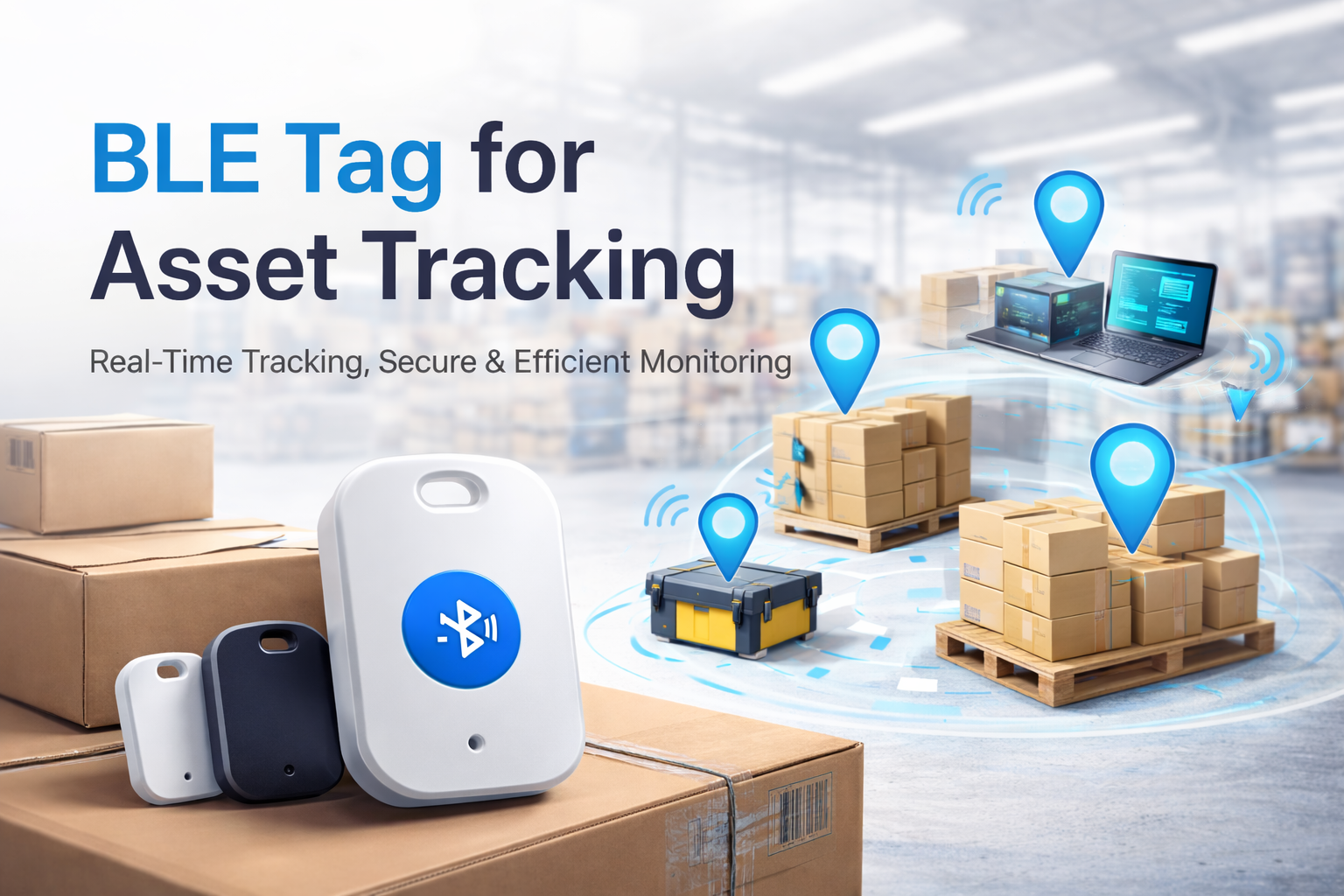
Bluetooth tracking tags are small, wireless devices that send signals to nearby receivers like smartphones, gateways, or IoT hubs using Bluetooth Low Energy (BLE) technology. Then, the signals are processed to find out where tagged assets are or how close they are to each other in a certain area.
People usually put these tags on things like tools, equipment, pallets, or even their own badges. The system sends out signals all the time that receivers set up around the building can pick up. Then, software platforms look at the data to give you real-time visibility, alerts, and insights.
Bluetooth tracking is not like GPS-based systems because it is mainly made for indoor spaces where satellite signals are not reliable. It offers a balance between accuracy, cost, and battery efficiency, making it suitable for a wide range of business use cases.
Why BLE asset tracking tags Matter for Modern Businesses?
In a time when operational efficiency has a direct effect on profits, being able to track and manage assets in real time is no longer a choice. Companies face challenges such as misplaced tools, underutilized resources, and limited operational visibility. This is where Bluetooth Asset Tracking Tags play a crucial role, enabling businesses to gain real-time insights and improve overall asset management efficiency.
These solutions help businesses keep track of their assets more easily, avoid mistakes, and learn useful information about how assets move and are used. Organizations can boost productivity, cut down on downtime, and make better use of their resources by making things more visible.
Also, industries like healthcare and logistics depend a lot on getting equipment and supplies on time. Delays or losses can have big effects on both your finances and your business. Bluetooth tracking systems provide a scalable and efficient way to address these challenges without requiring extensive infrastructure investments.
Core Components of BLE asset tracking tags
A Bluetooth Asset Tracking Tags system is made up of several parts that are linked together and work together to give you accurate and reliable visibility of your assets. To figure out how well a system works and how well it can grow, you need to know these parts.
Bluetooth Tags
These are the physical things that are connected to assets. They send out BLE signals every so often. Depending on how they are used, tags come in different sizes, battery lives, and durability. Some are made for tough industrial settings, while others are made to work best in light applications.
Receivers and Gateways
Receivers pick up signals from tags and send the information to a central system. These can be fixed gateways that are put up all over a building or mobile devices like smartphones and tablets. The accuracy of tracking is greatly affected by the number and placement of receivers.
Software Platform
The software layer handles incoming data, figures out where assets are, and shows information through reports and dashboards. Geofencing, alerts, analytics, and integration with business systems are some of the features that advanced platforms offer.
Connectivity and Network Infrastructure
Wi-Fi or cellular networks are often used by Bluetooth systems to send data from gateways to the cloud or on-premise servers. For real-time tracking and data consistency, a stable network is very important.
Pros of Bluetooth Asset Tracking Tags
Bluetooth tracking technology has a number of benefits that make it a good choice for businesses looking for asset management solutions that are both efficient and scalable.
One of the best things about it is that it doesn’t cost much. Bluetooth tags are cheaper and easier to use than other technologies like RFID or GPS. This makes them a good choice for businesses that want to use tracking solutions without spending a lot of money.
Another benefit is that they are easy to set up. You don’t need complicated infrastructure or special hardware to use Bluetooth. You can use existing devices like smartphones to implement many solutions, which cuts down on time and effort.
Another big plus is how well the battery works. BLE technology uses very little power, so tags can work for months or even years on a single battery. This lowers the costs of running and maintaining the system.
Bluetooth tracking is also flexible. You can use it in a lot of different places, like offices, warehouses, hospitals, and stores. Depending on how the system is set up, the technology can support both room-level location accuracy and proximity-based tracking.
Its value goes up even more because it can be integrated with other systems. You can connect modern Bluetooth tracking platforms to ERP, inventory management, and IoT systems.
Cons of Bluetooth Asset Tracking Tags
Bluetooth tracking technology has some drawbacks that businesses need to think about before using it, even though it has some benefits.
One of the biggest problems is that the range is limited. Bluetooth signals usually don’t reach as far as GPS or some RFID systems. This makes it less useful for tracking things over long distances or in large outdoor areas.
Accuracy can also be a problem. Bluetooth can give you accuracy at the room level, but to get accurate location tracking, you need to carefully place receivers and use advanced algorithms. Things like walls, interference, and signal reflections can affect performance.
When there are a lot of deployments, scalability can get complicated. As the number of tags and receivers grows, it may take more planning and resources to keep the system running smoothly and manage it.
Another thing to think about is safety. Bluetooth signals are wireless, so if they aren’t protected, they could be accessed by people who shouldn’t be able to. To keep private information safe, businesses need to use encryption and authentication.
Finally, depending on infrastructure can be a problem. To track things well, you need a network of receivers and a reliable connection. System performance may be affected in places where the network doesn’t work well.
 Step-by-Step Approach to Implementing Bluetooth Asset Tracking
Step 1: Define Business Objectives
Organizations should start by identifying their tracking requirements when implementing Bluetooth Asset Tracking Tags. This includes determining which assets need to be tracked, the desired level of accuracy, and the expected outcomes such as cost reduction or improved efficiency.
Step 2: Assess Infrastructure Requirements
Look at the network and the physical environment as they are now. This helps you decide where to put the receivers and make sure that the whole facility is covered.
Step 3: Select the Right Tags and Platform
Pick tags that are the right size, last a long time, and have a long battery life for the job they will be used for. The software platform should have features that meet the needs of the business, such as analytics and the ability to connect to other systems.
Step 4: Deploy and Configure the System
Install receivers, attach tags to assets, and configure the software platform. This step may involve calibration to optimize accuracy and performance.
Step 5: Integrate with Existing Systems
By connecting the tracking system to business apps like ERP or inventory management systems, you can make data flow and automation easier.
Step 6: Monitor and Optimize
Keep an eye on how well the system is working and make changes as needed. This includes moving the receiver to the best spot, updating the software, and looking at the data for useful information.
Real-World Use Cases of Bluetooth Tracking
Many businesses use Bluetooth Asset Tracking Tags technology to solve certain problems with their operations.
Hospitals use tracking systems to keep an eye on medical equipment like wheelchairs, infusion pumps, and diagnostic tools. This makes it easy to get to important tools quickly and cuts down on the time spent looking for them.
Companies keep track of pallets, containers, and tools in logistics and warehousing to make it easier to see their inventory and cut down on losses. Real-time tracking helps streamline operations and enhance supply chain efficiency.
Retail stores use Bluetooth tracking to keep an eye on their assets and make shopping better for customers. For instance, keeping an eye on shopping carts or the movement of inventory can help stores make better use of their space and avoid running out of stock.
Manufacturing units use tracking systems to keep an eye on tools and equipment on all of their production lines. This helps cut down on downtime, make better use of resources, and boost overall productivity.
Technologies and Tools Involved in Bluetooth Asset Tracking Tags
There are many technologies and tools that help Bluetooth tracking systems work better and do more things.
BLE technology is the basis for low-power communication between tags and receivers. IoT platforms give you the tools you need to collect, process, and analyze data.
Cloud computing is very important for storing and analyzing a lot of tracking data. It lets you access information from anywhere and lets you grow.
More and more, tracking platforms are using advanced analytics and AI to give users predictive insights. These features help businesses find patterns, improve their operations, and make decisions based on data.
Mobile apps are also a key part of this because they let users keep track of their assets, get alerts, and access dashboards while they’re on the go.
Challenges Faced with Bluetooth-Based Asset Tracking Systems
One of the biggest problems with Bluetooth-based tracking systems is getting the same level of accuracy in different places. Performance can be affected by signal interference from walls, machines, or electronic devices. This can cause asset location data to change and make the system less reliable.
Another challenge involves system scalability and maintenance. As the number of tracked assets increases, managing devices, monitoring battery life, and ensuring stable connectivity can become complex, requiring structured processes and continuous system monitoring for optimal performance.
Best Practices for Bluetooth Asset Tracking Tags Implementation
To get around these problems, organizations should start with good planning and site assessment. Carefully placing receivers, testing signals, and choosing the right hardware can greatly improve tracking accuracy and make sure that the system works the same way throughout the whole building.
Also, it’s important to have good maintenance and security practices in place. Regularly checking the battery, updating the software, and following secure data protocols help keep the system running smoothly, keep sensitive information safe, and make sure the tracking solution will work for a long time.
Future Trends in Bluetooth Asset Tracking
New developments in IoT, AI, and connectivity will shape the future of Bluetooth tracking technology.
One important trend is the use of AI-powered analytics in Bluetooth Asset Tracking Tags systems. This makes it possible to do predictive maintenance, make the most of assets, and make smart decisions.
Another trend is the use of hybrid tracking systems that use Bluetooth along with other technologies like RFID and GPS. This approach provides greater accuracy and flexibility across different environments.
The miniaturization of hardware is also pushing new ideas. Tags that are smaller and work better are making it possible to keep track of more kinds of assets, even those that are valuable or sensitive.
Sustainability is becoming a focus area, with the development of energy-efficient and recyclable tracking devices.
Conclusion
Bluetooth tracking technology has transformed the way organizations manage and monitor their assets, offering a practical balance between cost, efficiency, and scalability. While it comes with certain limitations such as range and accuracy constraints, its advantages make it a strong choice for many indoor and enterprise use cases. By carefully evaluating requirements and implementing best practices, businesses can maximize the value of Bluetooth Asset Tracking Tags and achieve improved visibility, productivity, and operational control.
For organizations looking to implement intelligent tracking solutions, partnering with an experienced RFID Solutions Company in India can help ensure successful deployment, seamless integration, and long-term scalability. Aeologic Technologies delivers customized RFID solutions designed to improve operational efficiency, asset visibility, and business growth.
People Also Ask (FAQs)
Q1. What are Bluetooth Asset Tracking Tags and how do they work?
Bluetooth tracking tags are wireless devices that send signals to nearby receivers using Bluetooth Low Energy technology. These receivers pick up the signals and send the information to a central system that figures out where the assets are. The system uses information about signal strength and how close things are to give you real-time visibility.
Q2. Are Bluetooth tracking systems accurate enough for enterprise use?
Bluetooth tracking systems can give room-level accuracy, which is good enough for many business uses. But the accuracy depends on things like where the receiver is, the weather, and how the system is set up. Advanced systems use algorithms and more than one receiver to make things more accurate. Bluetooth tracking isn’t as accurate as some high-end technologies, but it’s usually good enough for keeping track of assets and operations.
Q3. What industries benefit most from Bluetooth asset tracking?
Industries such as healthcare, logistics, retail, and manufacturing benefit significantly from Bluetooth tracking solutions. Hospitals use them to track medical equipment, warehouses monitor inventory movement, retailers optimize store operations, and manufacturers track tools and machinery.
Q4. How much does it cost to implement a Bluetooth tracking system?
The cost of setting up a Bluetooth tracking system depends on things like how many assets you have, what kind of infrastructure you need, and what the software can do. In general, Bluetooth solutions are less expensive than other tracking technologies. Companies can start with a small deployment and grow as needed, which makes it a good choice for businesses of all sizes.
Q5. What are the limitations of Bluetooth tracking technology?
Bluetooth tracking has some problems, like a short range, possible accuracy problems, and reliance on infrastructure. Environmental factors can affect signal strength, and achieving high precision may require additional hardware. Even with these problems, the technology is still a good choice for many indoor tracking uses.
Q6. Can Bluetooth tracking integrate with existing business systems?
Yes, modern Bluetooth tracking platforms can work with business systems like ERP, inventory management, and IoT platforms. This enables seamless data flow and enhances operational efficiency. Integration allows businesses to automate processes, generate insights, and improve decision-making based on real-time asset data.

Currently, as a Senior Manager of Technology, I oversee a dynamic team, ensuring the delivery of high-quality software solutions that meet the evolving needs of our clients. A seasoned technology leader with over a decade of experience in the software development industry, I have been instrumental in driving the end-to-end software development lifecycle since my career inception in 2011.