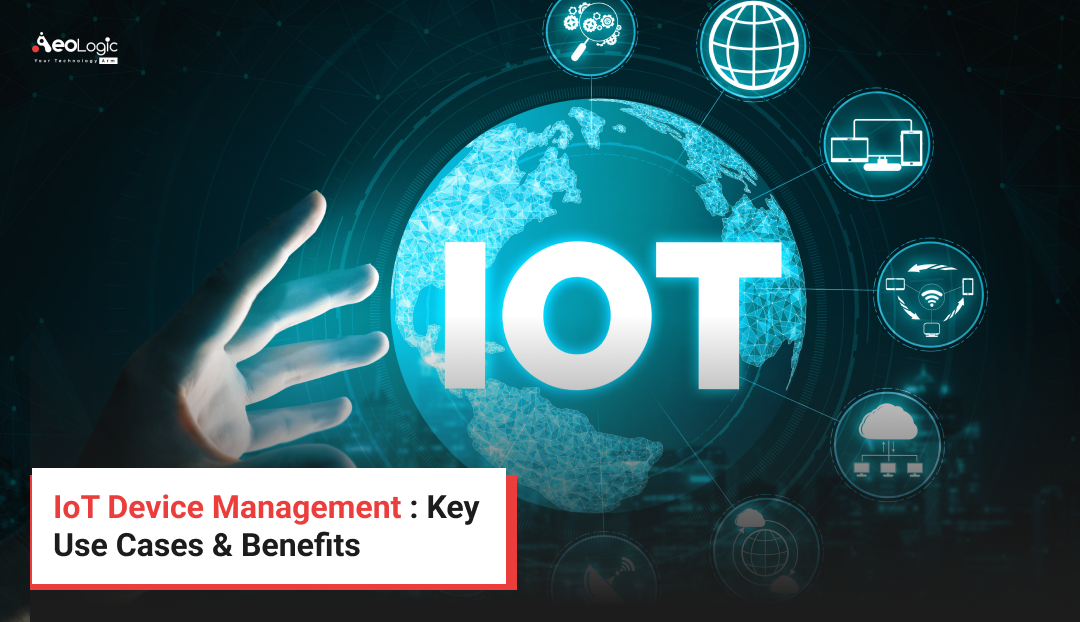
Managing connected devices effectively has become a top priority for contemporary businesses as they continue to proliferate across industries. IoT Device Management enables organizations to monitor, configure, secure, and maintain thousands or even millions of connected devices from a centralized platform. Businesses rely on connected devices to gather data and automate processes, from smart factories and connected cars to healthcare equipment and smart buildings. These devices can become expensive to maintain, hard to control, and susceptible to security risks if they are not properly managed.
Effective device fleet management guarantees scalable IoT deployments, security compliance, and operational dependability for businesses seeking digital transformation. Organizations can maximize performance and data value while keeping control over their IoT ecosystem with the aid of a well-structured device management strategy.
What is IoT Device Management?
IoT Device Management refers to the processes, platforms, and technologies used to register, configure, monitor, update, and secure connected devices throughout their lifecycle. These systems give businesses remote device control, firmware updates, health status monitoring, and network security without the need for human intervention.
Device management is fundamentally the foundation of any Internet of Things ecosystem. When businesses install sensors, gateways, RFID readers, or linked machines, every device needs to be set up, verified, and constantly watched over. Even when devices are deployed across geographically dispersed environments, a centralized platform guarantees that they remain secure, functional, and configured correctly.
Device provisioning, software updates, remote diagnostics, security patching, and lifecycle monitoring are also included in this concept. Organizations can react swiftly to malfunctions, irregularities, or security threats and obtain complete visibility into device performance with appropriate management.
Why IoT device monitoring Matters for Modern Businesses
The use of connected devices in business operations is quickly becoming essential. Logistics firms track assets in real time, manufacturing facilities use sensors to monitor equipment health, and healthcare institutions depend on linked medical devices to provide essential services.
When device fleets grow into thousands or millions of endpoints, manual management becomes impossible. IoT Device Management ensures devices operate reliably and securely across their entire lifecycle.
Organizations gain in a number of significant ways. First, IT teams can keep an eye on device performance, connectivity, and status from a single dashboard thanks to centralized visibility. Second, automated updates guarantee that gadgets stay safe and adhere to changing cybersecurity regulations. Third, remote troubleshooting reduces downtime and does away with expensive on-site maintenance.
These capabilities are crucial for maintaining data integrity and operational continuity in large-scale businesses.
 How Does IoT Device Management Work?
IoT device monitoring operates through a combination of device provisioning, communication protocols, cloud platforms, and security mechanisms. Together, these components allow organizations to manage connected devices throughout their lifecycle.
A device needs to be registered and authenticated in the management platform before it can be used. Once connected, the device continuously communicates with a central server or cloud system that monitors its status and performance.
Administrators can use the platform to remotely monitor device health, install software updates, and configure settings. When a problem arises, teams can quickly identify it and fix it without having physical access to the device thanks to alerts and diagnostic tools.
Administrators can use the platform to remotely monitor device health, install software updates, and configure settings. When a problem arises, teams can quickly identify it and fix it without having physical access to the device thanks to alerts and diagnostic tools.
Core Components of a Device Management Framework
A successful implementation requires a structured framework that integrates multiple technologies and operational practices. IoT Device Management platforms typically combine device provisioning systems, remote monitoring capabilities, data communication protocols, and security management tools.
The safe onboarding of new devices into the network is made possible by device provisioning. Performance metrics like connectivity, battery health, and signal strength are continuously visible through monitoring tools. Administrators can update firmware on thousands of devices at once or change device settings thanks to remote configuration capabilities.
Security layers use access controls, identity verification, and encryption to safeguard device communication. When combined, these components guarantee that devices stay dependable, safe, and controllable even as networks grow.
Step-by-Step Strategy for Implementing an Effective Device Management System
Organizations deploying connected systems should follow a structured implementation strategy to ensure scalability and long-term reliability.
Step 1: Entails specifying network architecture and device requirements. Companies need to decide what kinds of devices, connectivity requirements, and operational settings they will use.
Step 2: Focuses on selecting a reliable IoT Device Management platform capable of supporting remote monitoring, firmware updates, and security controls. The platform should integrate easily with existing enterprise systems and cloud infrastructure.
Step 3: Incorporates safe device authentication and onboarding. To avoid unwanted access, every device must be uniquely identified and validated before connecting to the network.
Step 4: Involves implementing monitoring and analytics tools that track device performance and detect anomalies in real time.
Step 5: Focuses on lifecycle maintenance, including firmware updates, diagnostics, and performance optimization. Continuous monitoring ensures that devices remain secure and operational throughout their deployment period.
Key Benefits of IoT Device Management for Enterprises
Organizations that deploy a structured management framework experience significant operational advantages. IoT device monitoring enables businesses to maintain visibility, reliability, and security across large device ecosystems.
Operational efficiency is one of the most significant benefits. IT teams can manage thousands of devices from centralized dashboards thanks to automated updates and remote monitoring, which eliminate the need for manual maintenance.
Improved security is another significant advantage. Patch management and ongoing monitoring shield linked devices from vulnerabilities and online dangers.
Additionally, scalability becomes simpler. Centralized management guarantees that new devices can be integrated without operational complexity as companies deploy more sensors, gateways, or machines.
Finally, predictive maintenance capabilities help organizations detect potential failures before they disrupt operations, reducing downtime and maintenance costs.
Real-World Use Cases Across Industries
By offering real-time data and automation capabilities, connected devices are revolutionizing operations across industries. IoT Device Management is essential to maintaining the functionality and security of these devices.
Connected sensors track the performance and health of manufacturing equipment. Device management platforms minimize downtime and facilitate predictive maintenance by ensuring that machines stay connected, updated, and operating effectively.
Asset tracking systems in supply chain and logistics operations depend on networked devices to track fleet activity and shipments. Tracking devices are kept operational throughout international transportation networks thanks to centralized management platforms.
Connected medical devices are also very important to healthcare organizations. Equipment like patient monitors and diagnostic tools are kept operational and compliant with regulations thanks to remote monitoring.
Smart cities represent another important use case, where connected infrastructure such as traffic systems, environmental sensors, and surveillance networks require centralized oversight to ensure reliability and security.
Common Challenges and Best Practices
Numerous operational difficulties arise when managing extensive networks of linked devices. If not appropriately addressed, connectivity problems, security flaws, and inconsistent device configurations can lead to operational risks.
Keeping distributed devices’ firmware versions consistent is one of the most frequent problems. Outdated software can expose networks to cybersecurity risks in the absence of centralized updates.
Identity management and device authentication present another difficulty in IoT Device Management. Unauthorized access is prevented by ensuring that each device is securely verified before connecting to the network.
Using centralized monitoring dashboards, automating firmware updates, and putting robust encryption protocols into place are examples of best practices. Clear device lifecycle policies that address deployment, maintenance, and decommissioning should also be established by organizations.
Future Trends in Device Management
Automation, artificial intelligence, and edge computing developments will influence connected infrastructure in the future. Management platforms will depend more and more on AI-driven analytics to identify anomalies and automatically optimize device performance as IoT ecosystems expand in size and complexity.
By allowing devices to process data locally while retaining centralized control, edge computing will also be crucial. In settings like autonomous systems and smart manufacturing, this method lowers latency and boosts operational effectiveness.
Innovations in security will also keep developing. Organizations will be able to safeguard increasingly complex device networks with the aid of sophisticated authentication methods, blockchain-based device identity systems, and automated threat detection.
These developments will revolutionize the way businesses handle networked infrastructure on a large scale.
Conclusion
The ability to effectively manage devices has become a strategic requirement as businesses depend more and more on connected technologies. IoT Device Management enables organizations to monitor device health, maintain security, deploy updates, and ensure operational reliability across large networks of connected infrastructure.
By implementing structured management frameworks, businesses can reduce downtime, enhance security, and scale their IoT deployments with confidence. Organizations looking to unlock the full potential of connected technologies can benefit from expert solutions and industry-ready platforms offered by Aeologic Technologies, helping them build secure, scalable, and intelligent IoT ecosystems.
People Also Ask (FAQs)
Q1. What is IoT device management and why is it important?
IoT Device Management refers to the systems and processes used to monitor, configure, update, and secure connected devices throughout their lifecycle. It enables businesses to remotely manage devices and guarantee their effective operation within a networked ecosystem. Organizations may find it difficult to update device software, monitor performance, or maintain security without effective management. Large networks of sensors, gateways, and smart machines are made easier for businesses to manage by effective management systems, which offer centralized visibility and automation. Maintaining operational dependability, safeguarding data integrity, and effectively scaling IoT deployments all depend on this capability.
Q2. How do organizations manage thousands of IoT devices?
To manage a large number of connected devices, enterprises usually rely on centralized device management platforms. From a single dashboard, these platforms let administrators register devices, set up settings, install firmware updates, and keep an eye on the health of their devices. Because they allow for automated diagnostics and bulk updates, automation tools are crucial. In addition, cloud-based management systems help organizations maintain visibility across distributed networks, making it possible to monitor devices deployed across multiple locations while ensuring consistent security policies and operational standards.
Q3. What are the biggest security risks in IoT ecosystems?
Unauthorized device access, out-of-date firmware, shoddy authentication procedures, and unencrypted communication channels are examples of security risks in connected environments. Devices may become entry points for cyberattacks if they are not adequately updated or monitored. By using encryption, secure device authentication, frequent firmware updates, and network segmentation, organizations reduce these risks. Additionally, automated alerts and ongoing monitoring assist in identifying anomalous device behavior before it becomes a significant security incident.
Q4. Which industries benefit the most from connected device management?
To increase productivity and data visibility, a number of industries significantly depend on connected infrastructure. Real-time asset and shipment tracking is provided by logistics and supply chain companies. Healthcare providers keep an eye on linked medical equipment to guarantee dependability and adherence to regulations. Smart city initiatives also depend on connected infrastructure for traffic monitoring, energy management, and environmental tracking. In each case, centralized device oversight ensures operational continuity and system reliability.
Q5. What technologies support large-scale device monitoring?
Cloud platforms, communication protocols, and analytics tools are all necessary for large-scale device monitoring. Communication between devices and central systems is made possible by technologies like MQTT, HTTP APIs, and edge gateways. Large amounts of device data are stored and processed by cloud platforms, and analytics tools offer insights into operational trends and device performance. In complex IoT networks, artificial intelligence and machine learning are being used more and more to detect anomalies, anticipate failures, and automate system responses.
Q6. How can businesses scale their IoT deployments successfully?
Strong technological underpinnings and meticulous planning are necessary for scaling connected infrastructure. The first step for organizations should be to create a secure architecture that facilitates centralized monitoring, encrypted communication, and device authentication. It is possible to add more devices without sacrificing performance by choosing scalable cloud platforms and dependable connectivity protocols. Businesses should also establish lifecycle management policies that cover device deployment, monitoring, updates, and decommissioning. This structured approach allows organizations to expand IoT networks while maintaining operational efficiency and security.