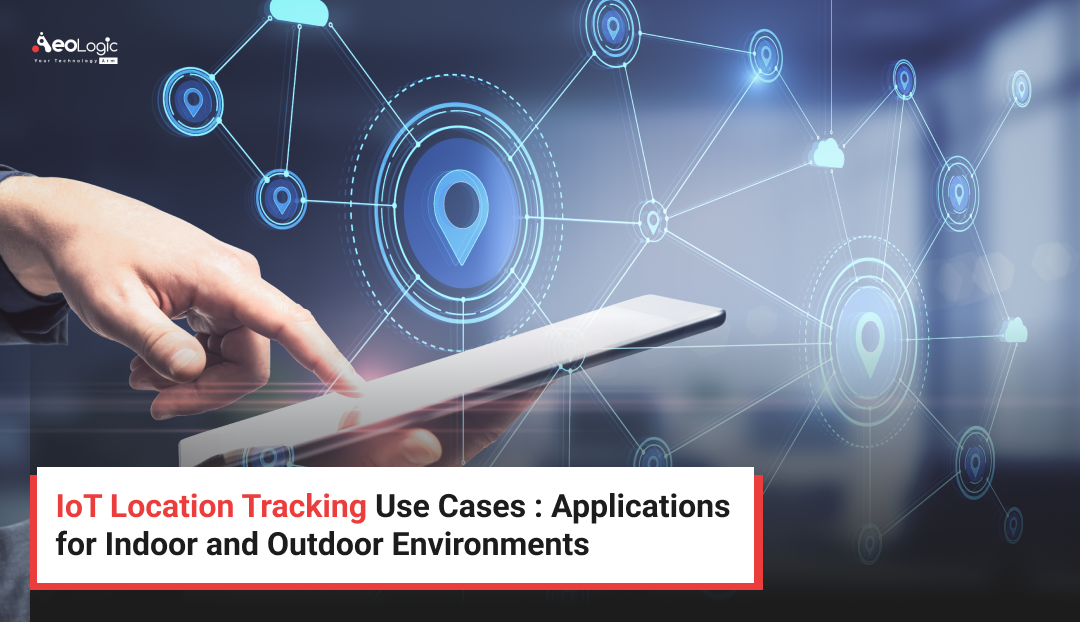
Today’s business world is extremely dynamic and knowing exactly where assets, vehicles, employees and equipment are is a competitive advantage and not a nice to have. From logistics, manufacturing, healthcare, retail, construction to transportation, industries increasingly rely on real-time visibility to boost efficiency and minimize losses in operations. By delivering real-time, connected and data-driven asset location and activity insights, IoT Location Tracking has built-in the capacity to bypass conventional monitoring systems, allowing organizations to gain a more comprehensive understanding of their assets in real-time.
Using location-based intelligence is not confined to the large corporations anymore. Tracking technologies are also being adopted by mid-sized enterprises and emerging businesses to get a better grip of their operations. These solutions deliver real business value from indoor to outdoor environments, whether for tracking vehicles between cities, or for finding equipment within a hospital.
What is IoT-Based Location Tracking?
Location tracking with the help of IoT refers to the tracking of physical objects, assets, people or vehicles using a network of interconnected devices and communication. These solutions capture location data on a regular basis and relay it to central systems where companies can monitor, analyze and derive insights from the movement, utilisation and performance of their systems. Modern solutions embrace a variety of technologies to provide greater accuracy and coverage than traditional tracking solutions which rely on GPS only.
Many location systems are dependent on their surrounding environments. Satellite positioning systems like GPS and indoor systems like Bluetooth Low Energy (BLE), RFID, Wi-Fi triangulation, or Ultra-Wideband (UWB) are commonly used in outdoor environments, whereas indoor environments need to use alternatives like Bluetooth Low Energy (BLE), RFID, Wi-Fi triangulation, or Ultra-Wideband (UWB). When these technologies are combined, businesses can keep track in complex environments where standard positioning systems may not work.
Why Businesses Are Investing in IoT Location Tracking
Operational efficiency and visibility
Poor asset and workflow visibility results in a lot of time and resources lost for organizations. Inside the warehouse, workers might end up searching for items and equipment for longer than necessary. In manufacturing facilities, a postponement of tool availability can cause production delays. These inefficiencies can directly impact productivity and operating expenses.
Tracking solutions that are connected, enable to see the whole operational chain. Immediate visibility of equipment availability, employee movements and asset positions. This helps decision-making to be quicker and resource utilization more effective. As a result of better visibility, operational performance, expenses and downtime are reduced over time.
Improved safety and compliance management
Many industries, including mining, construction, oil and gas, and healthcare, work in settings with a high risk for safety issues. Real-time workforce tracking can bridge the gap and respond promptly to emergencies and fire safety rules during crises.
In construction, for instance, it can be used to detect if workers are going into restricted areas, or in manufacturing, it can be used to track people in hazardous areas. In critical situations, management teams immediately know where employees are and can evacuate and respond to an incident more quickly.
IoT Location Tracking Applications in Indoor Environments
Indoor positioning presents unique technical challenges because satellite signals are often weak or unavailable inside buildings. To overcome these limitations, organizations use dedicated technologies that are specially designed for use within a confined area.
Smart Warehouses and Inventory Management
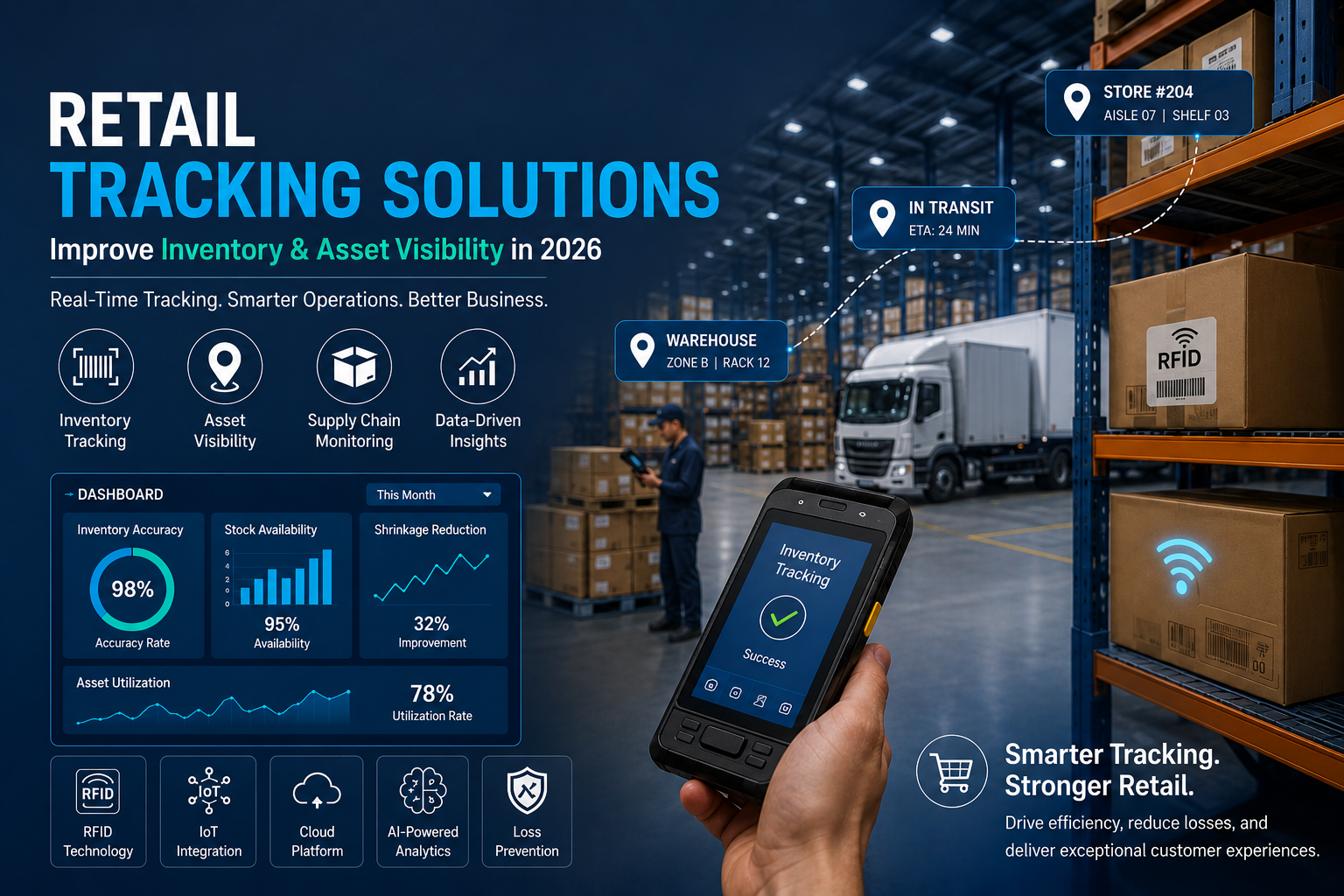
In a warehouse, inventory and equipment are constantly moving and real-time visibility is crucial. Businesses can use indoor tracking systems to find products faster, minimize errors, optimize storage, and enhance order fulfillment efficiency, resulting in improved performance and customer satisfaction.
Healthcare Equipment and Patient Monitoring
Tracking technologies are used at hospitals to quickly locate medical equipment and to facilitate patient flow. Real-time visibility shortens wait times, uses resources optimally, aids in emergency response, ensures efficient healthcare operations, and contributes to the quality of patient care.
Smart Manufacturing and Industry 4.0
Location monitoring is used in manufacturing facilities to monitor materials, equipment and production processes. This increases the visibility of the workflow, decreases the bottlenecks, facilitates the predictive maintenance and increases the efficiency of the workflow in Industry 4.0 environments.
IoT Location Tracking Applications in Outdoor Environments
For outdoor operations, it is essential to accurately track over vast areas and varying conditions. In a rapidly changing business landscape, real-time monitoring offers benefits in terms of visibility, reducing delays, optimizing resources, and making swift decisions.
Fleet Management and Transportation Operations
Connected tracking systems are used by transportation companies to keep track of vehicles, optimize routes, cut fuel expenses, and enhance the accuracy of deliveries. With real-time visibility, the operational efficiency is improved, and customers are better informed due to the timely updates.
Supply Chain and Logistics Monitoring
With tracking technologies, companies can gain visibility into the entire shipment journey, from start to finish, enabling them to track movements, minimize disruptions, enhance coordination, and boost supply chain efficiency by having real-time operational intelligence.
Construction Site Asset Monitoring
Construction companies use tracking systems to track equipment, increase worker coordination, minimise equipment loss, and improve construction safety. Improved visibility aids in effective project management and utilization of resources.
Precision Agriculture and Smart Farming
Smart farming relies on inter-connected monitoring systems to monitor machines, animals and field activities. Real-time insights contribute to improved productivity, optimized resource use and sustainable agricultural practices.
 Technologies Enabling Location-Based Intelligence
To provide precise location and tracking in a real-time environment, modern location intelligence solutions rely on a number of technologies. Technology is dependent on industry demands, environmental conditions, coverage requirements and precision levels expected.
One of the most popular technologies for outdoor monitoring applications is Global Positioning System (GPS). It helps organizations track vehicles, shipments, and mobile assets over long distances while improving route visibility and operational coordination.
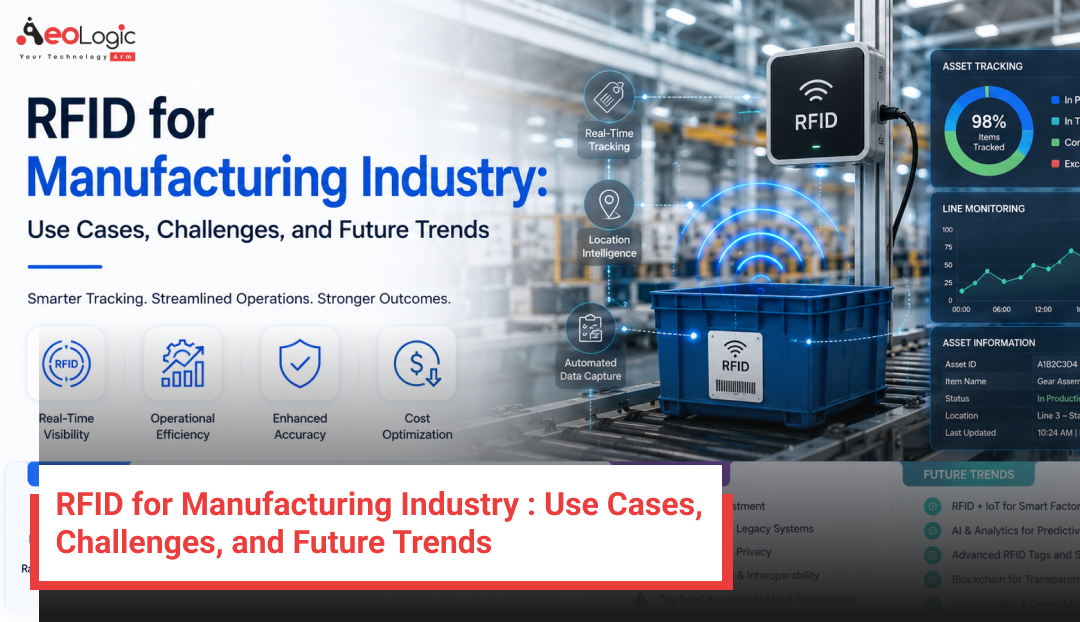
Satellite signals don’t penetrate indoors very well, so alternative technologies are needed in the indoors. Applications such as warehouses, healthcare, retail and manufacturing benefit from greater positioning accuracy via Bluetooth Low Energy, RFID and Ultra-Wideband.
The advancement of 5G connectivity and cloud computing is boosting real-time communication ability. High-speed networks can facilitate real-time data transfer, reduce latency, and facilitate seamless integration between connected devices and enterprise analytics tools.
Step-by-Step Approach for Implementing Location Tracking Solutions
The choice of hardware is not enough for successful implementation. It is essential for organisations to match technology decisions with business objectives, business environments and scale demands.
Step 1: Define business objectives clearly
Implementation should begin with identifying specific operational challenges. Businesses must determine whether they aim to improve asset visibility, enhance safety, reduce costs, optimize logistics, or increase efficiency.
Establishing objectives assists in technology selection and performance evaluation. If there are no clear objectives, it may be difficult for organizations to show a return on investment.
If we know what we are looking for, then we have a better chance for success in implementation.
Step 2: Assess environmental requirements
There are significant differences between technical conditions in indoor and outdoor environments. Before choosing solutions, businesses should consider facility layouts, geographical coverage, infrastructure constraints and connectivity availability.
Environmental Assessment allows for the avoidance of technology mismatches that might decrease performance or increase costs.
Effective implementation of the programme is enhanced by careful planning.
Step 3: Select suitable devices and communication methods
There are many factors in sensor, tags, gateways, communication protocol and power consumption that will need to be assessed by the organizations. The reliability, maintenance requirements, and scalability of devices must be taken into account.
It’s important to think about the future when considering technology and not just how much it costs at the moment.
Step 4: Integrate analytics and visualization platforms
Where data is useful is when it turns to insights. Analytics dashboards are a tool that helps companies define patterns, assess performance, and foresee inefficiencies in operations.
Visualization tools can aid in quicker decision making because they can present complex data in a way that is digestible.
New and growing enterprises are more interested in tracking accuracy as well as analytics.
Step 5: Establish cybersecurity and compliance measures
There are potential security risks as the result of connected environments. It is important for organisations gathering location data to put measures in place to ensure the protection of sensitive operational data.
Implementing regulations, access controls, authentication, and encryption should be considered as part of the plan.
Good security will help to establish trust and minimize risk exposure.
Benefits of IoT Location Tracking for Enterprises
For organizations that invest in intelligent monitoring technologies, improvements typically go beyond just the visibility. Improved awareness often impacts operational efficiency, cost optimization, customer experience, and strategic planning.
Businesses can cut down on asset loss, optimize resources, enhance safety measures, and speed up response times. Greater transparency enables improved interdepartmental collaboration and increased information.
Organizations can also offer accurate updates, predictable time to delivery, and service reliability, enhancing customer satisfaction, as well. In competitive industries, these improvements contribute directly to stronger market positioning.
Sparked by the use of location data, the amount of information collected over time can be a source of operational intelligence that provides the ability to make predictions and decisions automatically.

I’m a Software Developer with 9 years of experience building scalable web and mobile applications. Currently focused on React.js and React Native, I specialize in creating high-performance, user-friendly interfaces that drive business outcomes.
My background spans cross-platform development using Flutter, and native Android development, giving me a strong understanding of the entire mobile ecosystem. I’ve contributed to products in EdTech, Healthcare, and Enterprise SaaS—helping scale apps to 100K+ users and improving performance, reliability, and user engagement.
I’m passionate about clean architecture, modular design, and seamless user experiences. Whether it’s setting up robust state management with Redux Toolkit, optimizing API integrations with GraphQL/REST, or automating workflows with CI/CD pipelines (GitHub Actions)—I focus on writing maintainable code and delivering value to both users and stakeholders.