Businesses today are part of a global economy with complex supply chains for raw materials, production and distribution, which deliver products to the customer globally. With the increase in length of supply chains and more suppliers, manufacturers, logistics providers, distributors, and retailers involved, it is difficult to keep track of each stage. This is a place where Supply Chain Traceability is critical.
Supply Chain Traceability helps companies track and trace products, components and materials from their source to the end customer. It offers transparency for organizations to maintain product quality, regulatory compliance, operational efficiency, and customer trust. From tracking food products, pharmaceutical medicines, automotive components, consumer electronics, and more – traceability has become a necessity, not a competitive edge.
Understanding Supply Chain Traceability
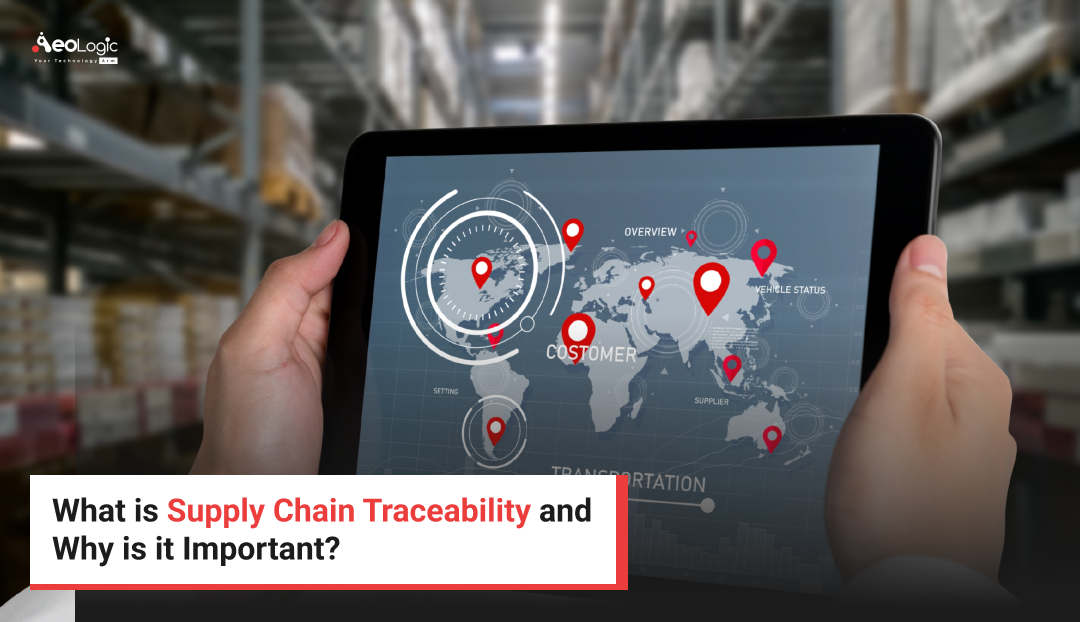
Supply Chain Traceability is the capacity of tracing, tracking and documenting movement of products, materials and components through all stages of the chain. It records in-depth data on the location of a product, its treatment, those involved, the mode of transport, and the time it was delivered.
Traceability is a detailed record of the life history of a product, which differs from the inventory tracking. All transactions, movements, inspections and transformations are recorded – a clear chain of information is established and can be retrieved at any time.
Today’s traceability systems gather data from a variety of sources such as manufacturers, suppliers, warehouses, transporters and retailers. This data is then gathered into a single location, which makes it easier for companies to keep track of products in real time and detect any irregularities or potential problems promptly.
Why Supply Chain Traceability has become essential
The supply chain has become more complex over the last 10 years. To ensure they meet varying standards and regulations, companies typically have hundreds of suppliers in different countries to work with. Without full visibility, it’s easy to fall into the trap of late delivery, quality problems, counterfeit products and compliance failures with such networks.
Consumers are also demanding greater transparency. Customers are increasingly interested in product origins, ethical sourcing and environmental and social standards of manufacturing processes.
The governments and the regulators have put more stringent compliance regulations in place in various industries like healthcare, food manufacturing, pharmaceuticals, aerospace, and electronics. Nowadays, organizations are required to prove the origin and the flow of products along the supply chain.
By implementing Supply Chain Traceability, companies can fulfill these demands and optimize their operations and minimize business risks.
How Supply Chain Traceability works
Product identification
Each product, part or delivery is equipped with a unique identifier, which may be a barcode, QR code, RFID tag, serial number or an IoT enabled product. This identifier serves as the digital identity of the product throughout its lifecycle.
Data collection across every stage
Information is seamlessly captured throughout the manufacturing, warehousing, transport and retail journey. This includes production dates, batch numbers, supplier details, inspection reports, storage conditions, shipping records, and delivery confirmations.
Centralized information management
All the data that is collected is kept in an integrated traceability platform. Organizations no longer need to use separate spreadsheets or disconnected systems to get an overall view of the supply chain.
Real-time monitoring
A smart traceability solution offers true visibility into what’s happening to the inventory and tracking shipment status. Managers can easily spot delays, check inventory, and take action to respond to unforeseen events before they affect customers.
Historical tracking
Organizations can trace back impacted products to their source in an instant in case of quality problems or product recalls. This saves time in investigations and protects against financial loss.
Key Components of an effective supply chain traceability system
Supplier visibility
The key to a successful traceability system starts with transparency. Detailed supplier information, certifications, raw materials, production processes and compliance documents should be obtained.
Manufacturing records
All production activities must be recorded, such as machine operations, quality checks, production batches, operator information, etc., and the test results. These records enable fast detection of manufacturing faults.
Inventory tracking
Warehouses are important for the traceability. A business needs to keep track of product movement, storage areas, stock rotation and how products are handled to ensure the product remains intact.
Transportation monitoring
Today’s logistics systems track products in transit via GPS, IoT sensors and transportation management software. The businesses can track the shipment condition like temperature, humidity, delivery time etc.
Customer delivery records
Record keeping of customer deliveries enables companies to efficiently address recalls, warranty and service requests as well as enhance customer satisfaction.
 Benefits of Supply Chain Traceability
Improved product quality
Organizations can have full visibility of production and logistics processes, enabling them to detect quality problems before the products reach customers. Defective batches can be identified and corrected without delay, allowing manufacturers to take corrective measures to prevent future problems.
Faster product recalls
Product recalls are expensive and a threat to brand reputation. Supply Chain Traceability allows companies to track and find out exactly what products are affected in a business rather than recalling all of its products. This is a specific approach that reduces the financial losses and protects consumers.
Stronger regulatory compliance
Manufacturers of medicines, medical devices, food products and other healthcare industries must meet stringent regulations. Traceability systems make audits easy, offering accurate documentation and full product histories as and when needed.
Better risk management
The disruptions within the supply chain related to failure of suppliers, transportation delays, geopolitical events, natural disasters, etc., can have a major effect on operations. Traceability helps to identify potential risks early on and implement preventive measures.
Increased customer trust
There is a desire among consumers to have transparency. When customers are aware of the sources of products and how they were produced, they are able to gain more trust on the brand. Traceability helps uphold ethical sourcing, sustainability efforts, and responsible production.
Enhanced operational efficiency
Handwritten records can cause mistakes, delays and duplication of effort. Automated traceability systems help to manage information more easily, reduce administrative effort and enhance decision making within the organization.
Technologies powering supply chain traceability
RFID Technology
Radio Frequency Identification enables businesses to track products automatically without requiring manual barcode scanning. The benefits of RFID include enhanced warehouse productivity, improved inventory control and shipment visibility.
Internet of Things (IoT)
During manufacturing, storage and transportation, IoT devices collect data continuously from the environment and during operations. Businesses can monitor temperature-sensitive goods, fragile items, and high-value assets in real time.
Artificial Intelligence
AI uses traceability information to recognize patterns, forecast issues, enhance stock management and discover anomalies early, before they cause major issues.
Blockchain Technology
Blockchain provides transparency and non-tamperable documentation of all the transactions in a supply chain. Data is immutable once it is recorded, which makes blockchain a useful tool for instilling trust between suppliers, manufacturers, distributors and customers.
Cloud Computing
Cloud-based traceability platforms allow companies to view real-time data from any location and help to foster support for collaboration between various sites and business partners.
Industries that benefit from supply chain traceability
Food and beverage
Traceability is employed by food manufacturers to track ingredients, manage food safety, meet regulations and adeptly address contamination events.
Pharmaceuticals
Pharmaceutical companies know exactly how medicines are moving from production to delivery to patients, helping to reduce the risk of counterfeiting medicines, ensure regulatory compliance and patient safety.
Automotive manufacturing
Automotive manufacturers are tracking thousands of components from several suppliers. Traceability can be used to identify faulty components, to efficiently manage recalls, and to control the quality of productions.
Retail and e-commerce
Retailers can achieve better visibility into inventory, minimize stock discrepancies, streamline fulfillment processes, and offer customers accurate order tracking details.
Electronics manufacturing
Electronic products have components from all over the world. Traceability provides component authenticity, quality assurance and international standards for manufacturing.
Common Challenges in implementing Supply Chain Traceability
While the advantages are great, the process of implementing Supply Chain Traceability requires attention to detail and cooperation.
There are still plenty of organizations that run with a legacy system with no integration. It can be tedious and complex to gather data across several software platforms.
Inconsistencies in data quality is another common issue. The less reliable the traceability, the less accurate the information provided by suppliers is that will be reported.
Cost is also a consideration, especially for companies with large supplier bases. But the adoption of RFID, IOT sensors, cloud platforms, and software integration will demand a significant investment, and while operational advantages can often be realized in the future, they may not be realized in the short-term.
Training for employees is also very important. Implementing a successful traceability program is dependent on the staff members in procurement, manufacturing, warehousing, logistics and quality assurance working from a consistent process and keeping accurate records.
Best Practices for building a reliable Traceability System
Organizations should establish standardized data collection procedures across every stage of the supply chain. Standardized information enhances reporting accuracy and makes compliance requirements easier while strengthening Supply Chain Traceability across operations.
Being in close collaboration with suppliers is also relevant. Businesses should define clear documentation standards and encourage suppliers to adopt digital systems that support real-time information sharing.
Automation greatly enhances traceability by minimizing human error and speeding up data collection. These technologies, like RFID, bar code, IoT devices and cloud platforms, increase operational efficiency and visibility.
Conducting audits periodically ensures that the data is accurate, and that the organization can make needed improvements in its processes. It’s essential for businesses to regularly audit their traceability systems to make sure they continue to meet regulatory needs and operational demands.
Security ought to be a concern as well. Organizations need to put in place robust security measures to protect traceability systems against unauthorized access and data breaches, as they include sensitive operational and supplier data.
The Future of Supply Chain Traceability
Digital transformation, automation, and intelligent technologies are driving the future of Supply Chain Traceability. AI will continue to enhance predictive analytics as it can foresee risks in the supply chain before they even happen. IoT devices will deliver even more real-time shipment, equipment, and environmental visibility.
As organizations look to share information related to their supply chains in a more secure, transparent way, the adoption of blockchain is likely to grow. Digital twins will also improve supply chain management by letting businesses simulate operations and forecast disruptions and optimize performance prior to operational decisions.
Sustainability will remain another major driver. Customers, investors, and governments increasingly expect organizations to demonstrate responsible sourcing, ethical manufacturing, and environmental accountability. Traceability systems will provide the transparency needed to support these initiatives.
Conclusion
Today, Supply Chain Traceability is a must have feature for organizations aiming to increase visibility, streamline operations and gain customer confidence. Organizations can gain better insight into the product, enhance regulatory compliance, lower operational risks, and act swiftly in the event of a disruption or recall, by tracking the product at each stage of the supply chain.
The use of technologies such as RFID, IoT, Artificial Intelligence, Blockchain and cloud computing is making traceability a strategic function of the business and not just a compliance requirement. By adopting digital traceability, organizations safeguard their operations, foster greater customer trust, and foster more resilient supply chains for the future, while also strengthening supplier relationships. Aeologic Technologies assists enterprises in deploying intelligent supply chain solutions, which handle end-to-end visibility, streamlining and long-lasting digital change.
Frequently Asked Questions (FAQs)
Q1. What is Supply Chain Traceability?
Supply Chain Traceability is the process of tracking and documenting the movement of products, raw materials, and components throughout the entire supply chain. It provides complete visibility into where a product originated, how it was manufactured, transported, stored, and delivered to the end customer.
Q2. Why is Supply Chain Traceability important for businesses?
Supply Chain Traceability helps businesses improve product quality, ensure regulatory compliance, reduce operational risks, streamline product recalls, and build customer trust through greater transparency. It also enables organizations to identify issues quickly and make informed supply chain decisions.
Q3. Which technologies are commonly used for Supply Chain Traceability?
Several technologies support Supply Chain Traceability, including RFID, barcode and QR code systems, Internet of Things (IoT) sensors, Artificial Intelligence (AI), Blockchain, GPS tracking, and cloud-based supply chain management platforms. These technologies provide real-time visibility and accurate tracking across the supply chain.
Q4. Which industries benefit the most from Supply Chain Traceability?
Supply Chain Traceability is widely used in industries such as food and beverage, pharmaceuticals, healthcare, automotive, manufacturing, retail, electronics, and logistics. These industries rely on traceability to maintain product quality, comply with regulations, and improve operational efficiency.
Q5. How does Supply Chain Traceability improve customer trust?
Supply Chain Traceability allows businesses to provide transparent information about product origin, sourcing, manufacturing, and delivery. This transparency reassures customers that products are authentic, safe, ethically sourced, and meet quality standards, ultimately strengthening brand credibility and customer loyalty.