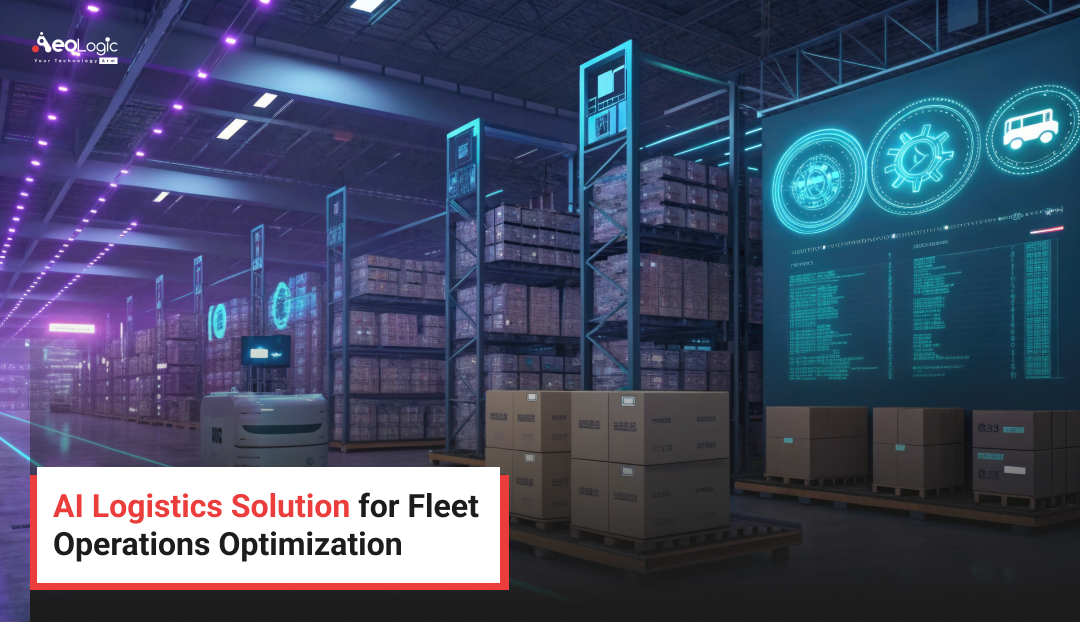
Running a fleet today looks nothing like it did a decade ago. Fuel prices swing without warning, customers expect delivery windows measured in hours rather than days, and a single breakdown on the highway can throw off an entire day’s schedule. If you manage trucks, vans, or any kind of moving fleet, you already know that the old way of doing things — spreadsheets, phone calls, and gut-feel routing — simply can’t keep up anymore. This is exactly why more fleet operators are adopting an AI logistics solution to bring order to the chaos.
Rather than reacting to problems after they happen, an AI logistics solution helps you see them coming — a truck likely to need maintenance next week, a route that will hit traffic before it does, a driver pattern that signals fatigue. In this guide, we’ll walk through what an AI logistics solution actually is, how it works, the real benefits it delivers, and how to choose one that fits your fleet.
What is an AI Logistics Solution?
An AI logistics solution is a software platform that uses artificial intelligence — including machine learning, predictive analytics, and real-time data processing — to plan, monitor, and optimize the movement of vehicles, goods, and drivers across a supply chain or fleet operation.
Unlike traditional fleet management tools that mostly track “what happened” (mileage logs, fuel receipts, delivery confirmations), an AI logistics solution focuses on “what’s about to happen” and “what should happen next.” It continuously ingests data from GPS units, vehicle sensors, weather feeds, traffic systems, and historical performance records, then turns that data into recommendations a dispatcher or fleet manager can act on immediately.
 Why Fleet Operators are Turning to AI Logistics Solutions Now
The Cost of Inefficient Fleet Operations
Unplanned downtime, inefficient routing, and reactive maintenance quietly drain fleet budgets every single day. A truck sitting in a repair shop isn’t generating revenue. A driver stuck circling a delivery zone because of an outdated route is burning fuel for nothing. These inefficiencies used to be treated as “the cost of doing business” — but they no longer have to be.
Market and Technology Shifts Driving Adoption
Several forces are pushing fleets toward AI adoption at the same time:
- E-commerce growth has raised customer expectations for speed and delivery accuracy.
- Driver shortages mean every available hour of a driver’s shift needs to count.
- Fuel and maintenance costs remain a top-line expense that directly affects margins.
- Sensor and telematics hardware has become affordable enough that even mid-sized fleets can collect rich data.
- Cloud-based AI tools no longer require in-house data science teams to deploy.
Together, these shifts have made an AI logistics solution less of a luxury for enterprise fleets and more of a practical necessity for fleets of almost any size.
How does an AI Logistics Solution Work?
At a high level, an AI logistics solution works in three stages: data collection, analysis, and action.
Core Components
| Component | What It Does |
|---|---|
| Telematics & GPS integration | Captures live vehicle location, speed, and driving behavior |
| Machine learning engine | Identifies patterns in historical and live data to predict outcomes |
| Route optimization module | Calculates the most efficient path factoring in traffic, weather, and delivery windows |
| Predictive maintenance module | Flags vehicles likely to fail based on sensor readings and usage history |
| Dispatcher dashboard | Presents recommendations and alerts in a usable, real-time interface |
Data Sources That Power Fleet AI
An AI logistics solution is only as good as the data feeding it. Common inputs include:
- Vehicle telematics (engine health, fuel consumption, braking patterns)
- GPS and traffic data
- Weather forecasts along planned routes
- Historical delivery and maintenance records
- Driver hours-of-service logs
- Warehouse and inventory system data
By combining these sources, the platform doesn’t just report on the fleet — it starts to anticipate what the fleet needs next.
Key Benefits of an AI Logistics Solution for Fleet Operations
1. Smarter Route Optimization
Instead of static routes planned once and reused indefinitely, an AI logistics solution recalculates routes dynamically based on live traffic, road closures, and delivery priorities. This typically translates into fewer miles driven per delivery and more stops completed per shift.
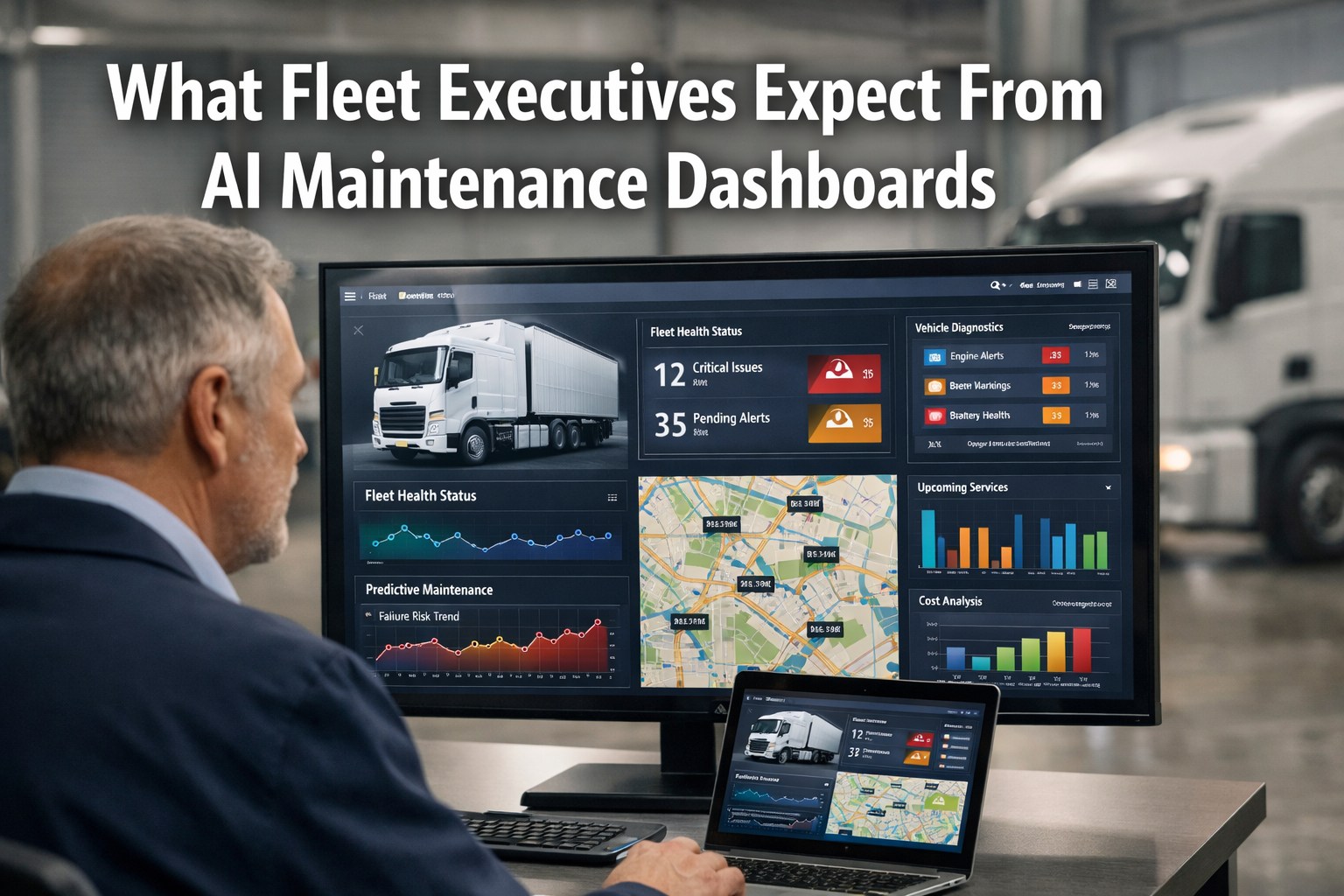
2. Predictive Maintenance
Rather than waiting for a breakdown or following a rigid maintenance calendar, the system watches for early warning signs — unusual vibration patterns, temperature spikes, irregular fuel burn — and schedules service before a small issue becomes a costly one.
 3. Fuel and Operating Cost Savings
Shorter routes, smoother driving behavior (thanks to coaching alerts), and fewer emergency repairs all add up to meaningfully lower fuel and maintenance spend over time.
4. Improved Driver Safety and Compliance
Many AI logistics solution platforms include driver behavior monitoring that flags harsh braking, speeding, or signs of fatigue, helping fleet managers coach drivers proactively and stay ahead of hours-of-service compliance requirements.
5. Real-Time Visibility for Better Decisions
Dispatchers and customers alike get accurate, real-time ETAs instead of rough estimates, which reduces the volume of “where’s my delivery” calls and improves overall service reliability.
Key Takeaway: The core value of an AI logistics solution isn’t just automation — it’s turning fleet data into decisions that happen before a problem costs you money.
AI Logistics Solution Use Cases Across Industries
| Industry | How an AI Logistics Solution Helps |
|---|---|
| Last-mile delivery | Dynamic routing for high delivery-density urban areas |
| Trucking & freight | Predictive maintenance across long-haul fleets |
| Field service | Optimized technician scheduling and dispatch |
| Cold chain / food distribution | Real-time temperature and route monitoring |
| Construction & heavy equipment | Equipment utilization tracking and downtime prevention |
| Retail distribution | Demand-based fleet allocation during peak seasons |
Choosing the Right AI Logistics Solution for Your Fleet
Key Features Checklist
When evaluating an AI logistics solution, look for:
- Real-time GPS and telematics integration
- Predictive maintenance alerts
- Dynamic, AI-based route optimization
- Driver behavior and safety scoring
- Open APIs for integration with existing systems (ERP, WMS, TMS)
- Scalability as your fleet grows
- Transparent reporting and analytics dashboards
Common Challenges and How to Overcome Them
Challenge: Data quality and integration. Older vehicles or fragmented systems can make it harder to feed clean data into an AI logistics solution. Start with a pilot group of vehicles and expand once integration is proven.
Challenge: Driver adoption. New technology can feel intrusive. Involve drivers early, explain the safety and workload benefits, and avoid framing the rollout purely as “monitoring.”
Challenge: Upfront investment. While there is a cost to implementation, most fleets recover it through fuel savings and reduced downtime within the first year or two, depending on fleet size.
AI Logistics Solution vs Traditional Fleet Management Software
| Feature | Traditional Fleet Software | AI Logistics Solution |
|---|---|---|
| Route planning | Static, manually updated | Dynamic, continuously optimized |
| Maintenance approach | Scheduled/reactive | Predictive |
| Data usage | Historical reporting | Real-time + predictive analytics |
| Decision-making | Manual, dispatcher-driven | AI-assisted recommendations |
| Scalability | Limited by manual processes | Scales with automation |
Best Practices for Implementing an AI Logistics Solution
- Start with a clear goal — fuel savings, on-time delivery, or maintenance cost reduction — rather than trying to solve everything at once.
- Run a pilot with a small group of vehicles before a fleet-wide rollout.
- Clean up your data sources so the AI has accurate information to learn from.
- Train dispatchers and drivers on how to use the recommendations, not just how to view them.
- Review performance metrics regularly and adjust configuration as your fleet’s needs change.
The Future of AI in Fleet Operations
As sensor technology becomes cheaper and AI models become more capable of processing complex, real-time data, an AI logistics solution is likely to move from being a “nice-to-have” dashboard to becoming the operational backbone of fleet management — coordinating everything from dynamic pricing on delivery windows to autonomous vehicle integration down the line. Fleets that build strong data foundations today will be best positioned to take advantage of these advances as they arrive.
Conclusion
An AI logistics solution isn’t about replacing the people who run your fleet — it’s about giving them better information, earlier, so they can make smarter calls. From predictive maintenance and dynamic routing to real-time visibility and driver safety, the right AI logistics solution addresses the exact pain points that quietly cost fleet operators time and money every single day.
If your fleet is still relying on static routes and reactive maintenance schedules, now is a practical time to evaluate how an AI logistics solution from Aeologic Technologies could fit into your operations — start with a focused pilot, measure the results, and scale from there.
FAQs
Q1. What does an AI logistics solution actually do for a fleet?
It analyzes real-time and historical fleet data to optimize routes, predict maintenance needs, monitor driver safety, and improve delivery accuracy — turning raw data into actionable recommendations for dispatchers and fleet managers.
Q2. How is an AI logistics solution different from GPS tracking?
GPS tracking only shows vehicle location. An AI logistics solution goes further by analyzing that location data alongside traffic, weather, and vehicle health information to actively recommend route changes and maintenance actions.
Q3. Can an AI logistics solution work with my existing fleet management software?
Most modern AI logistics platforms offer APIs that integrate with existing ERP, TMS, and WMS systems, allowing you to add AI-driven insights without replacing your entire technology stack.
Q4. How long does it take to implement an AI logistics solution?
Implementation timelines vary by fleet size and data readiness, but a focused pilot with a small group of vehicles can typically be running within a few weeks, with full fleet rollout following gradual expansion.
Q5. Does an AI logistics solution require new hardware?
It depends on your current setup. Fleets with existing telematics devices may only need a software integration, while others may need to install compatible sensors or GPS units to collect the necessary data.
Q6. How does predictive maintenance in an AI logistics solution work?
The system continuously monitors vehicle sensor data — such as engine temperature, vibration, and fuel efficiency — to detect patterns that typically precede a mechanical issue, flagging vehicles for service before a breakdown occurs.
Q7. Is an AI logistics solution suitable for small and mid-sized fleets?
Yes. Many providers now offer scalable, subscription-based pricing designed for smaller fleets, making the technology accessible beyond just large enterprise operations.