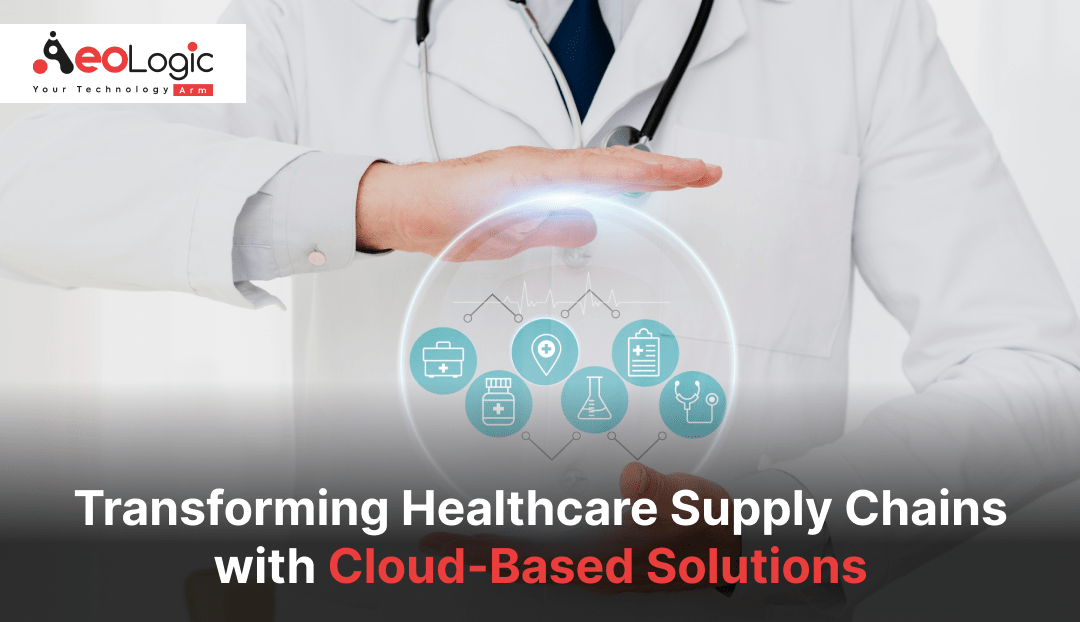
Healthcare supply chains involve multiple processes, including medical inventory management, pharmaceutical distribution, equipment tracking, supplier coordination, and the timely delivery of essential supplies. Managing these activities through disconnected systems can lead to stock shortages, delayed deliveries, higher operational costs, and limited visibility across healthcare networks. As healthcare demands continue to evolve, organizations need more flexible and connected ways to manage their supply chain operations.
Cloud-Based Solutions are helping healthcare organizations modernize these processes by connecting inventory data, procurement activities, suppliers, warehouses, and distribution networks through centralized digital platforms. These technologies allow supply chain teams to access updated information, coordinate activities across multiple locations, and respond more effectively to changing requirements. By improving data visibility and operational coordination, cloud technology can help healthcare providers maintain the availability of critical supplies while controlling costs.
Understanding Cloud Computing in Healthcare Supply Chains
Cloud computing enables organizations to access computing resources, applications, databases, and storage through internet-connected infrastructure rather than relying entirely on locally maintained servers. In healthcare supply chains, this approach supports the exchange of operational information between hospitals, pharmacies, laboratories, distributors, manufacturers, and suppliers.
Healthcare organizations can use Cloud-Based Solutions to centralize procurement records, monitor inventory levels, manage supplier information, and coordinate product deliveries across multiple facilities. Instead of relying on separate spreadsheets or disconnected software, authorized employees can work with consistent information through integrated systems.
For example, when a hospital’s inventory of surgical gloves or diagnostic supplies falls below a predefined threshold, an integrated system can notify the procurement team and help initiate replenishment. When connected with supplier and logistics platforms, it can also provide updates about purchase orders and expected delivery dates. This creates a more coordinated supply chain and reduces dependence on manual communication.
 Key Benefits of Cloud Technology for Healthcare Supply Chains
Improved Inventory Visibility
Maintaining the right inventory levels is essential for healthcare organizations because shortages can disrupt patient services, while excessive stock increases storage costs and the risk of expiry. Cloud-enabled inventory platforms help teams monitor stock availability, consumption patterns, and replenishment requirements across different facilities.
With Cloud-Based Solutions, inventory information can be consolidated from multiple warehouses, pharmacies, and hospital departments. Authorized staff can identify available supplies, locate potential shortages, and coordinate stock transfers before purchasing additional materials.
For instance, if one hospital location has excess medical consumables while another faces a shortage, centralized inventory visibility can help teams evaluate whether transferring existing stock is more practical than placing an urgent order. This approach supports better resource utilization and more informed purchasing decisions.
More Efficient Procurement and Supplier Coordination
Healthcare procurement involves coordinating purchase orders, supplier contracts, delivery schedules, invoices, and quality requirements. When these activities are managed through separate systems, employees may spend considerable time verifying information and following up on delayed orders.
Cloud-enabled procurement platforms bring these activities together, allowing teams to track order status, review supplier performance, and identify potential delivery issues. Automated notifications can help procurement professionals follow up on pending approvals or approaching delivery deadlines.
By using Cloud-Based Solutions, healthcare organizations can improve communication between procurement teams, distributors, and manufacturers. A centralized view of supplier activity also makes it easier to compare delivery reliability, monitor recurring problems, and identify opportunities to improve purchasing processes.
Better Demand Forecasting and Planning
Healthcare demand can change because of seasonal illnesses, emergency situations, changing treatment requirements, and fluctuations in patient admissions. Poor forecasting may result in shortages of essential products or unnecessary accumulation of slow-moving inventory.
Cloud platforms can bring together historical consumption data, current stock levels, purchasing records, and other relevant operational information. When combined with analytics and forecasting tools, this information can help organizations estimate future demand and plan replenishment more effectively.
For example, a hospital network may identify recurring increases in demand for particular medical supplies during specific periods. Supply chain managers can use these patterns to adjust purchasing schedules, establish appropriate safety stock levels, and coordinate deliveries with suppliers.
These forecasts are not guaranteed predictions, but they can provide a stronger basis for planning than decisions based solely on manual estimates.
Reduced Operational Costs
Maintaining traditional IT infrastructure can require significant expenditure on servers, software maintenance, hardware upgrades, and technical support. Cloud computing allows organizations to access computing resources through service models that can scale according to operational needs.
Healthcare providers can use Cloud-Based Solutions to reduce some infrastructure management responsibilities and improve coordination between supply chain activities. Automated reporting, digital purchase orders, and centralized inventory records can also reduce repetitive administrative work.
However, the overall savings depend on implementation costs, subscription fees, integration requirements, data transfer expenses, and ongoing security management. Organizations should evaluate total cost of ownership rather than assuming that moving every application to the cloud will automatically reduce expenditure.
Stronger Product Traceability and Visibility
Healthcare products often require careful monitoring throughout procurement, storage, transportation, and delivery. Pharmaceuticals, vaccines, medical devices, and temperature-sensitive supplies may also require specific handling conditions and traceability records.
Cloud platforms can consolidate product information, shipment updates, batch details, and inventory transactions from connected systems. When integrated with RFID, barcode scanning, IoT sensors, or track-and-trace software, these platforms can help organizations follow product movements and investigate discrepancies.
For example, IoT-enabled temperature sensors can send readings from a refrigerated shipment to a connected monitoring platform. If the temperature moves outside an established range, the system can generate an alert for the responsible team. Appropriate procedures can then be followed to assess product quality and determine the next action.
This type of integration strengthens visibility across the supply chain, although actual tracking accuracy depends on sensor coverage, data quality, and system configuration.
Improved Collaboration Across Healthcare Networks
Healthcare supply chains frequently involve stakeholders working across different locations and organizational boundaries. Hospitals, laboratories, pharmaceutical distributors, manufacturers, and logistics partners need timely access to relevant information to coordinate deliveries and manage changing requirements.
Cloud platforms provide a shared environment for exchanging authorized operational data, reviewing order progress, and coordinating replenishment activities. This can reduce communication gaps and help teams respond more quickly when delivery schedules or inventory requirements change.
With Cloud-Based Solutions, organizations can establish more consistent workflows across facilities while controlling access according to individual roles and responsibilities. Integration with existing enterprise resource planning and warehouse management systems can further reduce duplicate data entry and improve the consistency of operational records.
Challenges of Cloud Adoption in Healthcare Supply Chains
Data Privacy and Cybersecurity Risks
Healthcare organizations manage sensitive patient information alongside commercially important supplier, procurement, and inventory records. Moving applications and data to cloud environments requires careful planning to protect confidentiality, integrity, and availability.
Potential risks include compromised user accounts, misconfigured access permissions, insecure integrations, ransomware, and unauthorized data transfers. Organizations must establish appropriate access controls, encryption, monitoring, backup procedures, incident response plans, and vendor security reviews.
Regulatory obligations also depend on the jurisdiction and the type of data being processed. For example, organizations handling protected health information in the United States may need to meet applicable HIPAA requirements. Other regions may impose separate privacy and data protection obligations. Using a cloud provider does not automatically guarantee compliance; responsibilities must be clearly defined between the provider and the healthcare organization.
Integration With Legacy Systems
Many healthcare providers already use established applications for procurement, inventory, finance, hospital administration, and warehouse operations. These systems may have different data formats, interfaces, and operational requirements, making integration difficult.
A successful migration requires an assessment of existing applications, data dependencies, integration interfaces, and business-critical workflows. Organizations should establish consistent data definitions and test how information moves between systems before replacing or connecting essential applications.
A phased migration can reduce disruption by allowing teams to validate individual processes, identify integration issues, and correct problems before expanding the implementation.
Staff Training and Change Management
Technology adoption depends on whether employees can use new systems confidently and consistently. Procurement professionals, warehouse personnel, pharmacists, and administrative teams may have different technical skills and daily responsibilities.
Healthcare organizations should provide role-specific training, practical demonstrations, clear operating procedures, and ongoing support. Involving employees during the planning and testing stages can also help identify workflow problems before the system is introduced across the organization.
Change management should be treated as an ongoing activity rather than a one-time training session.
Internet Connectivity and Service Availability
Cloud applications depend on network connectivity and the availability of the services supporting them. Connectivity problems or service interruptions may affect access to inventory records, shipment updates, or procurement workflows.
Organizations should evaluate service-level agreements, recovery arrangements, backup connectivity, and business continuity requirements before deployment. Critical workflows may also require approved offline procedures or alternative access methods so that essential supply chain activities can continue during an interruption.
How to Implement Cloud Technology in Healthcare Supply Chains
Assess Existing Processes and Business Requirements
Start by reviewing procurement workflows, inventory management practices, supplier communication, distribution activities, and reporting requirements. Identify recurring problems, such as delayed replenishment, limited stock visibility, manual reconciliation, or poor coordination between facilities.
Establish measurable objectives before selecting a platform. These may include improving inventory accuracy, reducing stockouts, shortening order processing times, or increasing supplier delivery visibility.
Choose the Right Cloud Architecture
Organizations should compare public, private, hybrid, and other suitable deployment models according to their security requirements, integration needs, operational complexity, and budget. The selected architecture should support required workloads without introducing unnecessary complexity.
Evaluate providers based on security capabilities, availability, scalability, integration options, support arrangements, data portability, and expected long-term costs.
Integrate Inventory and Supply Chain Applications
Connect the selected platform with relevant ERP, procurement, warehouse management, and logistics systems. Where necessary, integrate RFID readers, barcode scanners, IoT devices, and supplier portals to improve the flow of operational information.
Data validation, access permissions, error handling, and system testing should be completed before the platform is used for critical supply chain activities.
Establish Security and Governance Policies
Define who can access each category of information, how data is protected, how long records are retained, and how incidents will be handled. Review third-party access, backup procedures, disaster recovery plans, and applicable compliance requirements.
Regular assessments can help identify configuration issues and ensure that security controls remain appropriate as systems evolve.
Monitor Performance and Improve Continuously
After deployment, track operational metrics against the baseline established before implementation. Monitor stockout frequency, inventory accuracy, supplier delivery performance, order cycle time, expired stock, and system availability.
Regular reviews help organizations identify bottlenecks, improve forecasting, adjust workflows, and determine whether the technology is delivering the expected operational value.
The Future of Cloud Computing in Healthcare Supply Chains
Healthcare supply chains are becoming increasingly data-driven, creating opportunities to combine cloud infrastructure with artificial intelligence, predictive analytics, IoT monitoring, and automated workflows.
AI-supported analytics may help identify unusual consumption patterns, estimate replenishment requirements, and flag potential supply disruptions. IoT integration can improve monitoring of sensitive shipments, while connected procurement systems can help teams respond to changing inventory conditions.
As these technologies develop, Cloud-Based Solutions can provide the underlying infrastructure for sharing data and coordinating activities across healthcare networks. Their effectiveness will depend on reliable integrations, trustworthy data, appropriate governance, and clear operational objectives.
Organizations that adopt these capabilities gradually and evaluate their results can build more adaptable supply chains without overlooking security, reliability, or cost considerations.
Conclusion
Healthcare supply chain performance depends on having the right products available at the right locations and at the right time. Disconnected systems, limited inventory visibility, inefficient procurement, and unpredictable demand can make this difficult, particularly for organizations managing multiple facilities and suppliers.
Cloud-Based Solutions can help address these challenges by connecting supply chain applications, improving information sharing, supporting demand forecasting, and enabling better coordination between healthcare stakeholders. When implemented with appropriate security controls, integration planning, and employee training, cloud technology can strengthen operational efficiency and supply chain resilience.
The most effective approach is to begin with clearly defined business priorities, select suitable technologies, and measure improvements over time. Healthcare organizations can then build a more connected and responsive supply chain that supports reliable access to essential medical supplies while maintaining appropriate standards for data protection and operational continuity. To explore technology solutions for modernizing healthcare and enterprise operations, connect with Aeologic Technologies.