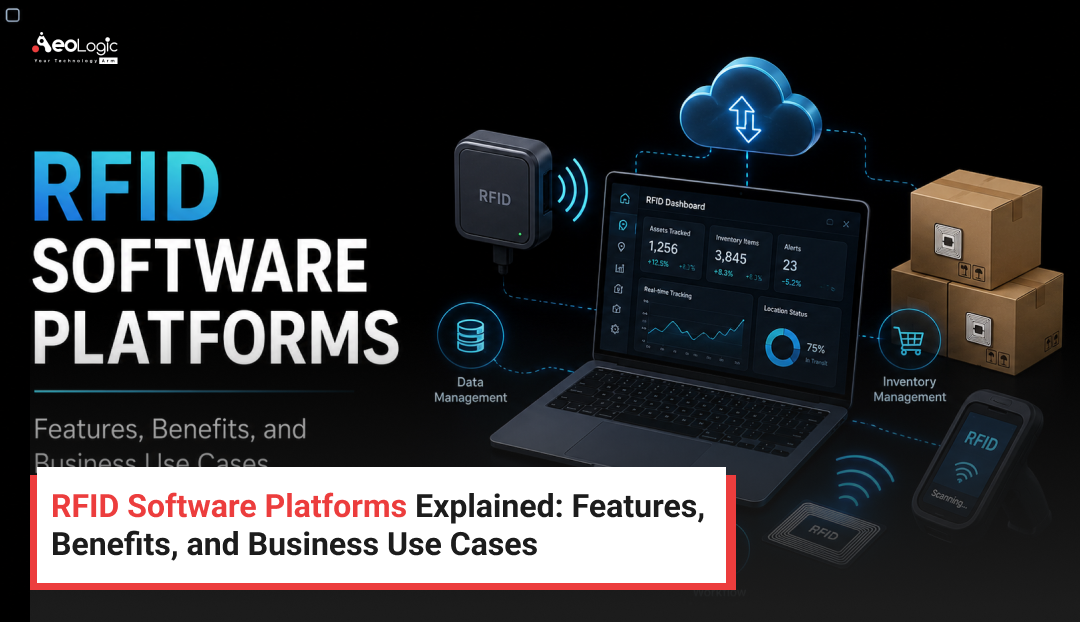
With the ongoing trend toward digital transformation, RFID technology has become a key player in helping organizations become more efficient and effective in their operations, mainly in the areas of real-time visibility and data-driven decisions. Although RFID tags and readers may get the lion’s share of the attention, the intelligence of any RFID deployment is embedded in the software used to gather, analyze and manage RFID-generated data. Modern RFID software platforms are much like the central nervous system of an RFID ecosystem, allowing businesses to keep an eye on assets, keep track on inventory, automate processes, and draw meaningful conclusions.
This article explains what RFID software is, its key features, benefits, implementation considerations, and the business use cases driving adoption across industries.
What are RFID Software Platforms?
RFID software platforms are programs that handle, process and interpret data collected from RFID tags and readers. These platforms connect RFID hardware to enterprise applications like ERP, WMS, MES, CRM, and supply chain management applications.
The software platform filters, organizes and analyzes the captured data from the tagged assets, products or equipment when the RFID readers capture the information. It then delivers information via dashboards, reports, alerts and integration that enables businesses to make informed decisions.
If there is no software, RFID deployments would just produce lots of basic data. That information is converted by the software into operational intelligence that can be leveraged by organizations to enhance visibility, efficiency and control.
How RFID Software Works?
The process starts with the RFID tags attached to a product, asset or equipment sending data to RFID readers. These readers can gather data about the tags, including identification numbers, location updates, movements and changes of status.
This information is passed to the RFID software, which carries out a number of functions:
- Data collection and aggregation
- Event filtering and validation
- Real-time monitoring
- Asset tracking
- Inventory management
- Business rule execution
- Analytics and reporting
- Enterprise system integration
The software then provides relevant data in intuitive dashboards, automated notifications and operational reports which enable business processes.
Key Features of RFID Software Platforms
Real-Time Asset Tracking
Real-time asset tracking is one of the most crucial features of an RFID software solution. Organizations can instantly see where assets are, who’s using them and if they are available or moving.
This has a tremendous impact on search times and on the efficiency of the operations.
Inventory Management
With the use of RFID software, inventory can be monitored automatically, eliminating manual scanning and counting processes. Inventory levels can be monitored in real-time and businesses can be alerted to predefined levels.
With real-time inventory visibility, organizations can minimize stockouts, overstocking, and stock inaccuracies.
Dashboard and Reporting Tools
Today’s RFID solutions offer detailed dashboards that give companies the data they need for their operations as it happens. Users can access reports on inventory levels, asset utilization, movement history, compliance metrics, and operational performance.
These insights help in making better decisions and formulating strategies.
Workflow Automation
One of the key benefits of RFID technology is automation. Workflows can be automated on the basis of a set of predetermined conditions.
For example, when inventory levels fall below a specific threshold, the system can automatically initiate replenishment processes or notify procurement teams.
Integration Capabilities
Most businesses run multiple business applications. Good RFID software platforms work well with existing ERP, WM, manufacturing execution and supply chain solutions.
This integration guarantees that data with RFID is shared throughout the organization without needing to be manually inputted.
Alerts and Notifications
Businesses can set up notifications for different events like:
- Missing assets
- Unauthorized movements
- Inventory shortages
- Equipment maintenance requirements
- Compliance violations
These alerts enable organizations to react swiftly to operational problems.
Security and Access Control
RFID software also contains user authentication, access permissions, audit trails, and data protection features to ensure the security of the system and compliance with regulations.
 Benefits of RFID Software Platforms
Improved Operational Visibility
One of the major benefits of RFID software platforms is that they can provide the business with a complete view of operations. Real time tracking of assets, inventory, equipment and workflow.
This visibility provides a level of uncertainty reduction and enhanced operational control.
Increased Accuracy
Manual tracking methods are subject to human error. RFID software streamlines data gathering and validation processes, enhancing the overall data accuracy and boosting efficiency in inventory management, asset tracking, and supply chain operations.
Enhanced Productivity
Less time doing manual tasks like inventory counts, asset searches, and data entry. Routine tasks can be automated, giving employees time to work on more value-added tasks that drive business growth.
Reduced Operational Costs
This will help businesses cut down on manual processes, loss of inventory, and resource utilization, thereby lowering operating costs and increasing profitability.
Better Customer Service
An effective inventory management system provides real-time visibility and accurate data to make customer orders more efficient. This helps in better delivery performance and customer satisfaction.
Data-Driven Decision Making
Integrated advanced analytics features of RFID software platforms offer useful insights into operational performance, enabling leaders to make informed business decisions.
Business Use Cases Across Industries
Manufacturing
RFID software is used in RFID Manufacturing Solutions to monitor raw materials, work-in-progress (WIP), inventory, tools, equipment, and finished goods, enabling greater visibility, traceability, and operational efficiency across the manufacturing process.
It offers insight into production processes, helping businesses pinpoint bottlenecks, minimise downtime, boost productivity.
In manufacturing settings, RFID can be used to enhance operational efficiency while ensuring product quality and traceability.
Warehousing and Logistics
RFID software platforms are critical for warehouse operators in managing the movement of goods and optimizing warehouse operations.
Applications include:
- Inventory tracking
- Receiving and shipping automation
- Pallet monitoring
- Dock door management
- Asset visibility
Real-time data contributes to logistics organizations having better accuracy and faster fulfillment.
Retail
Retailers employ RFID software to provide visibility of inventory throughout stores, warehouses and distribution centers.
Benefits include:
- Faster stock counts
- Improved inventory accuracy
- Better shelf availability
- Reduced shrinkage
- Enhanced omnichannel fulfillment
The result is improved customer experiences and increased sales opportunities.
Healthcare
RFID technologies are used in healthcare organizations for monitoring medical equipment, drugs, patient records, and valuable assets.
The software has multiple benefits, such as optimizing the use of equipment, minimizing loss of assets and improving patient care by better management of resources in hospitals.
Supply Chain Management
RFID Software Platforms can offer many advantages to supply chain operations, enhancing end-to-end visibility throughout transportation networks, warehouses, suppliers and distribution centers.
Organizations can monitor shipments in real-time and take proactive measures when disruptions occur, as well as identify delays.
Aviation
Baggage tracking, equipment management and maintenance are applied to airports and airlines with the use of RFID technology.
Software platforms are used to enable better baggage visibility, and to improve operational efficiency.
Construction
RFID software for construction jobs keeps track of tools, large machinery and materials at various job sites.
This minimizes loss of equipment and increases the utilization of equipment.
Essential Components of an RFID Software Platform
The key components of a complete RFID solution are usually more than one.
Data Management Engine
The data management engine gathers and analyzes data from RFID readers and devices.
Analytics Module
This module transforms raw RFID data into valuable business intelligence using dashboards, KPIs and reports.
Integration Framework
The integration layer brings together RFID and enterprise applications like ERP and warehouses.
User Interface
The easy-to-use interface ensures seamless access to up-to-date data and efficient RFID management by stakeholders.
Rules Engine
Business rules can be used to automate workflows and create alerts for specific events or conditions.
Challenges in RFID Software Implementation
While there are many advantages to RFID, there are potential challenges in implementing it.
Integration Complexity
Integrating an RFID system with other existing enterprise applications can be a challenge and may need some planning and technical skills.
Data Volume Management
There is a lot of data created in large deployments of RFID. There is a need for software that can efficiently process and manage this information.
User Adoption
To be successful, employees need to be trained and organizations need to be aligned to ensure the effective use of the system.
Infrastructure Requirements
Businesses need to make sure the network infrastructure, servers, and security systems are ready for the RFID operations.
Scalability Considerations
Organizations need to choose RFID software that will grow with business needs.
Best Practices for Successful RFID Software Deployment
Define Clear Objectives
Prior to implementation, organizations should set measurable objectives, like better inventory accuracy or asset utilization targets.
Choose the Right Platform
Choosing the right RFID software platforms involves considering their features, scalability, integration options, and vendor support.
Conduct Pilot Testing
Pilot deployments enable organizations to test system performance and uncover potential problems before going into full-scale deployment.
Ensure System Integration
The seamless connecting with enterprise systems optimizes the value of the RFID data and facilitates end-to-end visibility.
Focus on Data Quality
Data collection and management is vital to the attainment of desired business outcomes.
Train Employees
In-depth training programs help users adopt the products and ensure a high return on investment.
Emerging Trends in RFID Software
Cloud-Based RFID Solutions
Given their flexibility, scalability, and overall infrastructure-light nature, cloud deployment models are gaining traction.
Artificial Intelligence Integration
With the assistance of artificial intelligence (AI) and analytics, organizations are now able to discover deeper insights from the data generated by RFID.
IoT Connectivity
Connecting to IoT ecosystems provides wider IoT visibility across connected devices and assets.
Predictive Analytics
Today, RFID software platforms are more and more built to include predictive features that can assist organizations identify potential maintenance requirements, stock levels and operational risks.
Mobile Accessibility
With mobile applications, users can track RFID operations and receive real-time information from anywhere.
How to Select the Right RFID Software Platform
Organizations should look at the following factors when assessing RFID solutions:
- Scalability requirements
- Industry-specific functionality
- Integration capabilities
- Cloud or on-premises deployment
- Reporting and analytics capabilities
- Security standards
- Vendor experience
- Technical support services
- Total cost of ownership
The right platform will ensure long term success and ROI.
Conclusion
As organizations move forward with their digital transformation, RFID software platforms have emerged as a vital solution to ensure real-time visibility, automation, and operational intelligence. These platforms integrate RFID technology with enterprise systems, such as a business IT solution, to help track assets, manage inventory, improve workflows and make data-driven decisions.
In the manufacturing and logistics sector, RFID technology is assisting companies to boost effectiveness, lower expenses, and enhance customer satisfaction. In the healthcare industry, RFID technology is being used to track patients, their medicines, and other supplies. Strategically deployed businesses that choose the right RFID software platform and utilize it effectively can secure a major competitive edge in today’s connected and data-focused business world.
In the retail business, RFID technology is being leveraged to monitor stock levels and reduce shrinkage. As a leading RFID Solutions Company in India, Aeologic Technologies helps organizations design, implement, and integrate advanced RFID solutions tailored to their unique business requirements. Our expertise spans RFID-enabled asset tracking, inventory management, warehouse automation, and enterprise system integration, ensuring maximum value from your RFID investment.
FAQs

Currently, as a Senior Manager of Technology, I oversee a dynamic team, ensuring the delivery of high-quality software solutions that meet the evolving needs of our clients. A seasoned technology leader with over a decade of experience in the software development industry, I have been instrumental in driving the end-to-end software development lifecycle since my career inception in 2011.