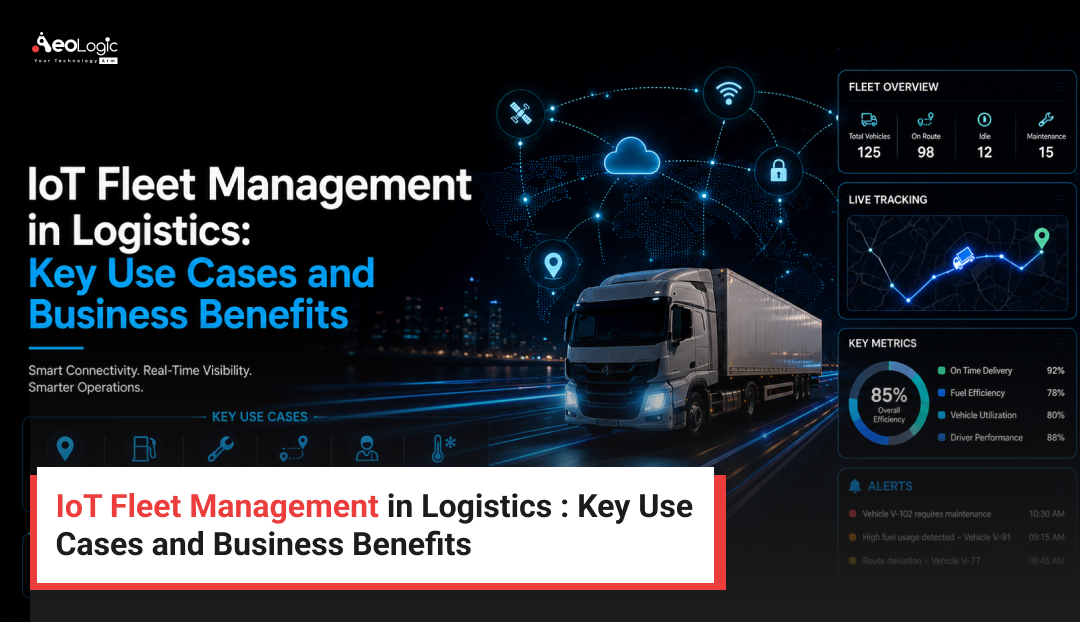
The logistics industry is experiencing a rapid digital transformation as companies seek innovative ways to improve operational efficiency, reduce transportation costs, and meet rising customer expectations. In today’s highly competitive market, managing fleets effectively has become a strategic priority for logistics providers, transportation companies, e-commerce businesses, and supply chain operators. Traditional fleet management methods often rely on manual processes and limited visibility, making it difficult for organizations to respond quickly to operational challenges, unexpected delays, and changing market conditions. This is where IoT Fleet Management is creating significant value. By leveraging connected sensors, telematics systems, GPS devices, cloud platforms, and real-time analytics, businesses can gain complete visibility into fleet operations and make smarter decisions based on accurate data.
The Internet of Things (IoT) enables vehicles, assets, and management systems to communicate seamlessly, creating a connected ecosystem that enhances productivity, improves safety, and optimizes resource utilization.
Understanding IoT Fleet Management
IoT Fleet Management refers to the use of interconnected devices and intelligent technologies to monitor, manage, and optimize fleet operations in real time. These systems collect data from vehicles through sensors, telematics units, GPS trackers, and onboard diagnostics tools. The collected information is transmitted to centralized cloud-based platforms where it is analyzed and converted into actionable insights for fleet managers.
Unlike conventional fleet management approaches that depend heavily on manual reporting and historical data, IoT-powered systems provide continuous visibility into vehicle performance, driver behavior, fuel consumption, route efficiency, and asset utilization. This real-time intelligence enables organizations to identify issues immediately, reduce operational inefficiencies, and improve overall fleet performance.
The growing adoption of IoT technologies is transforming fleet management from a reactive process into a proactive and predictive operation. Instead of responding to problems after they occur, organizations can anticipate maintenance requirements, optimize transportation schedules, and improve operational planning using data-driven insights.
Why Logistics Companies are Investing in IoT Fleet Management
The logistics sector faces constant pressure to improve delivery speed, reduce operating costs, and maintain high service standards. Rising fuel prices, increasing vehicle maintenance expenses, labor shortages, and growing customer expectations have made efficient fleet management more critical than ever before. Businesses can no longer rely solely on traditional management practices if they want to remain competitive.
One of the primary reasons companies invest in IoT Fleet Management is the ability to gain real-time visibility into fleet operations. When managers can monitor vehicle locations, driver activities, fuel consumption, and maintenance conditions continuously, they are better equipped to make informed decisions. This visibility helps organizations reduce downtime, improve vehicle utilization, and minimize unnecessary operational expenses.
Another major factor driving adoption is the increasing importance of customer satisfaction. Modern customers expect accurate delivery updates and complete transparency throughout the transportation process. IoT technologies enable logistics providers to offer real-time shipment tracking and proactive communication, significantly improving the customer experience while strengthening trust and loyalty.
Real-Time Vehicle Tracking and Visibility
One of the most widely adopted applications of IoT Fleet Management is real-time vehicle tracking. Through GPS-enabled devices and telematics systems, logistics companies can monitor the precise location of every vehicle within their fleet at any given moment. This level of visibility provides a comprehensive view of fleet operations and helps managers maintain control over transportation activities.
Real-time tracking enables dispatch teams to respond quickly to unexpected events such as traffic congestion, road closures, weather disruptions, or delivery delays. By having immediate access to vehicle locations, organizations can reroute drivers efficiently and minimize disruptions to delivery schedules. This capability is particularly valuable for large-scale logistics operations that manage hundreds or even thousands of vehicles simultaneously.
Route Optimization and Intelligent Transportation Planning
Transportation costs represent a significant portion of logistics expenditures, and inefficient routing can quickly impact profitability. Traditional route planning methods often fail to account for dynamic variables such as traffic congestion, weather conditions, road closures, vehicle capacity, and delivery priorities. As a result, fleets may experience unnecessary delays, increased fuel consumption, and reduced productivity.
IoT Fleet Management addresses these challenges by providing real-time route optimization capabilities. Connected vehicles continuously transmit location and operational data to centralized platforms, allowing fleet managers to monitor transportation activities and make informed routing decisions. Advanced analytics systems can process traffic updates, road conditions, and delivery schedules to recommend the most efficient routes for drivers.
As supply chains become increasingly complex, route optimization powered by IoT technology is becoming an essential capability for organizations seeking to maximize fleet productivity and maintain competitive service levels.
Fuel Management and Cost Reduction
Fuel expenses remain one of the largest operational costs for transportation and logistics companies. Even minor inefficiencies in fuel usage can result in significant financial losses when multiplied across large fleets. Consequently, controlling fuel consumption has become a major priority for organizations seeking to improve profitability and sustainability.
Through IoT Fleet Management, companies can gain detailed insights into fuel consumption patterns across their entire fleet. Connected sensors and telematics devices monitor fuel levels, engine performance, idle time, driving behavior, and route efficiency. This information allows fleet managers to identify factors contributing to excessive fuel usage and implement corrective measures.
Driver Behavior Monitoring and Safety Enhancement
Driver performance plays a crucial role in determining the efficiency, safety, and profitability of fleet operations. Unsafe driving practices can lead to accidents, vehicle damage, increased insurance costs, and operational disruptions. Monitoring driver behavior has therefore become a critical component of modern fleet management strategies.
With IoT Fleet Management, organizations can continuously monitor key driving metrics such as speed, braking patterns, acceleration rates, cornering behavior, and idle time. Advanced telematics systems collect and analyze this data, enabling fleet managers to identify risky driving habits and take proactive measures to improve safety.
By providing objective performance data, IoT systems create opportunities for targeted driver training and coaching programs. Drivers can receive feedback on their performance and adopt safer driving practices that reduce accident risks and improve fuel efficiency. Organizations can also establish performance benchmarks and reward drivers who consistently demonstrate safe and efficient driving behavior.
 Predictive Maintenance and Vehicle Health Monitoring
Vehicle breakdowns can significantly disrupt logistics operations, causing delivery delays, increased repair expenses, and customer dissatisfaction. Traditional maintenance approaches often rely on fixed schedules or reactive repairs, which may not accurately reflect the actual condition of vehicles. This can result in unnecessary maintenance activities or unexpected equipment failures.
IoT Fleet Management enables organizations to transition from reactive maintenance strategies to predictive maintenance models. Connected sensors continuously monitor vehicle health indicators such as engine temperature, oil pressure, battery performance, tire condition, brake wear, and fuel system efficiency. This data is analyzed in real time to identify potential mechanical issues before they escalate into major failures.
Asset Tracking and Utilization Management
Logistics operations involve more than just vehicles. Organizations also manage valuable assets such as trailers, containers, pallets, equipment, and cargo units that must be tracked and utilized effectively. Limited visibility into asset locations and usage can result in losses, inefficiencies, and unnecessary replacement costs.
Through IoT-enabled asset tracking solutions, businesses can monitor the movement and status of critical assets in real time. GPS devices, RFID tags, and connected sensors provide continuous visibility into asset locations, helping organizations maintain control over their resources throughout the supply chain.
Enhancing Customer Satisfaction Through Real-Time Visibility
Customer expectations have evolved significantly in recent years, particularly with the growth of e-commerce and on-demand delivery services. Modern customers expect timely deliveries, accurate shipment updates, and complete transparency throughout the transportation process. Meeting these expectations requires logistics providers to maintain high levels of operational visibility.
IoT Fleet Management enables organizations to provide real-time delivery information through connected tracking systems. Customers can access shipment status updates, estimated arrival times, and location data throughout the delivery journey. This transparency reduces uncertainty and improves customer confidence in logistics services.
Real-time visibility also allows organizations to communicate proactively when delays occur. Rather than waiting for customers to report issues, businesses can notify them immediately and provide revised delivery schedules. Such proactive communication helps maintain trust and strengthens customer relationships.
Regulatory Compliance and Operational Transparency
Transportation and logistics companies must comply with numerous regulations governing vehicle safety, driver working hours, environmental standards, and operational reporting. Managing compliance manually can be time-consuming and prone to errors, particularly for organizations operating large fleets across multiple regions.
IoT-based fleet management systems simplify compliance processes by automatically collecting and recording operational data. Vehicle inspections, maintenance records, driver activity logs, and performance metrics can all be stored digitally and accessed whenever required. This improves accuracy while reducing administrative burdens.
Business Benefits of IoT Fleet Management
The adoption of IoT Fleet Management delivers significant business value across multiple areas of logistics operations. One of the most notable benefits is enhanced operational efficiency. Real-time data allows organizations to identify inefficiencies, optimize workflows, and make faster decisions that improve overall productivity.
Cost reduction is another major advantage. By improving fuel efficiency, reducing maintenance expenses, minimizing downtime, and optimizing asset utilization, IoT systems generate measurable financial savings. These improvements contribute directly to increased profitability and stronger business performance.
In addition, IoT technologies support sustainability initiatives by reducing fuel consumption and lowering carbon emissions. As environmental responsibility becomes an increasingly important consideration for businesses and customers alike, IoT-enabled fleet management solutions can help organizations achieve their sustainability goals while maintaining operational efficiency.
Industry Applications of IoT Fleet Management
The adoption of IoT Fleet Management is rapidly increasing across various industries because of its ability to improve visibility, operational efficiency, and asset utilization. Different sectors face unique transportation challenges, and IoT technology provides customized solutions that address these requirements while supporting business growth.
In the e-commerce industry, fleet management plays a critical role in ensuring timely deliveries and maintaining customer satisfaction. The growing demand for same-day and next-day delivery services has increased pressure on logistics providers to optimize transportation operations. IoT-enabled fleet solutions allow businesses to monitor vehicle locations in real time, track delivery progress, optimize routes, and communicate accurate delivery updates to customers. These capabilities help e-commerce companies improve delivery performance while reducing operational costs.
The food and beverage industry also benefits significantly from IoT Fleet Management. Many food products require controlled transportation conditions to maintain quality and comply with safety regulations. Connected temperature sensors enable organizations to monitor environmental conditions throughout transit and receive immediate alerts if temperature thresholds are exceeded. This ensures product quality, reduces spoilage, and helps businesses maintain regulatory compliance.
In pharmaceutical logistics, maintaining product integrity is even more critical. Vaccines, medicines, and other healthcare products often require strict temperature control during transportation. IoT-enabled monitoring systems provide continuous visibility into shipment conditions, helping organizations prevent losses and ensure compliance with healthcare regulations. Real-time tracking also improves supply chain transparency and supports better inventory management.
Construction and heavy equipment companies rely on large fleets of vehicles and machinery that operate across multiple job sites. Managing these assets effectively can be challenging without accurate visibility into equipment location and utilization. IoT fleet solutions help organizations monitor asset movements, schedule maintenance activities, and optimize equipment usage. This improves productivity while reducing unnecessary operational expenses.
Third-party logistics providers, commonly known as 3PL companies, also leverage IoT technologies to deliver superior transportation services. Real-time tracking, route optimization, and performance analytics enable 3PL providers to improve operational efficiency and meet customer expectations. As clients increasingly demand visibility into shipment status and delivery performance, IoT has become a key competitive differentiator for logistics service providers.
Challenges in Implementing IoT Fleet Management
Although the benefits of IoT Fleet Management are substantial, successful implementation requires careful planning and execution. Organizations often encounter several challenges that must be addressed to maximize the value of their investments.
One of the most common challenges is the initial cost of deployment. Implementing IoT solutions typically involves investments in sensors, telematics devices, communication infrastructure, cloud platforms, and software integration. While these costs are often justified by long-term savings and operational improvements, businesses must evaluate return-on-investment expectations and develop a clear implementation roadmap.
Data security represents another important consideration. Connected vehicles and devices generate large volumes of operational data that may contain sensitive business information. Without proper cybersecurity measures, organizations may be exposed to risks such as unauthorized access, data breaches, and cyberattacks. To address these concerns, businesses must implement secure communication protocols, encryption technologies, and access control mechanisms that protect critical information.
System integration can also present challenges, particularly for organizations operating legacy infrastructure. Many logistics companies use multiple enterprise applications, including ERP systems, transportation management systems, warehouse management platforms, and customer relationship management solutions. Integrating IoT technologies with existing systems requires careful planning to ensure seamless data exchange and operational continuity.
Another challenge involves managing and analyzing large volumes of data. IoT devices generate continuous streams of information that must be processed and converted into actionable insights. Without advanced analytics capabilities, organizations may struggle to extract meaningful value from their data. Investing in data management and business intelligence solutions is therefore essential for maximizing the benefits of IoT deployments.
Future Trends Shaping IoT Fleet Management
The future of IoT Fleet Management is being shaped by emerging technologies that promise even greater levels of automation, intelligence, and operational efficiency. As digital transformation accelerates across the logistics industry, organizations are increasingly exploring innovative solutions that extend the capabilities of connected fleet systems.
Artificial intelligence is expected to play a major role in the evolution of fleet management. AI-powered analytics platforms can process vast amounts of operational data and generate predictive insights that support proactive decision-making. These systems can forecast maintenance requirements, optimize transportation routes, predict fuel consumption patterns, and identify operational inefficiencies before they impact business performance.
Machine learning technologies are also enhancing fleet management capabilities. By continuously analyzing historical and real-time data, machine learning algorithms can improve forecasting accuracy and support intelligent automation. Over time, these systems become more effective at identifying patterns and recommending actions that improve operational outcomes.
Digital twin technology is another emerging trend gaining attention within the logistics sector. A digital twin is a virtual representation of a physical asset, vehicle, or operational process. By creating digital replicas of fleet operations, organizations can simulate different scenarios, evaluate performance, and test optimization strategies before implementing them in the real world. This reduces risk while supporting more informed decision-making.
Conclusion
IoT Fleet Management has emerged as one of the most transformative innovations in modern logistics. By connecting vehicles, drivers, assets, and enterprise systems through intelligent IoT technologies, organizations gain unprecedented visibility into fleet operations and can make proactive decisions based on real-time information. From route optimization and fuel management to predictive maintenance and driver safety monitoring, IoT solutions deliver measurable improvements across every aspect of transportation management.
For businesses looking to modernize their logistics operations, investing in a robust IoT fleet management solution is a strategic step toward long-term success. At Aeologic Technologies, we help organizations leverage advanced IoT solutions to gain real-time fleet visibility, optimize transportation operations, improve asset utilization, and drive data-driven decision-making. Whether you are managing a small fleet or a large transportation network, our customized IoT solutions can help you enhance efficiency, reduce costs, and build a smarter, more connected logistics ecosystem.
Frequently Asked Questions
Q1. What is IoT Fleet Management?
IoT Fleet Management refers to the use of connected sensors, telematics devices, GPS tracking systems, cloud platforms, and analytics tools to monitor, manage, and optimize fleet operations in real time. These technologies provide visibility into vehicle performance, driver behavior, fuel consumption, maintenance requirements, and asset utilization.
Q2. How does IoT Fleet Management improve logistics operations?
IoT enables logistics companies to collect and analyze real-time operational data. This helps improve route planning, reduce fuel consumption, monitor vehicle health, enhance driver safety, optimize asset utilization, and provide accurate delivery updates to customers.
Q3. Can IoT Fleet Management reduce operational costs?
Yes. IoT solutions help reduce costs by improving fuel efficiency, minimizing vehicle downtime, enabling predictive maintenance, optimizing routes, reducing unauthorized asset usage, and enhancing overall operational efficiency.
Q4. Is IoT Fleet Management suitable for small businesses?
Modern IoT fleet management platforms are highly scalable and can be implemented by organizations of all sizes. Small businesses can benefit from improved visibility, cost savings, and operational control without requiring large infrastructure investments.
Q5. What industries benefit from IoT Fleet Management?
Industries including logistics, transportation, e-commerce, food and beverage distribution, pharmaceuticals, construction, manufacturing, and third-party logistics providers can all benefit from IoT-enabled fleet management solutions.

I’m a Software Developer with 9 years of experience building scalable web and mobile applications. Currently focused on React.js and React Native, I specialize in creating high-performance, user-friendly interfaces that drive business outcomes.
My background spans cross-platform development using Flutter, and native Android development, giving me a strong understanding of the entire mobile ecosystem. I’ve contributed to products in EdTech, Healthcare, and Enterprise SaaS—helping scale apps to 100K+ users and improving performance, reliability, and user engagement.
I’m passionate about clean architecture, modular design, and seamless user experiences. Whether it’s setting up robust state management with Redux Toolkit, optimizing API integrations with GraphQL/REST, or automating workflows with CI/CD pipelines (GitHub Actions)—I focus on writing maintainable code and delivering value to both users and stakeholders.