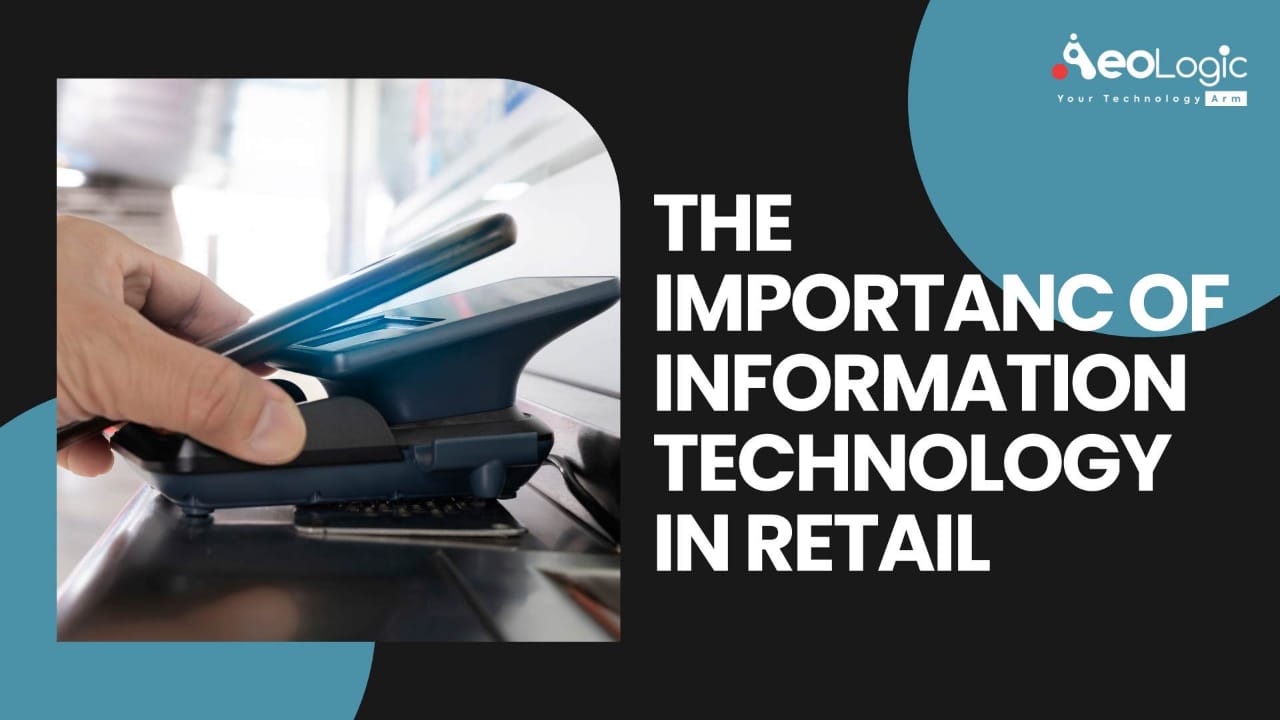
The retail sector deals with constant technological advancements. This is evident both in brick ‘n’ mortar stores and online. From the increased use of kiosks to the implementation of artificial intelligence and powerful warehouse management systems, technology continues to escalate. The role of IT in retail is enhancing the customer experience. And offers assistance to retailers across industries with more efficient ways to conduct operations. As well as helps in simplifying certain processes, gaining insight into consumers, keeping track of inventory, and so on. Therefore, one type of technology that can achieve this, is information technology. Information technology in retail can do wonders for businesses as well as for customers.
Also read : Retail Digital Transformation Trends Driving Growth
What is Information Technology in Retail?
Information technology in retail refers to the use of digital systems, software, hardware, networks, databases, and automation tools to manage retail operations efficiently. These technologies help retailers collect, process, analyze, and store large amounts of data while improving decision-making and operational performance.
Retail businesses generate enormous amounts of information every day, including sales transactions, customer preferences, inventory levels, supplier details, payment records, and logistics data. Managing such information manually becomes difficult and inefficient. Information technology enables retailers to organize this data and convert it into actionable insights.
Retail IT systems are widely used for:
- Inventory management
- Point-of-sale operations
- Customer relationship management
- Demand forecasting
- Supply chain monitoring
- Digital payments
- Loyalty programs
- Marketing automation
- Analytics and reporting
The role of information technology in retail has expanded beyond administrative support to become a strategic driver of growth and innovation.
Why Information Technology in Retail Is Important?
The retail sector operates in a highly competitive environment where consumer preferences change rapidly. Businesses need accurate insights and faster responses to market trends. Information technology helps retailers make informed decisions while improving customer experiences.
Retailers implementing advanced IT solutions often experience:
Improved operational efficiency, reduced costs, better inventory control, increased customer satisfaction, enhanced security, faster checkout processes, and stronger customer retention rates.
For example, retailers can identify purchasing trends using historical sales data and adjust inventory accordingly. Similarly, personalized recommendations generated through AI can encourage repeat purchases and improve customer loyalty.
Modern consumers expect convenience. Information technology in retail enables businesses to provide omnichannel experiences where customers can browse online, purchase through mobile apps, and collect products from physical stores.
 Electric Point of Sale Software
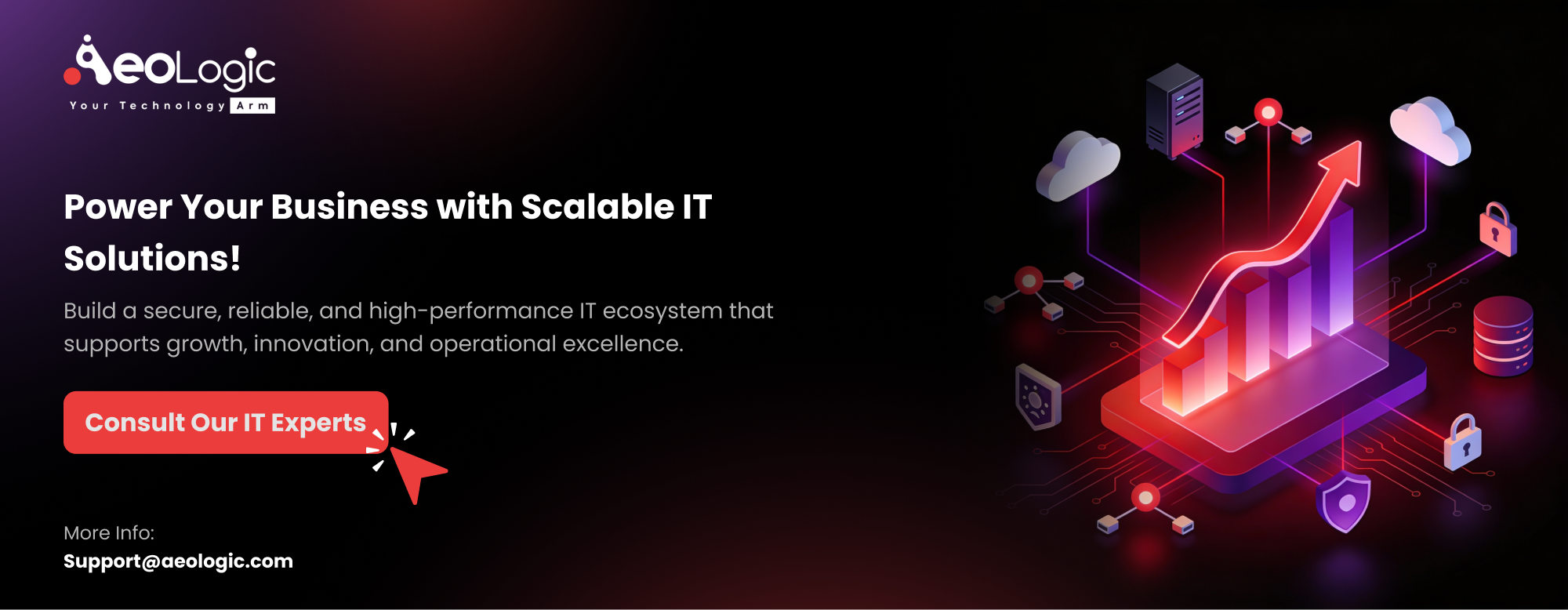
The major leverages of the role of IT in retail settings are that many of the software and systems utilize automation. For retailers who want to stand out, automation can be extremely handy. Specifically, when inputting and/or collecting data. An example of software that uses automation is an electronic point of sale (EPOS). This system electronically performs business-related tasks.
Such as the checkout process (i.e., scanning, payments, etc.), account management, managing in-store inventory, and more. Through this software and technology, processes can become much more efficient. Depending on digital technology to track and store data that can be later turned into valuable pieces of information. Which the retailer can use later on.
Also read: 10 Technologies Leading Digital Transformation In Retail
RFID in Retail: Improving Inventory Visibility and Traceability
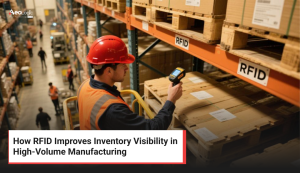
One of the most impactful innovations in information technology in retail is Radio Frequency Identification (RFID). RFID technology uses electromagnetic fields to identify and track tagged products automatically.
Unlike traditional barcode systems requiring direct scanning, RFID tags can be read remotely, allowing retailers to monitor inventory in real time.
Retailers often struggle with stock inaccuracies, misplaced products, and inventory losses. RFID technology addresses these challenges by providing accurate product visibility throughout the supply chain.
Benefits of RFID in retail include:
Improved inventory accuracy, faster stock counting, reduced shrinkage, better warehouse management, enhanced customer satisfaction, and improved traceability.
Large retailers increasingly use RFID-enabled smart shelves that automatically detect stock levels and notify staff when replenishment is needed.
RFID also supports omnichannel retail strategies by helping businesses synchronize online and offline inventory data.
As sustainability and transparency become priorities, RFID helps retailers trace products throughout their lifecycle and improve supply chain visibility.
AI-Powered Inventory Management in Retail
Artificial Intelligence is revolutionizing inventory management by enabling retailers to predict consumer demand more accurately.
Traditional inventory planning often relied on assumptions and historical averages. AI systems analyze massive datasets including seasonal patterns, promotions, purchasing behavior, weather conditions, and market trends to forecast future demand.
AI-powered inventory systems help retailers:
Reduce overstocking, prevent stockouts, optimize warehouse space, improve procurement decisions, and minimize losses.
For example, if AI predicts increased demand for specific products during festivals or seasonal events, retailers can adjust inventory proactively.
Machine learning algorithms continuously improve predictions over time, enabling more accurate decision-making. AI-driven inventory management significantly increases operational efficiency and reduces unnecessary expenses.
Inventory Prediction and Demand Forecasting
Demand forecasting is a significant aspect of the retail industry. Since it is used to assist retailers to understand and forecast the future demand for their products. It does so by utilizing historical patterns, along with internal and external decisions and factors. Correspondingly, inventory prediction enables retailers to have a better knowledge of their inventory levels. So, they can reorder accordingly. For example, let’s consider that an item is extremely popular.
Retailers can then use the data from previous purchases to study how many items they need to order. Hence, they can manage the inventory. Both inventory prediction and demand forecasting require various technology, such as machine learning and data. In order to work effectively. Implementing the role of IT in retail, such as within supply chain management, can help retailers regularly. It will help to determine purchasing trends and make accurate forecasts accordingly.

Collection of Consumer Data
The information is collected when a customer makes a purchase from a retailer. For example, many customers will provide their email addresses to receive special deals or insight into new products. As well as they will sign up for loyalty programs.
The process of inputting this data and then storing it securely requires the use of IT. Collecting consumer data can prove to be extremely beneficial. As it can be used to create a personalized shopping experience for customers.
IT helps to store customer data, which the retailer can then use to reach out to customers. Through email with personalized offers or with mail offers. And when at the check-out process, retailers can search up the customer’s information to make their experience efficient and quick.
Also read: Why Fashion Industry Invests in Traceability to be Sustainable
Automation in Retail Operations
Automating retail is beneficial on multiple situations including streamlining operations, perfecting effectiveness, enhancing client experiences, and enabling retailers to acclimatize to evolving market dynamics. It empowers retailers to allocate resources more effectively, reduce costs, and give substantiated services, eventually driving client satisfaction and loyalty.
By employing automation to help with inventory operation, supply chain logistics, and order fulfillment, the overall effectiveness improves by reducing manual mistakes and time consuming tasks and optimizing overall operations. Retailers can automate repetitious tasks like data entry, stock loss, and pricing, allowing workers to concentrate on further strategic and client centric conditioning.
We offer automation solutions which helps in automating the labour intensive task of streamlining pricing. A job that earlier could take days can be performed seamlessly in a matter of seconds, with both confidence and accuracy. With a completely customizable integration into the POS, switching pricing and introducing new elevations on the shelves takes place with further effectiveness and control.
Also read: How IoT in Retail is Reshaping the Retail Industry
Self-Checkout Technology Transforming Retail
Self-checkout systems are reshaping customer experiences in physical stores.
Consumers increasingly prefer faster checkout options that reduce waiting times and offer greater convenience.
Modern self-checkout technologies integrate:
Touchscreen interfaces, barcode scanners, digital payments, contactless transactions, and AI-powered monitoring systems.
Benefits include:
Reduced queues, lower labor costs, improved efficiency, and enhanced customer satisfaction.
Advanced retail environments are moving toward cashier-less stores powered by artificial intelligence and computer vision technologies.
These innovations represent the future of retail operations.
Future of Information Technology in Retail
The future of information technology in retail will likely be shaped by artificial intelligence, machine learning, Internet of Things, augmented reality, blockchain, robotics, and advanced analytics.
Emerging innovations may include:
Autonomous stores, hyper-personalized experiences, predictive supply chains, smart shelves, and immersive shopping experiences.
Retail businesses embracing technology early will be better positioned to adapt to changing consumer expectations.
Conclusion
The importance of information technology in retail continues to increase as businesses navigate changing consumer expectations and growing competition. Technology has evolved beyond supporting retail operations and now plays a central role in improving customer experiences, increasing efficiency, optimizing inventory, automating processes, and driving profitability.
As retailers accelerate their digital transformation journey, partnering with experienced technology providers becomes essential for successful implementation. AeoLogic Technologies helps retail businesses leverage advanced IT solutions including AI, automation, RFID, inventory management systems, and digital transformation strategies to optimize operations, improve customer engagement, and drive long-term business growth.
FAQs
Q1. How is IT used in the retail industry?
Information technology in retail is used to manage inventory, process payments, analyze customer behavior, automate operations, improve supply chain efficiency, and provide personalized shopping experiences through digital systems and software.
Q2. What technology is used in modern retail?
Modern retail uses AI, RFID, cloud computing, IoT, CRM systems, POS software, automation tools, predictive analytics, self-checkout systems, and digital payment technologies to improve operations and customer experiences.
Q3. How does RFID help retail inventory management?
RFID improves inventory accuracy by enabling real-time product tracking, reducing stock errors, preventing losses, and helping retailers manage inventory levels more efficiently across stores and warehouses.
Q4. What is omnichannel retailing technology?
Omnichannel retailing technology connects online stores, mobile apps, physical outlets, and customer data systems to deliver a seamless shopping experience across multiple sales channels.
Q5. How is AI changing the retail sector in India?
AI is transforming Indian retail through demand forecasting, personalized recommendations, automated inventory management, chatbots, pricing optimization, and improved customer engagement across digital platforms.