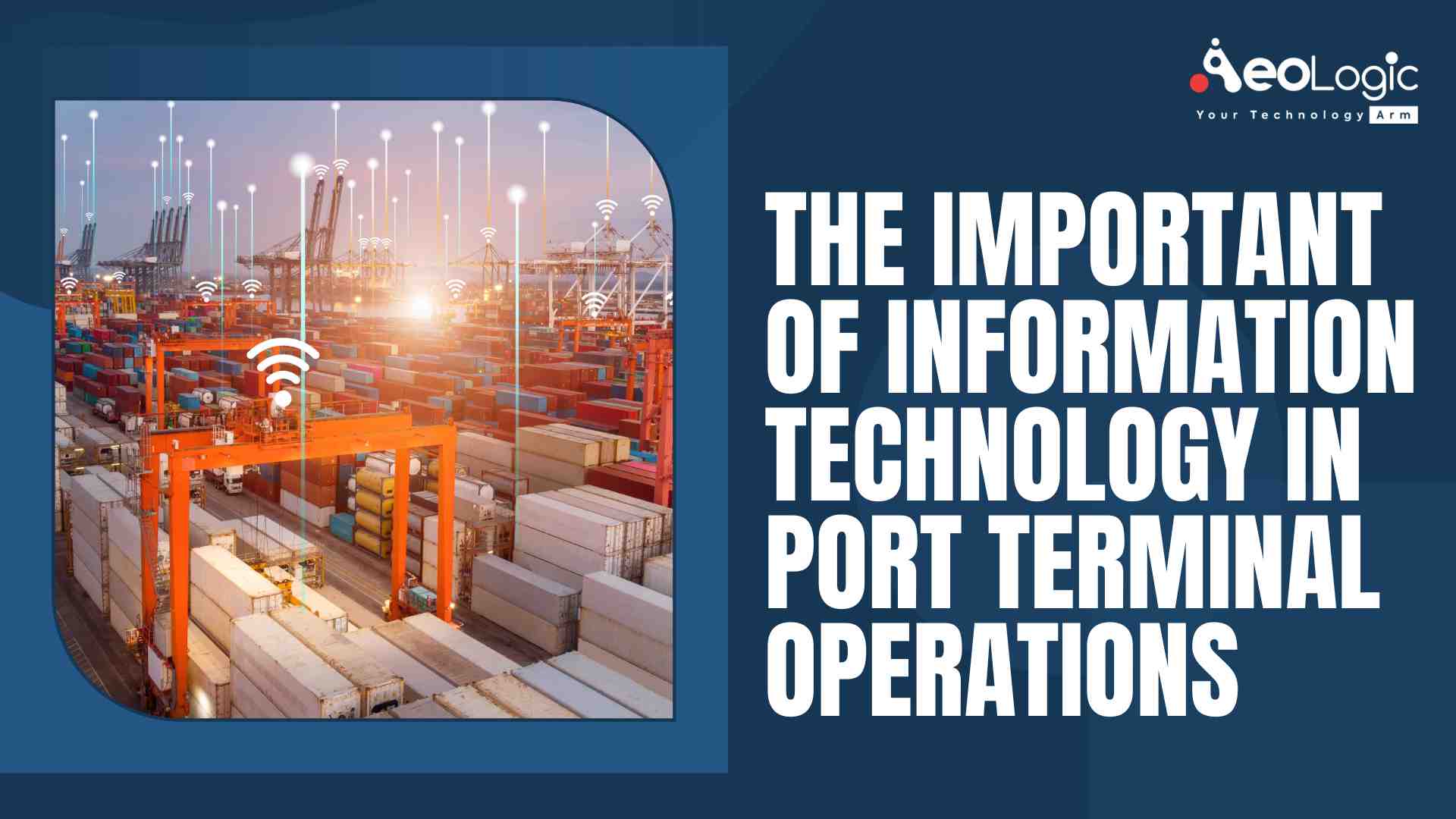
The Importance of IT in Port Terminal operations has grown exponentially in recent years as global trade continues to expand and logistics networks become more complex. Ports are no longer just transit hubs—they are highly sophisticated ecosystems where cargo, vessels, vehicles, and data must move seamlessly in real time.
Managing such complexity manually is nearly impossible. This is where Information Technology (IT) plays a transformative role. From automating workflows to enabling real-time visibility and predictive analytics, IT empowers port terminals to operate with greater efficiency, safety, and profitability.
Let’s begin!
Table of contents
- What is Port Terminal Operations?
- The Benefits of IT in Port Terminal Operations
- How to Implementing IT solutions in ports Terminal Operations
- Port Terminals are Extremely Reliant on Technology
- Conclusion
Also see: Our RFID Solutions
What is Port Terminal Operations?
Port terminal operations refer to the processes involved in handling cargo from arrival to final dispatch. These operations are broadly divided into:
1. Receiving Operations
- Cargo unloading from ships
- Inspection and verification
- Sorting and storage
- Inventory updates
2. Shipping Operations
- Loading cargo onto vessels, trucks, or rail
- Documentation and customs clearance
- Dispatch to final destinations
These processes require coordination between multiple stakeholders including shipping companies, logistics providers, customs authorities, and port operators. Without IT systems, managing this coordination efficiently would be extremely difficult.
Also Read: Why Is CRM Software a Game-changer When It Comes to Delivering Better Customer Experiences?
The Importance of IT in Port Terminal Operations
The Importance of IT in Port Terminal operations lies in its ability to streamline complex workflows, reduce human errors, and provide real-time insights into operations.
Modern ports rely on IT systems such as:
- Terminal Operating Systems (TOS)
- Warehouse Management Systems (WMS)
- Transportation Management Systems (TMS)
- AI-powered analytics platforms
These systems ensure smooth coordination across departments and stakeholders while enabling data-driven decision-making.
 Key Benefits of IT in Port Terminal Operations
Enhance Efficiency in Port Terminal Operations
The use of information technology can help to increase efficiency in port terminal operations. Efficiency refers to the ability of an organization or system to produce goods and services with minimum input and waste while meeting customer needs at an affordable price. In other words, it’s a measure of how well an organization performs its tasks or whether they’re operating efficiently.
Information technology has played an important role in making ports more efficient since its inception over 100 years ago; however, today’s technology has made it possible for us to do much more than just automate our processes through automation software.
We have access nowadays to various types of mobile devices like smartphones that allow us not only to communicate but also to share files across our networks without having anything installed locally on any device.
This allows us maximum flexibility when working remotely from anywhere around the world because we don’t need any physical presence anymore just like how email works today where you send emails from anywhere around the world instantly without requiring any additional hardware setup beforehand.”
Also Read: 10 Ways to Use Artificial Intelligence to Improve Business Processes
Improve performance and productivity
Information technology (IT) can improve performance and productivity. IT helps with efficiency, quality, and safety. It also helps with customer service, communication, and collaboration between departments within a port terminal operations facility.
Enhance Customer Experience
Customers expect a smooth, easy experience when they interact with your company. This means that you need to make sure that customers can easily find information about their shipments and track them as they come through the port terminal. In addition, it’s important that your customers have access to information such as:
- How much time it will take them to receive their package(s) once it has left the dock or warehouse.
- What type of carrier is being used (airplane, truck, or rail)
- Whether there are any delays in receiving their packages.
Improve Safety and Security
One of the most important aspects of technology is its ability to improve safety and security. This means that using technology can help prevent accidents, theft and other crimes, pollution, and damage to equipment.
For example:
- Information technology helps you monitor your operations more efficiently by allowing you to track where vehicles are located at any given time. This makes it easier for you to spot potential problems before they occur (for example, if a driver has gone on vacation).
- You’ll also have access to information about how long it takes them from one end of the terminal complex until they reach their destination.
Also Read: The Role of AI in Education And Learning: Just Promises Or Revolution
Smart Port Technology: The Future of Ports
Smart ports represent the next evolution in port operations, driven by digital transformation and advanced technologies.
What is a Smart Port?
A smart port uses technologies like:
- Artificial Intelligence (AI)
- Internet of Things (IoT)
- Big Data Analytics
- Automation and Robotics
to optimize operations and improve efficiency.
RFID for Container Tracking in Ports
RFID (Radio Frequency Identification) is a critical technology in port terminal operations.
How RFID Works:
RFID systems use:
- Tags attached to containers
- Readers placed at checkpoints
to track cargo movement in real time.
India’s Port Digitalization: Sagarmala Initiative
India is rapidly transforming its port infrastructure through the Sagarmala Project, a flagship initiative by the Government of India.
What is Sagarmala?
Sagarmala aims to:
- Modernize port infrastructure
- Improve connectivity
- Promote port-led industrialization
Role of IT in Sagarmala
IT plays a central role in:
- Port automation
- Digital documentation
- Logistics optimization
Key Digital Initiatives in Indian Ports
- Port Community Systems (PCS)
- RFID-based container tracking
- AI-driven analytics
- Smart logistics platforms
Impact of Digitalization
- Reduced turnaround time
- Increased efficiency
- Enhanced global competitiveness
India’s focus on digital transformation is positioning its ports as major global trade hubs.
How to Implementing IT solutions in ports Terminal Operations
The benefits of IT in port terminal operations are numerous. They can improve the efficiency, safety, and security of the port, as well as its overall productivity.
In addition to these benefits, IT can also help increase the profitability of port terminals through better management of resources and more effective logistics operations.
The key elements involved in implementing IT solutions in ports include:
Planning & Analysis:
The planning phase involves identifying the current state of affairs at the port terminal, and determining what is required to achieve desired outcomes. This includes identifying what resources are available and what needs to be purchased or developed by using existing assets.
Also Read: How RFID Tagging is Revolutionizing the Jewelry Industry
Designing & Development:
This involves creating a detailed plan that outlines all aspects of the project including timelines, budgets, and requirements from different stakeholders involved in implementing the project like engineering teams, etc. It also includes designing an appropriate system architecture based on specific requirements from different stakeholders involved such as management teams etc.. Thereafter comes development which involves developing a detailed software solution based on specifications provided by the client etc.
Implementation & Testing:
Implementation involves installing and configuring the solution on the client’s environment. It also includes the migration of data from existing systems to new systems. Testing is a critical step that involves testing certain key functionalities to ensure they are working as per specifications provided by the client etc.
Also Read: How Modern Technology is Improving Food Supply Chain
Go-live:
The final step of the software development process is go-live, which involves the implementation of software solutions in the client’s environment and training users to use the new system.
Also Read: 10 Ways to Use Artificial Intelligence to Improve Business Processes
Port Terminals are Extremely Reliant on Technology
Even though the technology is important in every industry, it is especially vital for port terminals. Port terminals are responsible for receiving and storing cargo that is shipped from all over the world. They also process these goods into finished products or raw materials before they are shipped to their final destination. The importance of using technology to improve efficiency, safety, and security cannot be understated here.
Conclusion
The Importance of IT in Port Terminal operations cannot be overstated. As global trade continues to grow, ports must adopt advanced technologies to remain efficient, secure, and competitive. From IoT sensors and RFID tracking to smart port technologies and national initiatives like Sagarmala, IT is transforming every aspect of port operations.
Organizations that invest in IT today will be better positioned to handle future challenges, improve customer satisfaction, and achieve long-term growth. Partnering with experienced technology providers like Aeologic Technologies can further accelerate this transformation by delivering tailored, scalable, and future-ready digital solutions for modern port ecosystems.
PYQs
- How AI/ML Can Change the Public Transportation Industry
- Transforming Business With Digital Technology in the Oil Palm Industry in India
- Importance of Digital Asset Management in the Retail Industry
- How AI is Transforming the Agriculture Industry
- 10 Ways to Use Artificial Intelligence to Improve Business Processes
- The Future of IoT Technology in Convenience Stores
- Building Manufacturing Resilience Through AI and ML
Talk to us for a free consultation with our industry experts- support@aeologic.com

I’m Deepika Pandey, an SEO strategist and content writer with 6+ years of experience. I create SEO-friendly content that drives traffic and engages readers. I combine data insights with creativity to help businesses grow their online presence effectively.