In a world where natural disasters are an increasingly prominent threat, the role of science and technology in disaster management is paramount. Ensuring that rescue teams, medical professionals, and other emergency response workers have the tools they need to keep themselves and those around them safe is vital.
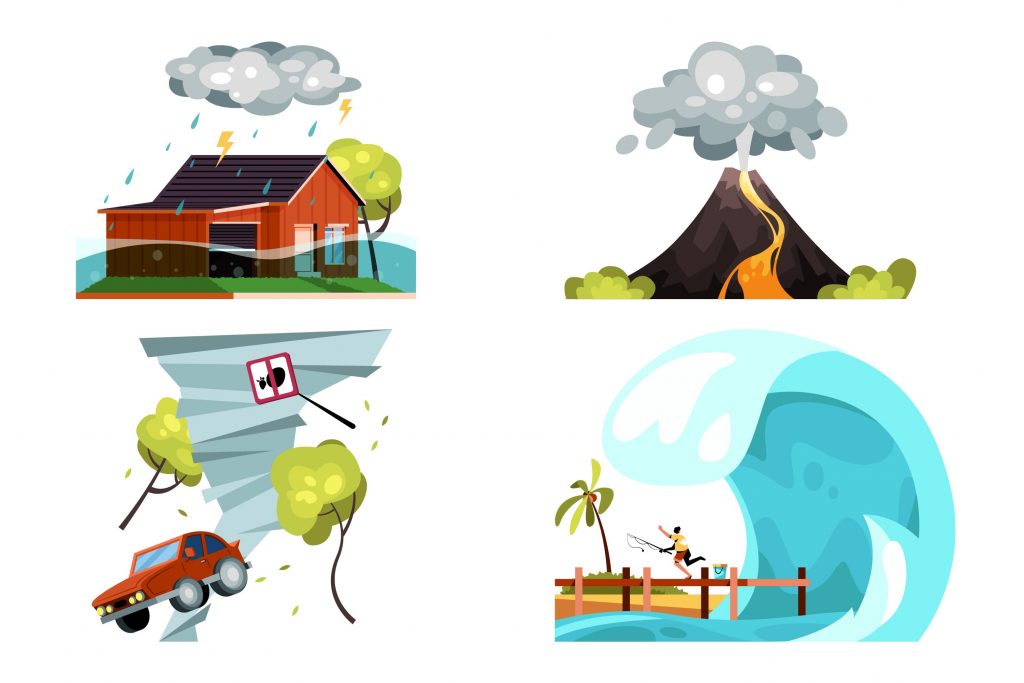
Natural disasters are one of the worst catastrophes that can befall a region. It can destroy homes and crops, affect the environment, and cause injury, and even death to people in the area. These events are often unpredictable but thanks to modern science and technology, we have found ways to create a system that can help our country deal with natural disasters in an effective manner.
The article is about how science and technology play a critical role in disaster management.
Also Read: Importance of Information Technology in Today’s World
Science and Technology in Disaster Management
Science and technology play an important role in disaster management. It helps us to better understand the causes of disasters and how to prepare for and respond to them. It also helps us to monitor and predict the impacts of disasters, so that we can reduce their impact on people and communities.
Science and technology can help us to:
- better understand the causes of disasters
- prepare for and respond to disasters
- monitor and predict the impacts of disasters
- reduce the impact of disasters on people and communities
Importance of Science and Technology in Disaster Management
Science and technology play an important role in disaster management because they can be used to predict and monitor potential disasters, as well as to develop strategies for responding to and mitigating the impacts of disasters.
In the past, science and technology have been used to predict and monitor natural disasters such as earthquakes, hurricanes, and floods. By understanding the patterns of these events, scientists and engineers have been able to develop warning systems that give people time to evacuate or take other safety precautions.
Science and technology have also been used to develop better methods for responding to and mitigating the impacts of disasters. For example, advances in communications technologies have allowed first responders to coordinate their efforts more effectively during emergencies.
As we continue to face the threats of natural and man-made disasters, science and technology will play an increasingly important role in helping us manage these risks.
Also Read: The Importance of Mobile App Testing and Quality Assurance
 Scope of the Disaster Management
The role of science and technology in disaster management has been evolving rapidly in recent years. New technologies are being developed and deployed at an increasing pace, and scientific knowledge about disasters is advancing quickly.
The scope of the disaster management field has also expanded significantly. In the past, disaster management generally focused on responding to and recovering from natural disasters such as hurricanes and earthquakes. Today, however, the field also encompasses man-made disasters such as terrorist attacks and industrial accidents. As a result, the disaster management field now includes a wide range of activities, from prevention and mitigation to response and recovery.
Science and technology play a critical role in all aspects of disaster management. In the prevention stage, for example, scientific research can help identify potential hazards and develop strategies to reduce the risk of them occurring.
As the scope of the disaster management field continues to expand and new technologies are developed, the role of science and technology will become even more important. Science and technology can help us better understand disasters, develop more effective ways to prevent them from occurring, respond more effectively when they do occur, and ultimately help reduce the loss of life and property that results from these events.
Checkout our trending blog: The Role of AI in Shaping the Future of Education Industry
Role of Science and Technology Plays in Disaster
- Preparation
- Response
- Recovery
- and Mitigation
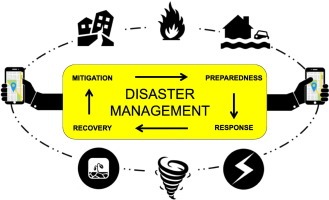
Science and technology play an important role in disaster management by providing information and tools that can be used to prepare for, respond to, recover from, and mitigate the effects of disasters.
Disaster management is the process of planning, coordinating, and executing activities to reduce the impact of a disaster. Science and technology can provide information and tools that can be used at each stage of the disaster management process.
Preparation: Science and technology can be used to identify potential hazards and develop plans and procedures for dealing with them. For example, computer modeling can be used to predict the path of a hurricane or the spread of a wildfire. This information can help emergency responders plan their response and evacuation efforts.
Response: Science and technology can also be used during a disaster to assist emergency responders. For example, satellite imagery can be used to assess damage after a hurricane or earthquake. GPS tracking can be used to locate people who are stranded or lost. And mobile apps can provide real-time updates on conditions in affected areas.
Recovery: After a disaster has occurred, science and technology can help with the recovery effort. For example, Geographic Information Systems (GIS) can be used to map damage from a hurricane or earthquake. This information can help aid workers identify areas that need assistance.
Mitigation: Finally, science and technology can be used to mitigate the effects of future disasters. For example, engineering can be used to design structures that are resistant to earthquakes or hurricanes. And disaster risk reduction plans can be developed that take into account the potential impact of climate change.
Do you know? Top 10 Traceability Companies in India in 2025
Advanced Technologies Transforming Disaster Management
AI Early Warning Systems
Artificial Intelligence is revolutionizing disaster prediction. AI models analyze vast datasets from weather systems, seismic activity, and ocean patterns to provide early warnings.
These systems can:
- Predict floods and cyclones
- Detect earthquake patterns
- Identify high-risk zones
Drone Disaster Response
Drones are now widely used in disaster-hit areas for:
- Damage assessment
- Search and rescue operations
- Delivering medical supplies
They can access remote or dangerous locations where human entry is difficult.
IoT Flood Sensors
IoT-based flood monitoring systems use sensors placed in rivers and dams to track water levels in real time.
Benefits:
- Early flood alerts
- Real-time monitoring
- Automated warning systems
Satellite Imagery for Disaster Mapping
Satellite technology provides a bird’s-eye view of disaster zones.
It helps in:
- Mapping affected areas
- Tracking disaster progression
- Planning relief operations
Disaster Management in India: Role of Technology and NDMA
In India, disaster management has significantly improved with the adoption of advanced technologies led by the National Disaster Management Authority.
Key Initiatives:
- Cyclone early warning systems
- Flood forecasting using AI
- Satellite-based monitoring
- Mobile alert systems
India has successfully reduced casualties in disasters like cyclones through timely warnings and efficient evacuation strategies.
Technology Resources for Disaster Management
In recent years, there has been an increasing emphasis on the role of science and technology in disaster management. This is due to the fact that technology can play a vital role in mitigating and managing the effects of disasters.
There are a number of different technology resources that can be used for disaster management.
Another important technology resource is GIS (geographic information system). GIS can be used to create detailed maps of an area affected by a disaster. This information can be used to identify safe routes for evacuation, as well as potential locations for relief camps. The capability to analyze data in real time has transformed disaster response strategies. Technologies such as Geographic Information Systems (GIS) and satellite imagery provide detailed visualizations of disaster zones, facilitating more effective decision-making and resource allocation. For instance, during Hurricane Harvey in 2017, responders used GIS to map flooded areas and track water levels in real-time, directing rescue operations more efficiently and safely. The integration of AI and machine learning further enhances this by predicting disaster trends and potential secondary hazards, like landslides after heavy rains.
Other useful technology resources include weather forecasting systems and early warning systems. These systems can provide critical information about impending disasters, which can help people take appropriate precautions.
Also Read: IoT in Agriculture: Cultivating Productivity with Smart Farming
Top Technologies Revolutionizing Disaster Response
As disasters become more frequent and severe due to factors like climate change and urbanization, technology has become indispensable in saving lives and mitigating impacts.
Mobile Technology for Coordination
One of the most impactful technologies in disaster response is mobile technology. Mobile devices enable real-time communication between responders and affected populations. For example, text messaging services have been used extensively to alert individuals about impending dangers or to provide crucial information post-disaster. A telling statistic is that during the 2011 earthquake and tsunami in Japan, mobile communication systems helped to locate and rescue approximately 20,000 stranded people by coordinating efforts among multiple agencies swiftly.
Drones and Robots in Search and Rescue
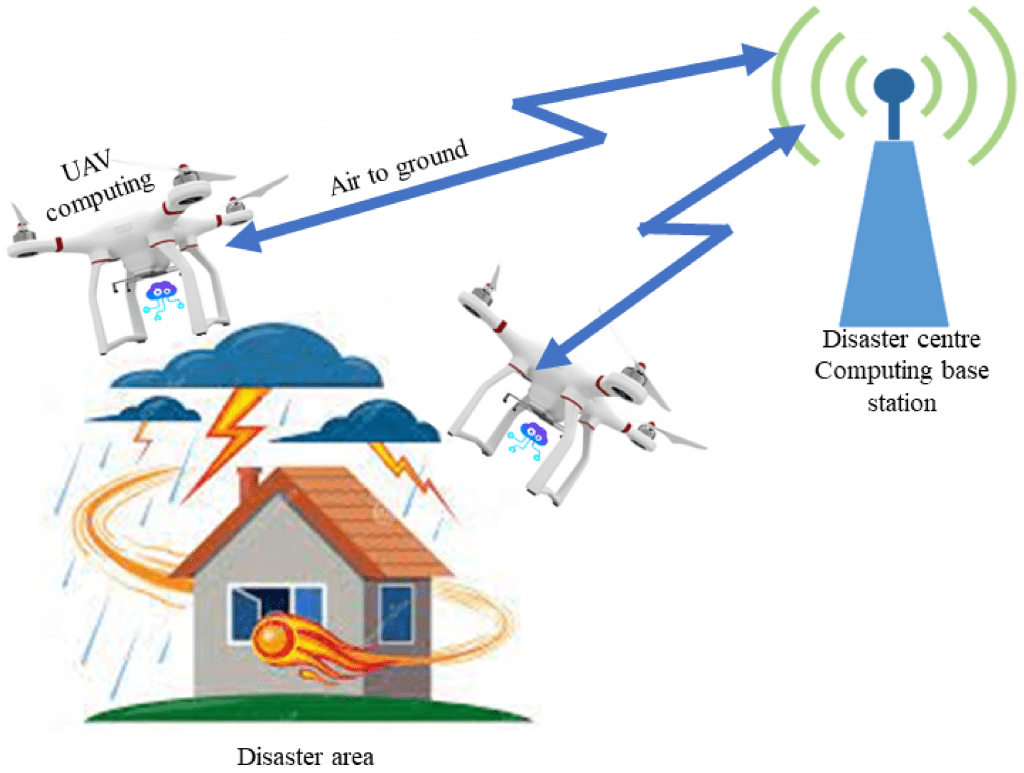
Drones have emerged as critical tools in the aftermath of disasters. They can quickly survey vast areas to assess damage and identify paths that are safe for rescuers or essential for delivering aid. Similarly, robots are increasingly used in environments too hazardous for human responders, such as collapsed buildings or areas with potential chemical spills. These robots can navigate debris, relay visual data, and even detect heat signatures of survivors trapped under rubble.
Role of Social Media
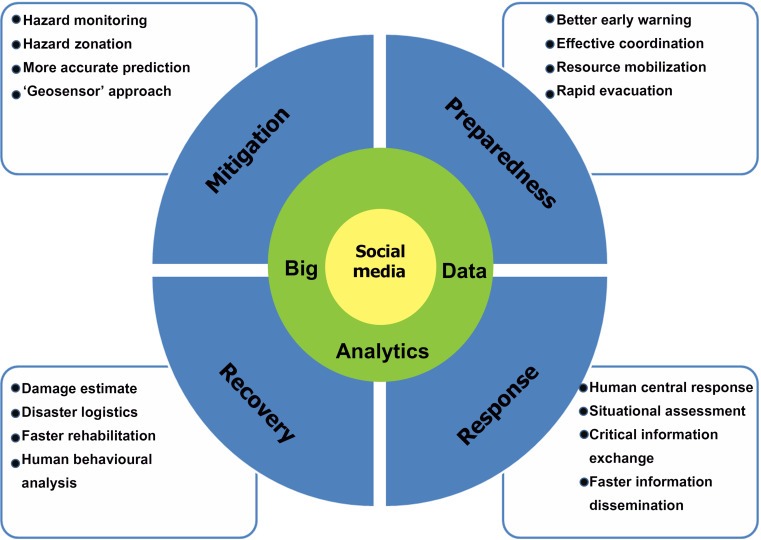
Social media platforms have also become crucial in disaster response. They not only facilitate rapid information dissemination but also help in mobilizing resources and gathering crowd-sourced data. Additionally, platforms like Twitter and Facebook enabled victims to communicate their needs and status, assisting responders in prioritizing areas in dire need.
These advancements, supported by robust training and strategic deployment, hold the promise of transforming disaster response into a more proactive and predictive field, ready to tackle the challenges posed by an increasingly unstable natural environment.
Final Word
Disasters typically occur in well-defined areas, even when the community is unaware of the disaster’s coping mechanism. In disaster mitigation, there should be a greater emphasis on the development of new technologies. The only effective way to mitigate the impact of future disasters is through disaster preparedness and awareness.
As a result, without science and technology, as well as their integration with other disciplines, there can be no world free of natural disasters. We already know a lot about natural disasters and how to avoid or mitigate many of their effects thanks to science and technology. We have the ability to significantly reduce disasters. Now is the time to implement the International Disaster Reduction Strategy.
If you are interested in elevating your businesses using technology, connect with our industry experts at Aeologic Technologies.
Must Read: 10 Ways to Use Artificial Intelligence to Improve Business Processes
FAQs
Q1. How does technology help in disaster management?
Technology plays a crucial role in disaster management by enabling early warning systems, real-time monitoring, and faster response coordination. Tools like satellite imagery, GIS mapping, mobile communication, and data analytics help authorities predict disasters, track their impact, and efficiently manage rescue and relief operations, ultimately reducing loss of life and property.
Q2. What role does AI play in disaster response?
Artificial Intelligence (AI) enhances disaster response by analyzing large datasets to predict disasters, identify risk zones, and optimize emergency planning. AI-powered systems can forecast floods, earthquakes, and cyclones, while also helping emergency teams make faster decisions through real-time insights and automated alerts.
Q3. How are drones used in disaster management?
Drones are widely used in disaster management for aerial surveillance, damage assessment, and search and rescue operations. They can quickly access hard-to-reach or dangerous areas, capture real-time images, deliver medical supplies, and help responders locate survivors more efficiently.
Q4. What is IoT in disaster early warning?
The Internet of Things (IoT) in disaster early warning refers to a network of connected sensors that monitor environmental conditions such as water levels, temperature, and seismic activity. These sensors provide real-time data, enabling authorities to issue timely alerts for disasters like floods, landslides, and storms.
Q5. How does India use technology for disaster management?
India uses advanced technologies through initiatives led by the National Disaster Management Authority. These include AI-based early warning systems, satellite monitoring, flood forecasting tools, and mobile alert systems. Such technologies have significantly improved disaster preparedness, especially in managing cyclones and floods, reducing casualties and enhancing response efficiency.
Related Blogs:
- How AI/ML Can Change the Public Transportation Industry
- Transforming Business With Digital Technology in the Oil Palm Industry in India
- Importance of Digital Asset Management in the Retail Industry
- How AI is Transforming the Agriculture Industry
- 10 Ways to Use Artificial Intelligence to Improve Business Processes
- The Future of IoT Technology in Convenience Stores
- Building Manufacturing Resilience Through AI and ML

I’m Deepika Pandey, an SEO strategist and content writer with 6+ years of experience. I create SEO-friendly content that drives traffic and engages readers. I combine data insights with creativity to help businesses grow their online presence effectively.