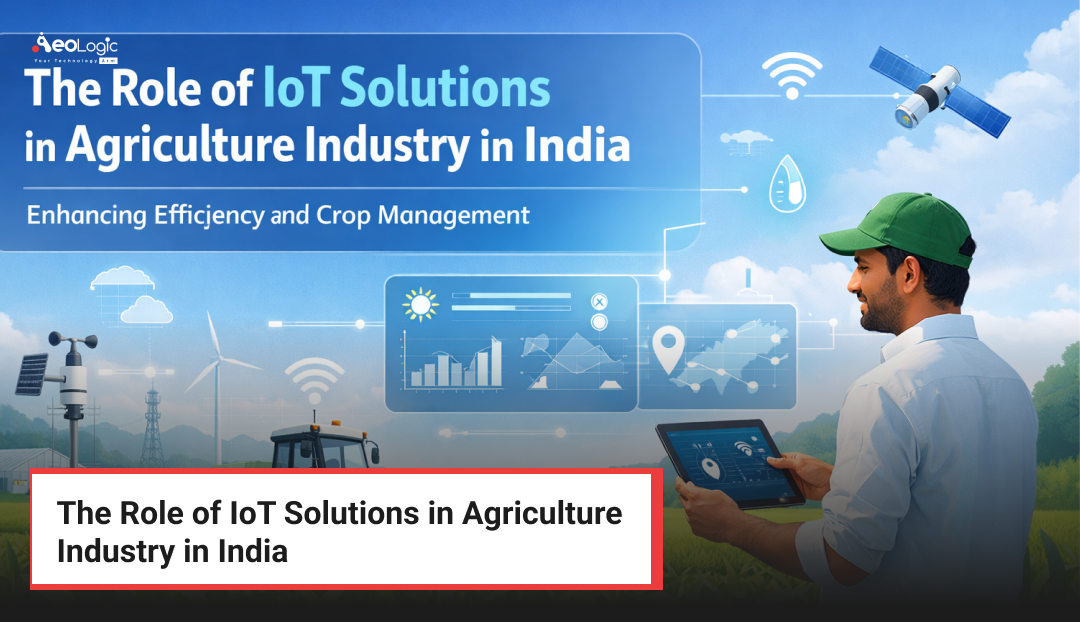
The agricultural sector in India is undergoing a significant transformation driven by digital technologies, data intelligence, and automation. Among these innovations, IoT in Agriculture India is emerging as a game-changing force that is reshaping how farming operations are managed, monitored, and optimized. With increasing pressure to improve crop yield, manage resources efficiently, and address climate challenges, the adoption of IoT-based solutions is becoming essential for farmers, agribusinesses, and policymakers alike.
India’s vast agricultural landscape, combined with its diverse climatic conditions, creates both opportunities and complexities. Traditional farming methods, while deeply rooted, often lack the precision and efficiency required in modern agriculture. IoT bridges this gap by enabling real-time data collection, smart decision-making, and automation of farming activities. As a result, it is not just improving productivity but also ensuring sustainability and profitability across the agricultural ecosystem.
What is IoT in Agriculture India?
IoT in Agriculture India refers to the integration of Internet of Things technologies such as sensors, connected devices, and data analytics into agricultural practices. These technologies collect real-time data from fields, crops, soil, weather conditions, and farming equipment, enabling farmers and agribusinesses to make informed decisions.
In simple terms, IoT transforms traditional farming into smart farming by connecting physical assets to digital systems. Devices such as soil moisture sensors, weather stations, GPS-enabled tractors, and irrigation controllers communicate with centralized platforms, providing actionable insights. This interconnected ecosystem allows for precise monitoring and control of farming operations, reducing dependency on manual processes.
The concept extends beyond farms to include supply chain management, storage, and distribution. By integrating IoT across the agricultural value chain, stakeholders can ensure better quality control, traceability, and efficiency.
Why IoT-based Agriculture in India Matters
The importance of IoT in Agriculture India lies in its ability to address critical challenges faced by the sector. Agriculture in India contributes significantly to the economy and employs a large portion of the population. However, issues such as unpredictable weather, water scarcity, low productivity, and post-harvest losses continue to hinder growth.
IoT-based solutions provide a data-driven approach to tackling these challenges. By enabling real-time monitoring of environmental conditions, farmers can take proactive measures to protect crops and optimize resource usage. This leads to higher yields, reduced waste, and improved profitability.
Furthermore, IoT supports sustainable farming practices by minimizing the use of water, fertilizers, and pesticides. It also enhances supply chain transparency, ensuring that produce reaches consumers efficiently and with minimal loss. For enterprises and agribusinesses, IoT opens new opportunities for innovation, scalability, and competitive advantage.
 Core Components of IoT in Agriculture India
Smart Sensors and Devices
At the heart of IoT-enabled agriculture are smart sensors that collect data on soil moisture, temperature, humidity, and nutrient levels. These devices provide accurate and real-time information, enabling farmers to monitor field conditions continuously.
Connectivity and Communication Networks
Reliable connectivity is essential for transmitting data from sensors to centralized systems. Technologies such as cellular networks, LoRaWAN, and satellite communication ensure seamless data flow even in remote rural areas.
Data Analytics and Decision Support Systems
IoT generates vast amounts of data that need to be analyzed to derive meaningful insights. Advanced analytics platforms process this data and provide recommendations for irrigation, fertilization, and pest control.
Automation and Control Systems
Automation is a key aspect of IoT in agriculture. Systems such as automated irrigation and climate control reduce manual intervention and ensure optimal resource utilization.
Step-by-Step Implementation Strategy
Step 1: Assess Agricultural Needs and Challenges
The first step involves understanding the specific requirements of the farm or agribusiness. This includes identifying challenges related to soil health, water management, crop yield, and operational efficiency. A clear assessment helps in selecting the right IoT solutions.
Step 2: Select Appropriate IoT Technologies
Choosing the right combination of sensors, devices, and platforms is crucial for implementing IoT in Agriculture India effectively. The selection should be based on factors such as crop type, geographical conditions, and budget constraints.
Step 3: Establish Connectivity Infrastructure
Ensuring reliable connectivity is essential for the success of IoT implementation. Farmers and organizations must invest in suitable communication networks to enable seamless data transmission.
Step 4: Integrate Data Platforms
Data collected from sensors should be integrated into centralized platforms for analysis and visualization. This enables stakeholders to access real-time insights and make informed decisions.
Step 5: Implement Automation Systems
Automation tools such as smart irrigation systems and climate control mechanisms should be deployed to optimize resource usage and reduce manual effort.
Step 6: Monitor, Analyze, and Optimize
Continuous monitoring and analysis are essential to improve system performance. Regular evaluation helps in identifying areas for improvement and ensuring long-term success.
Key Benefits and Advantages of IoT in Agriculture India
IoT is bringing transformative benefits to the agricultural sector in India by enhancing productivity, efficiency, and sustainability. One of the most significant advantages is improved crop yield, as farmers can make data-driven decisions based on real-time insights. This reduces uncertainties and increases overall output.
Another major benefit is resource optimization. IoT systems enable precise use of water, fertilizers, and pesticides, minimizing waste and reducing costs. This not only improves profitability but also supports environmentally sustainable practices.
IoT also enhances risk management by providing early warnings about adverse weather conditions, pest infestations, and diseases. This allows farmers to take preventive measures and minimize losses. Additionally, it improves supply chain efficiency by enabling better tracking, storage, and distribution of agricultural produce.
Real-World Use Cases and Applications
Precision Farming
Precision farming is one of the most prominent applications of IoT in agriculture. By using sensors and data analytics, farmers can monitor soil conditions and apply inputs precisely where needed. This improves efficiency and reduces waste.
Smart Irrigation Systems
IoT in Agriculture India enables IoT-enabled irrigation systems to use real-time data to determine the optimal amount of water required for crops. This ensures efficient water usage and prevents over-irrigation.
Livestock Monitoring
IoT devices are used to monitor the health and behavior of livestock. Sensors track vital parameters, enabling farmers to detect health issues early and improve animal welfare.
Supply Chain Management
IoT enhances transparency and efficiency in the agricultural supply chain. It enables real-time tracking of produce, ensuring better quality control and reducing post-harvest losses.
Technologies and Tools Driving IoT in Agriculture
The implementation of IoT in agriculture relies on a combination of advanced technologies. Sensors and actuators play a crucial role in data collection and automation. Cloud computing platforms provide the infrastructure for storing and processing large volumes of data.
Artificial intelligence and machine learning algorithms analyze data to generate predictive insights. GPS and geospatial technologies enable accurate mapping and monitoring of agricultural fields. Mobile applications and dashboards provide user-friendly interfaces for farmers and stakeholders to access information and make decisions.
Challenges in IoT in Agriculture India
Despite its potential, the adoption of IoT in agriculture faces several challenges. One of the primary issues is the lack of infrastructure in rural areas, particularly in terms of connectivity and power supply. This can limit the effectiveness of IoT solutions.
Another challenge is the cost of implementation. Small and marginal farmers may find it difficult to invest in advanced technologies. Additionally, there is a lack of awareness and technical expertise among farmers, which can hinder adoption.
Data security and privacy are also important concerns. As IoT systems collect and transmit sensitive data, ensuring its protection is critical. Addressing these challenges requires collaborative efforts from governments, technology providers, and industry stakeholders.
Best Practices for Digital and Smart Agriculture in India
To maximize the benefits of IoT in agriculture, organizations should adopt a strategic approach. Building awareness and providing training to farmers is essential for successful implementation. This ensures that users can effectively utilize the technology.
Investing in scalable and cost-effective solutions can help overcome financial barriers. Partnerships between government bodies, private companies, and research institutions can drive innovation and adoption.
Ensuring data security and implementing robust governance frameworks are also critical for IoT in Agriculture India. Continuous monitoring and optimization of IoT systems help in improving performance and achieving long-term success.
Future Trends and Evolution
The future of IoT-based Agriculture in India is highly promising as technology continues to evolve. One of the key trends is the integration of IoT with artificial intelligence, enabling predictive analytics and advanced decision-making. This will further enhance the efficiency and accuracy of farming operations.
Another trend is the adoption of drone technology for monitoring crops and spraying pesticides. Drones, combined with IoT data, provide a comprehensive view of agricultural fields and enable precise interventions.
Blockchain technology is also gaining traction in agriculture for improving supply chain transparency and traceability. As digital transformation accelerates, IoT will play a central role in creating smart, sustainable, and resilient agricultural systems in India.
Conclusion
IoT in Agriculture India is revolutionizing the agricultural landscape by enabling smarter, more efficient, and sustainable farming practices. From precision agriculture to supply chain optimization, IoT is driving innovation and transforming the way agriculture is managed in India.
As the industry continues to evolve, adopting IoT solutions will be essential for farmers, agribusinesses, and enterprises aiming to stay competitive and resilient. Organizations looking to leverage advanced IoT technologies can partner with Aeologic Technologies to build intelligent, scalable, and future-ready agricultural solutions that drive growth and sustainability.
People Also Ask (FAQs)
Q1. What is IoT in Agriculture India?
IoT-based Agriculture in India refers to the use of connected devices, sensors, and data analytics to improve farming practices. These technologies enable real-time monitoring of soil, weather, and crop conditions, allowing farmers to make informed decisions. By automating processes and optimizing resource usage, IoT enhances productivity, reduces costs, and supports sustainable agriculture. It is transforming traditional farming into a more efficient and data-driven approach.
Q2. How does IoT improve farming efficiency?
IoT improves farming efficiency by providing real-time data and insights that help farmers optimize their operations. Sensors monitor environmental conditions and provide recommendations for irrigation, fertilization, and pest control. Automation systems reduce manual effort and ensure precise resource usage. This leads to higher productivity, lower costs, and better quality produce.
Q3. What are the benefits of IoT in agriculture?
The benefits of IoT in agriculture include improved crop yield, efficient resource management, reduced operational costs, and enhanced risk management. IoT also supports sustainable farming practices by minimizing the use of water and chemicals. Additionally, it improves supply chain efficiency and ensures better quality control.
Q4. Is IoT suitable for small farmers in India?
Yes, IoT can be adapted for small farmers in India. With the availability of affordable and scalable solutions, even small-scale farmers can benefit from IoT technologies. Government initiatives and subsidies further support the adoption of smart farming practices among small and marginal farmers.
Q5. What challenges does IoT face in Indian agriculture?
Challenges include lack of infrastructure, high initial costs, limited awareness, and data security concerns. Addressing these issues requires investment in connectivity, training programs, and collaborative efforts between stakeholders.
Q6. What is the future of IoT in agriculture?
The future of IoT in agriculture is promising, with advancements in AI, drones, and blockchain technology. These innovations will further enhance efficiency, sustainability, and profitability in the agricultural sector.