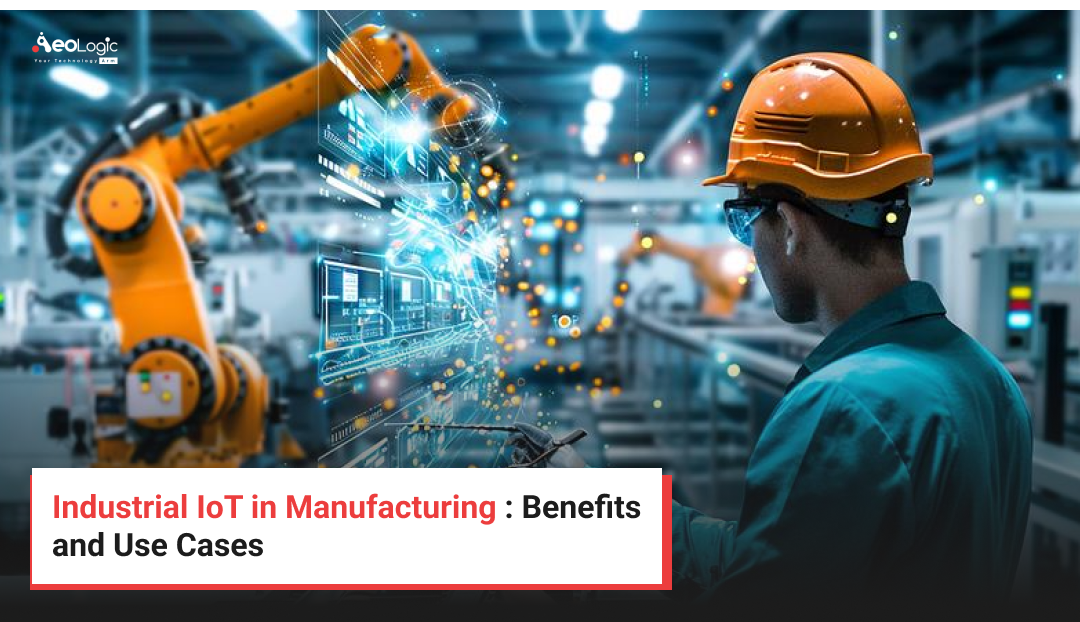
IoT in Manufacturing Industry is changing the way factories work, compete, and grow in a global economy that is always changing. Organizations can see what’s going on in real time, improve production processes, and make decisions based on data faster by linking machines, sensors, systems, and people through smart networks. In a time when speed, accuracy, and efficiency are the keys to success, Industrial IoT in Manufacturing is no longer optional for manufacturers who want to stay competitive.
The adoption of connected technologies is redefining traditional manufacturing operations, enabling advancements from predictive maintenance to intelligent supply chain management. Organizations across industries are embracing digital transformation to reduce operational costs, enhance productivity, and maintain consistent product quality.
This blog provides a comprehensive exploration of the concept, covering its significance, core components, implementation strategies, key benefits, practical use cases, and emerging trends shaping the future of modern manufacturing ecosystems.
What is Industrial IoT in Manufacturing?
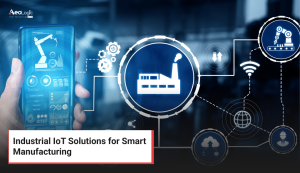
IoT in Manufacturing Industry means using connected devices, sensors, software, and data analytics in factories to make operations more efficient and productive. It involves putting smart sensors into machines and production lines so that they can talk to each other and share data in real time across systems.
With this connected ecosystem, manufacturers can keep an eye on how well their machines are working, find problems, and automate tasks with very little help from people. IIoT is different from traditional systems that work in silos because it creates a single infrastructure where data flows easily between devices and platforms. This gives you useful information that you can use to make things better all the time.
It builds smarter factories by combining hardware, connectivity, data processing, and smart decision-making at its core.
Why IoT in Manufacturing Industry Matters?
Manufacturing operations are getting more complicated, so we need smarter and more efficient solutions. Industrial IoT in Manufacturing is very important for solving these problems because it lets you monitor things in real time, automate tasks, and use predictive analytics.
Manufacturers today need to cut down on downtime, make the most of their resources, and keep the quality of their products consistent. Because of limited visibility and reactive decision-making, traditional methods often don’t work as well as they should. IIoT fills in this gap by giving us constant information about every part of production.
Another important factor is that people want more customization and faster delivery. Customers want products that are made just for them and delivered quickly. This means that manufacturing systems need to be flexible and able to change. IIoT helps with this by letting production plans change on the fly and in real time.
Also, goals for regulatory compliance and sustainability are becoming more important. Connected systems help track energy consumption, reduce waste, and ensure adherence to industry standards, making operations more environmentally and socially responsible.
Core Components of Industrial IoT in Manufacturing
Smart Sensors and Devices
Smart sensors are the building blocks of IIoT systems because they gather data about machines, equipment, and the environment in real time. These sensors measure things like temperature, pressure, vibration, and humidity, which gives us important information about how well things are working.
They are made to run all the time and send data to central systems for analysis. This information helps find problems, find inefficiencies, and make processes better throughout the manufacturing lifecycle.
Connectivity and Network Infrastructure
For devices and systems to talk to each other, they need to have reliable connectivity. Wi-Fi, Ethernet, LPWAN, and 5G are some of the technologies that industrial networks use to make sure that data can be sent without any problems.
These networks need to be safe, able to grow, and able to handle a lot of data. A strong infrastructure makes sure that information flows smoothly, which helps with real-time decision-making and automation.
Data Processing and Analytics
Data from sensors is processed and analyzed to find useful information. Advanced analytics tools use algorithms and machine learning models to find patterns, guess when something will go wrong, and make things work better.
This layer turns raw data into useful information that helps manufacturers make smart choices and run their businesses more efficiently.
Cloud and Edge Computing
Cloud computing lets businesses store and process data in one place, which makes it easier to handle large datasets and run complicated analytics. Edge computing, on the other hand, processes data closer to where it comes from, which cuts down on latency and speeds up response times.
These technologies work together to make data processing faster and resource use more efficient, which helps with real-time applications and making decisions.
Integration with Enterprise Systems
Enterprise applications like ERP, MES, and supply chain management platforms work with IIoT systems. This integration ensures that data flows seamlessly across departments, enabling end-to-end visibility and coordination.
It also supports better planning, forecasting, and resource allocation, enhancing overall business performance.
 Key Benefits of IoT in Manufacturing Industry
Industrial IoT in Manufacturing offers substantial benefits that directly influence productivity, efficiency, and profitability.
Better operational efficiency is one of the best benefits. Manufacturers can find bottlenecks and improve processes in real time, which leads to more output and less waste.
Predictive maintenance is another big benefit. Companies can find possible equipment failures before they happen by looking at sensor data. This keeps downtime and maintenance costs to a minimum.
Continuous monitoring and data analysis also improve quality control. Manufacturers can find problems early on in the production process and fix them to keep the quality of their products high.
Another big benefit is that it saves energy. IIoT systems keep track of how much energy is used and find ways to improve, which helps businesses save money and reach their sustainability goals.
Additionally, enhanced safety is achieved through real-time monitoring of workplace conditions and equipment performance. This reduces the risk of accidents and ensures compliance with safety regulations.
Industrial IoT in Manufacturing Use Cases
Predictive Maintenance
One of the most common uses of IIoT is predictive maintenance. Sensors keep an eye on equipment conditions all the time and look for strange things that could mean a failure.
This lets maintenance teams fix problems before they get worse, which cuts down on downtime and makes equipment last longer.
Smart Production Monitoring
Manufacturers can see how machines are working, how much they are making, and how efficient they are in real time.
This makes it easy to spot problems and lets managers make changes right away to improve production.
Supply Chain Optimization
IIoT makes it easier to coordinate the supply chain by giving you real-time information about inventory levels, transportation, and demand patterns.
This makes planning easier, cuts down on delays, and makes sure that products are delivered on time.
Quality Management
Connected systems keep an eye on the quality of products during the whole manufacturing process. Data analytics helps find flaws and differences, which lets manufacturers keep their quality standards high.
Energy Management
IIoT systems keep track of how much energy is used in different buildings and look for ways to make things better. This helps cut costs and supports efforts to be more environmentally friendly.
Remote Monitoring and Control
Manufacturers can keep an eye on and control operations from afar, which makes them more flexible and quick to respond. This is especially helpful for running several facilities or operations that are spread out over a large area.
Step-by-Step Implementation Strategy
Step 1: Define Business Objectives
The first thing to do is figure out what you want to achieve by using Industrial IoT in Manufacturing. This could mean making things run more smoothly, cutting costs, or making the product better.
Setting clear goals helps you stay on track and see how well the implementation is going.
Step 2: Assess Current Infrastructure
Organizations need to look at their current systems, equipment, and processes to find areas where they can improve.
This evaluation aids in identifying the prerequisites for the integration of IIoT technologies.
Step 3: Choose the Right Technology
Choosing the right sensors, connectivity solutions, and platforms is very important for a successful implementation.
The technologies you choose should support your business goals and be able to grow with your business.
Step 4: Develop a Data Strategy
To handle and analyze the huge amounts of data that IIoT systems create, you need a strong data strategy.
This includes things like collecting, storing, processing, and protecting data.
Step 5: Implement and Integrate
The next step is to set up sensors, connect devices, and make sure that systems work with the business’s current applications.
This stage needs careful planning and coordination to make sure everything goes smoothly.
Step 6: Monitor and Optimize
To get the most out of IIoT, it needs to be monitored and improved on a regular basis after it has been put into use.
Companies should look at performance data and make changes to make things work better and get better results.
Technologies and Tools Involved in Industrial IoT in Manufacturing
Industrial IoT uses a mix of cutting-edge technologies to work.
AI and machine learning make predictive analytics and automation possible. These technologies let systems learn from data and get better over time.
Big data analytics looks at large sets of data to find patterns and insights that help people make decisions.
Blockchain makes supply chain operations more secure and open.
Digital twins make virtual copies of real things, which lets you simulate and improve processes.
Robotics and automation systems work with IIoT to make manufacturing processes more efficient and accurate.
Challenges in IIoT-Enabled Manufacturing Systems
When you use Industrial IoT in Manufacturing solutions, you often have to deal with complicated integration with older systems, which can cause problems with compatibility and scalability. Companies may have trouble getting new technologies to work with their current infrastructure while keeping operations running smoothly and avoiding disruptions during the deployment phase.
Data security and privacy risks are still big problems because connected devices make people more vulnerable to cyber threats. Managing large amounts of data and making sure that rules are followed, along with a lack of skilled workers, makes it even harder to successfully adopt a system and keep it running for a long time.
Best Practices for Industrial IoT in Manufacturing
Organizations should start with a clear plan and do pilot projects to test use cases and lower risks. Investing in technologies that can grow and making sure they work well with current systems are two ways to build a strong base for long-term Industrial IoT success.
For effective implementation, it is important to put cybersecurity, employee training, and data management at the top of the list. Organizations can get the most out of their Industrial IoT investments by working with experienced technology partners and keeping an eye on how well their systems are working all the time.
Future Trends in Industrial IoT
The future of Industrial IoT in Manufacturing depends on new technologies and more businesses using it.
5G networks will make connections faster and more reliable, which will help real-time apps and big deployments.
AI will keep making automation and predictive capabilities better, making manufacturing smarter and more efficient.
Edge computing will be more important for processing data closer to where it comes from. This will lower latency and make things work better.
Sustainability will also be a big deal, and IIoT will help businesses use less energy and have less of an effect on the environment.
Conclusion
Industrial IoT in manufacturing is changing the future of industrial operations by making processes smarter and more data-driven. IIoT offers manufacturers in all fields game-changing benefits, such as making things more efficient, lowering costs, and improving quality and sustainability.
As more and more businesses go digital, IIoT is no longer just a choice; it’s a strategic need. Companies that want to stay competitive need to spend money on the right technologies, strategies, and partnerships to get the most out of connected manufacturing.
If you are planning to implement advanced IIoT solutions, partnering with experts like Aeologic Technologies can help you design, deploy, and scale intelligent manufacturing systems tailored to your business needs.
People Also Ask (FAQs)
Q1. What is Industrial IoT in Manufacturing and how does it work?
IoT in Manufacturing Industry is when connected devices, sensors, and systems are used to gather and analyze data in real time in factories and other industrial settings. It works by putting sensors in machines and equipment that keep an eye on how well they work and send data to central platforms. Then, analytics tools process this information to find ways to make things run more smoothly, cut down on downtime, and make production processes work better.
Q2. What are the main benefits of IIoT in manufacturing?
Better decision-making, lower costs, better quality control, better predictive maintenance, and better operational efficiency are some of the main benefits. IIoT systems give manufacturers real-time visibility into their operations, which helps them find problems quickly and fix them. They also make it possible to use automation and data-driven strategies that make businesses more productive and competitive.
Q3. How is IIoT different from traditional automation?
IIoT connects devices and systems to make a single network, while traditional automation works in separate systems and focuses on predefined processes. This connection makes it possible to share data in real time, do advanced analytics, and make smart decisions. IIoT does more than just automate things; it also gives you information and the ability to change things, which makes manufacturing processes more flexible and efficient.
Q4. What industries benefit the most from IIoT?
IIoT is very helpful for industries like automotive, pharmaceuticals, food and drink, electronics, and heavy machinery. These fields depend on accuracy, speed, and quality, which can be improved by using connected technologies. IIoT helps these industries improve their production processes, make sure they follow the rules, and make their supply chain operations as efficient as possible.
Q5. What are the challenges of implementing IIoT?
Some of the problems are the high initial cost, the difficulty of integrating the system, concerns about data security, and the need for skilled workers. To get past these problems, businesses need to carefully plan how they will implement new technologies and training.
Q6. Is IIoT suitable for small and medium manufacturers?
Yes, IIoT can be made bigger or smaller to fit the needs of small and medium-sized manufacturers. Cloud-based solutions and cheap sensors make it possible for smaller businesses to use IIoT without having to pay a lot of money up front. These solutions help improve efficiency, reduce operational costs, and enhance competitiveness in the market.

With a strong foundation in software and a growing expertise in AI, I specialize in building smart, scalable solutions that drive digital transformation