
Logistics Sector
A part of supply chain management that prepares, implements, and regulates the efficient, effective forward, and reverse flow and storage of goods, services from origin to destination.
Logistic IT Solutions
As an expert in the field, Logistic IT Solutions offers simple and effective tech tools to help businesses run smoother. Being a top Logistic Solutions Company, we focus on giving our clients the best tools to handle their shipping and storage needs. Working with us means getting the right help to make your business grow and succeed.
Transport Management Solution(TMS)
Transport management solutions consist of various aspects like covering shipment order management, planning, execution, documentation & billing( Hub Management). Our solutions are designed to work across your multi-modal transport network & manage all your key processes. This covers shipment order management, planning the order based on VSRC (Vehicle, Schedule, Routes, and Constraints), load planning, load consolidation, carrier selection, execution, documentation, and billing.
Warehouse Management System(WMS)
Warehouse management system will be your choice of mode for the basic receipt-GR- Put Away-Pick-Pack-Dispatch functions to advanced automation needs. This consists of flexible Value-added Service, lot management, serial number tracking, etc. It uses sophisticated fulfillment logic for wave management, constraint-based selection, real-time replenishment and eliminates costly counts with auditor-approved counting functionality.
Fleet & Asset Management
Fleet and asset management are used for end-to-end in-house fleet management to increase the availability of fleet and decrease your total cost of operation(TCO). Customers can set the complete bills of materials for a given asset, identify the composition of the maintenance force, generate maintenance plans, and all other activities related to asset management.
Hub Management
Hub management is very important because it gives support to the in-transit Hubs and keeps a track of all its activities. The goods arriving in a transit hub can be deconsolidated, segregated and then consolidated back again to be shipped out. Hub audits have a crucial role in ensuring the quality of the hub thereby eliminating any discord between actual inventory and the quantity recorded in the system. Hub management gives complete visibility of all types of movements from all the hubs across the network of a logistics service provider.
Latest Insights
Stay updated with our thoughts on technology, industry trends, and innovation.
Blog
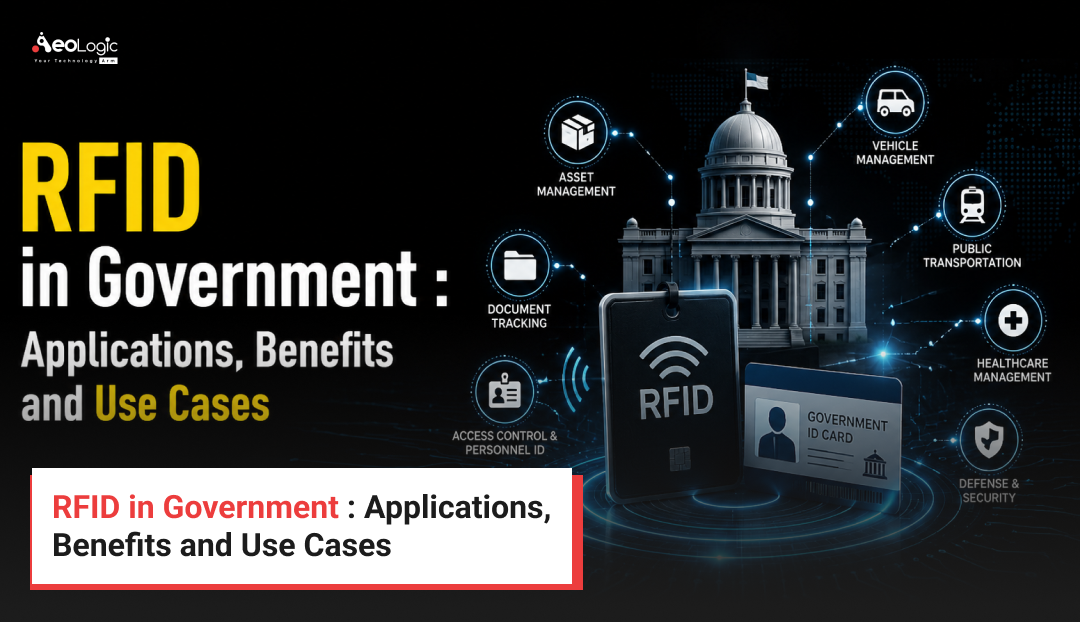
RFID in Government : Applications, Benefits and Use Cases
June 22, 2026
The use of advanced technology is increasingly becoming essential in the effort of governments around the world to becom...
Read More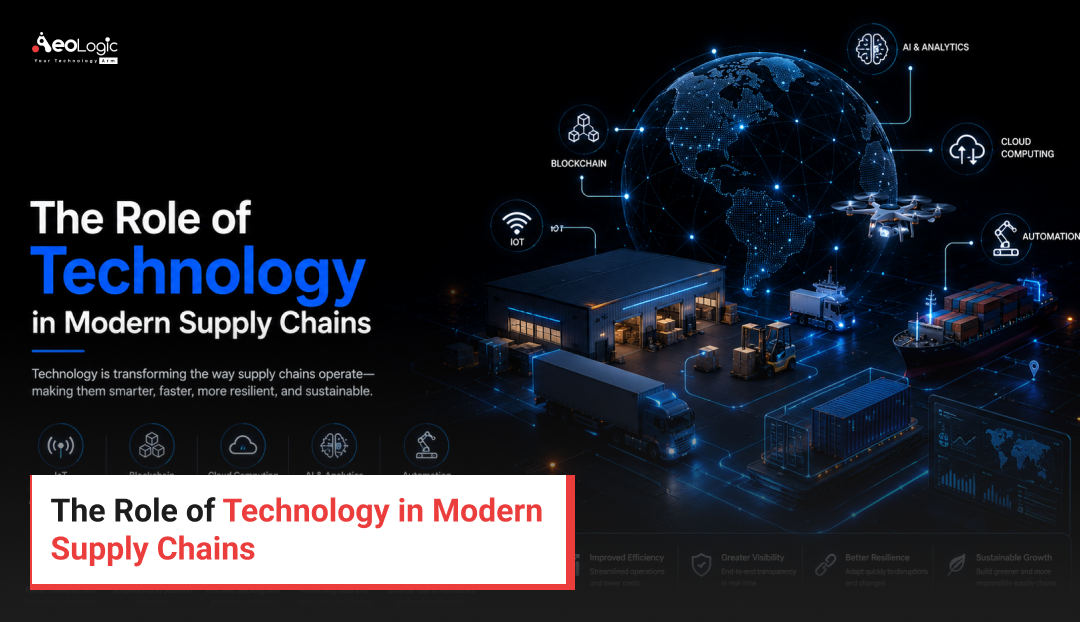
Blog
The Role of technology in modern Supply Chains
June 19, 2026
Today, supply chains are no longer just logistics and transportation assets, but are part of a highly competitive and in...
Read More
Blog
Top AI Automation Agencies helping Indian Businesses Scale
June 17, 2026
In today’s fast-changing digital world, companies are constantly striving to boost efficiency and reduce operation...
Read More
Blog
How AI Agents will revolutionize ERP Business Operations
June 16, 2026
Enterprise Resource Planning (ERP) systems have been a vital part of modern businesses for years. They help organization...
Read MoreFrequently Asked Questions (FAQs)
The logistics sector covers the planning, execution, and management of goods movement, including transportation, warehousing, supply chain coordination, and distribution services.
The logistics sector ensures timely delivery, reduces supply chain costs, improves customer satisfaction, and plays a crucial role in global trade and e-commerce growth.
Key challenges include rising fuel costs, supply chain disruptions, labor shortages, and the need for digital transformation to handle global logistics demands efficiently.
Technologies like AI, IoT, robotics, blockchain, and automation optimize logistics operations, enabling real-time tracking, predictive analytics, and sustainable supply chain management.
The future of logistics will focus on green supply chains, autonomous vehicles, drone deliveries, and AI-powered platforms to enhance speed, efficiency, and sustainability.
Get In Touch
Let's discuss how we can help you achieve your goals. We're here to listen.
Send Us a Message
Direct Assistance & Quick Info
Contact Directly
support@aeologic.com +91-120-3200058 +91-120-3200059 +1 917-382-5712 (USA)Mon - Fri, 9:00 AM - 6:00 PM (IST)
Looking for Quick Answers?
Our Office
Plot no. C-28 & 29, C Block, Phase 2, Industrial Area,
Sector 62, Noida, Uttar Pradesh-201309
Sales Offices
United States
Jacksonville
3897 Eunice Road, Jacksonville, Florida
32250
United Kingdom
London
37 Millharbour, South Quay, London E14 9HB
South Africa
Parktown North
Johannesburg 2193